

A Guide to the Manifold Absolute Pressure (MAP) Sensor for the 2009-2016 Hyundai Genesis
Understand the signs of a failing MAP sensor and learn how to choose the right aftermarket replacement for your Genesis.
- A failing MAP sensor commonly causes a P0106 check engine code, rough idle, and poor fuel economy.
- Replacement is very easy and accessible for DIY repair, located on top of the intake manifold with one bolt.
- Before replacing, check for simpler issues like vacuum leaks or a dirty throttle body that can mimic MAP sensor failure.
- Quality aftermarket brands like Delphi, NGK, and Standard Ignition are reliable alternatives to more expensive OEM parts.
Is Your Genesis MAP Sensor Failing?
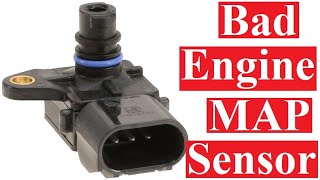
A faulty Manifold Absolute Pressure (MAP) sensor can cause noticeable engine problems. Because the sensor provides incorrect data to the engine's computer, the air-fuel mixture becomes unbalanced, leading to poor performance. Many of these symptoms can be mistaken for other issues, so it's important to properly diagnose the problem.
Common Symptoms of a Bad MAP Sensor:
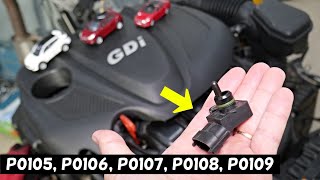
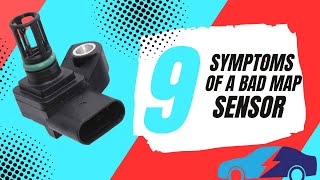
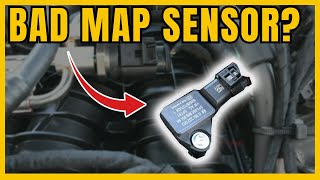
🎬 Watch: 9 common symptoms of a failing MAP sensor- Check Engine Light: This is often the first sign. The most common trouble code associated with a failing MAP sensor is P0106, which indicates a problem with the sensor's performance or range. 🎬 See how to diagnose P0106 and other MAP sensor codes
- Rough Idle: The engine may shake or idle unevenly because the computer can't maintain a stable air-fuel ratio at rest.
- Poor Acceleration and Power Loss: Your Genesis might feel sluggish, hesitate, or lack power when you press the gas pedal.
- Bad Fuel Economy: If the sensor incorrectly tells the computer the engine is under a heavy load, the computer will inject more fuel than necessary, wasting gas.
- Black Smoke from Exhaust: This is a sign of a rich fuel mixture (too much fuel, not enough air), which can be caused by a bad MAP sensor reading.
Choosing the Right Aftermarket MAP Sensor
When replacing the MAP sensor on your 2009-2016 Genesis, you have several aftermarket options. Unlike some parts where OEM is the only reliable choice, quality aftermarket MAP sensors perform well in these vehicles. They can be grouped into different quality tiers.
Premium Brands ($70 - $300)
These brands are known for manufacturing parts that meet or exceed original equipment (OE) specifications. They are a solid choice for reliability and peace of mind.
- Delphi: A well-respected OE manufacturer for many car brands. Their sensors are tested to OE standards.
- NGK/NTK: Widely known for spark plugs, their sensor line (NTK) is also regarded as high-quality.
- Standard Ignition (SMP): A long-standing brand in the aftermarket that produces reliable, direct-fit sensors.
Standard & Value Brands ($20 - $70)
These brands offer a cost-effective solution for a daily driver. While they may not have the same OE-supplier reputation as the premium brands, they are designed to be direct-fit replacements and offer good value.
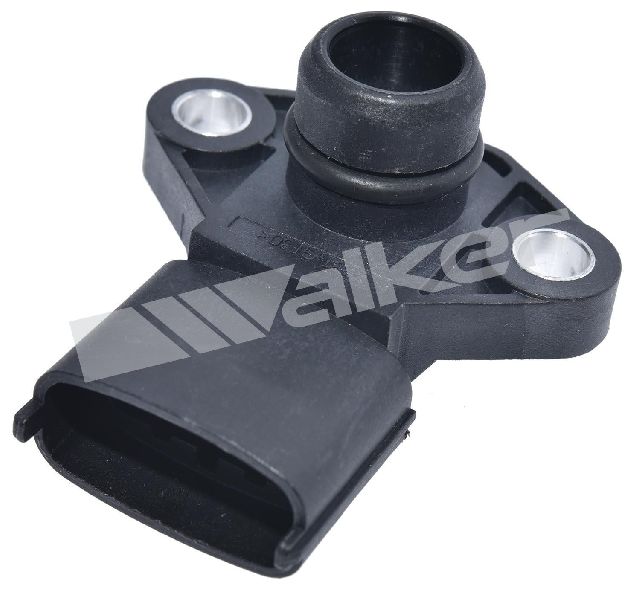
- Walker Products
- Facet
- Vemo
- Global Parts / GPD
- Skyward
- True Tech
- Holstein
Cost of Replacing a Hyundai Genesis MAP Sensor
The replacement cost is very reasonable, especially if you do it yourself. The part is easy to access and requires only basic tools.
| Part Type | Estimated Cost |
|---|---|
| New OEM | $140 - $200 |
| New Aftermarket | $21 - $301 |
| Shop Labor | $50 - $100 |
Frequently Asked Questions
Where is the MAP sensor located on my 2009-2016 Genesis?
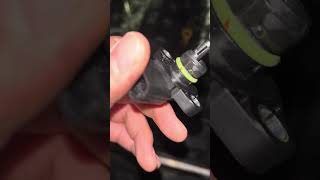
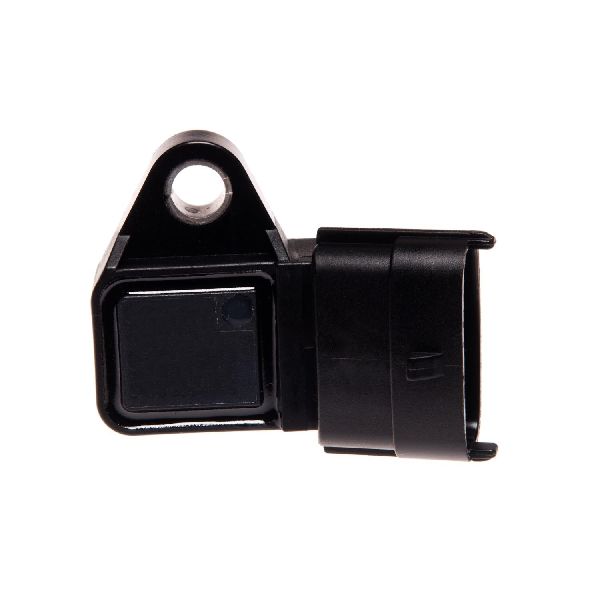
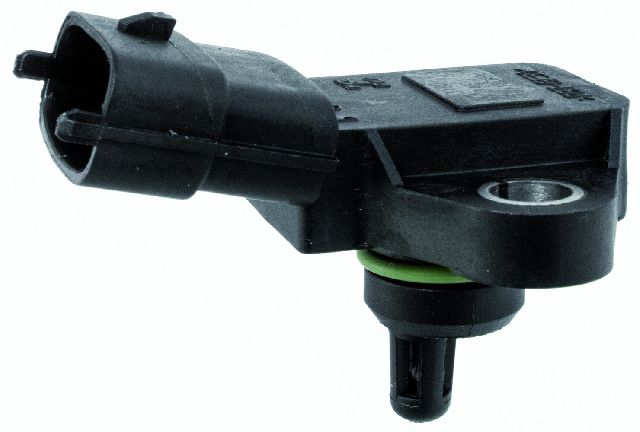
The MAP sensor is located directly on top of the intake manifold. It is a small black plastic sensor held in place by a single 10mm bolt and has an electrical connector attached.
Can I clean my MAP sensor instead of replacing it?
It is generally not recommended to clean a MAP sensor. They are sensitive electronic components. Using chemical cleaners or compressed air can easily damage the internal diaphragm or electronics. Replacement is the safest and most reliable repair.
Is this a difficult part to replace myself?
No, this is one of the easiest sensors to replace. The job typically takes less than 15 minutes and only requires a 10mm socket or wrench to remove one bolt. After unbolting, you simply disconnect the electrical plug, swap the sensor, and reconnect everything.
🎬 Watch this quick walkthrough of a 3.8L MAP sensor installationDo I need to reset the computer after installing a new MAP sensor?
It is good practice to disconnect the negative battery terminal before starting the repair. This not only ensures safety but also resets the engine computer. After the new sensor is installed and the battery is reconnected, the computer will relearn its parameters and the check engine light should turn off.
Helpful Videos


Technical Specifications
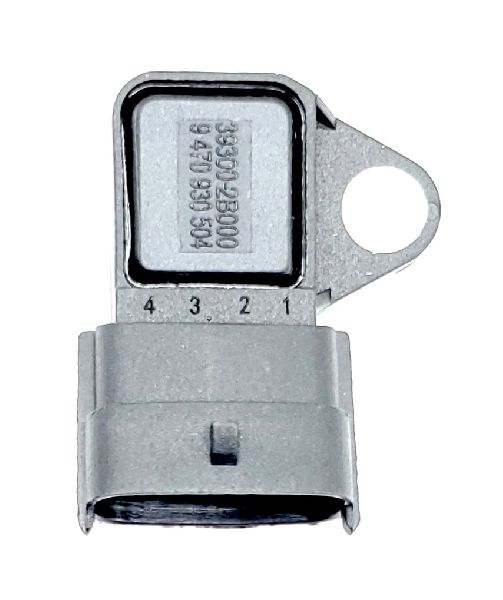
OEM Part Numbers: 39300-2B000 39300-38200 39300-3C500
The MAP sensor for the Hyundai Genesis is a solid-state electronic sensor that measures pressure via a piezo-electric element. It is mounted directly to the intake manifold and secured with a single bolt.
We Have This Part in Stock


The information in this article is provided for general reference and educational purposes only. Vehicle specifications, procedures, and part compatibility can vary by production date, trim level, and region. Always consult your vehicle's factory service manual and verify part numbers before purchasing or performing repairs. Safety-critical components such as airbags, seat belts, and braking systems should be installed by a qualified professional.
- Hyundai Genesis:
- 🎬 Helpful Videos
- 🛍️ Shop This Part
- Is Your Genesis MAP Sensor Failing?
- Common Symptoms of a Bad MAP Sensor:
- Choosing the Right Aftermarket MAP Sensor
- Premium Brands ($70 - $300)
- Standard & Value Brands ($20 - $70)
- Cost of Replacing a Hyundai Genesis MAP Sensor
- Frequently Asked Questions
- 🎟️ Get 5% Off