

A Guide to Replacing Spark Plugs on Your 2009-2016 Hyundai Genesis
Keep your Genesis V6 or V8 running smoothly with the right new aftermarket spark plugs.
- The replacement job is much harder on the 3.8L V6 than the V8s due to intake manifold removal.
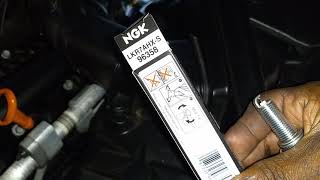
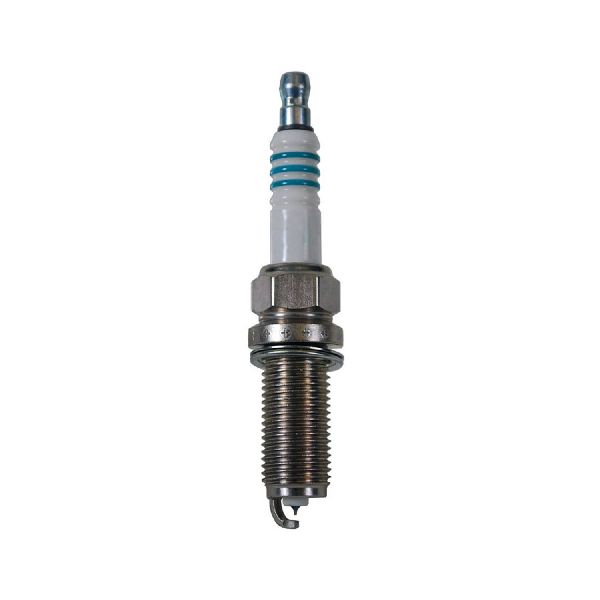
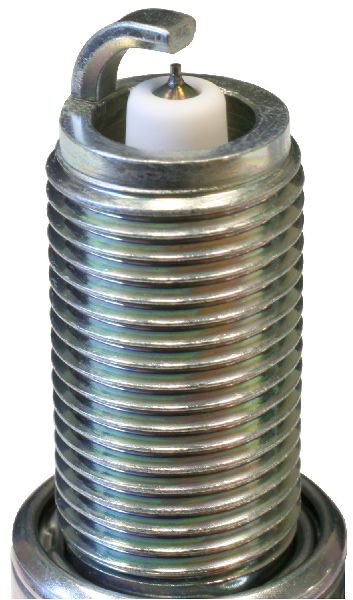
- Stick with OEM-quality iridium spark plugs from brands like NGK or Denso for best performance and longevity.
- The recommended replacement interval is around 100,000 miles, but symptoms like a rough idle or misfires mean you should check them sooner.
- No spark-plug-specific recalls have been issued for this vehicle; known fire-risk recalls are for other issues.
Signs of Failing Spark Plugs in Your Genesis

When spark plugs wear out, your car will give you clues. These signs often start small and get worse over time. Ignoring them can lead to poor performance, worse fuel economy, and potentially damage other parts like the catalytic converter.
- Rough Idle: The engine may shake or vibrate more than usual when you're stopped at a light.
- Trouble Starting: The engine may take longer to crank and start, especially on cold mornings.
- Engine Misfires: You might feel a hesitation or stumble from the engine during acceleration. This can trigger the Check Engine Light.
- Poor Acceleration: The car may feel sluggish or less responsive when you press the gas pedal.
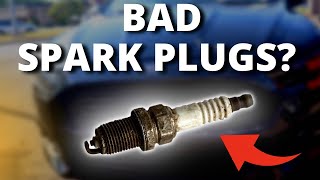
- Worse Fuel Economy: You may notice you're filling up the gas tank more often than you used to. A weak spark leads to incomplete fuel combustion. 🎬 Watch: A visual guide to symptoms of bad spark plugs
Choosing the Right Aftermarket Spark Plugs

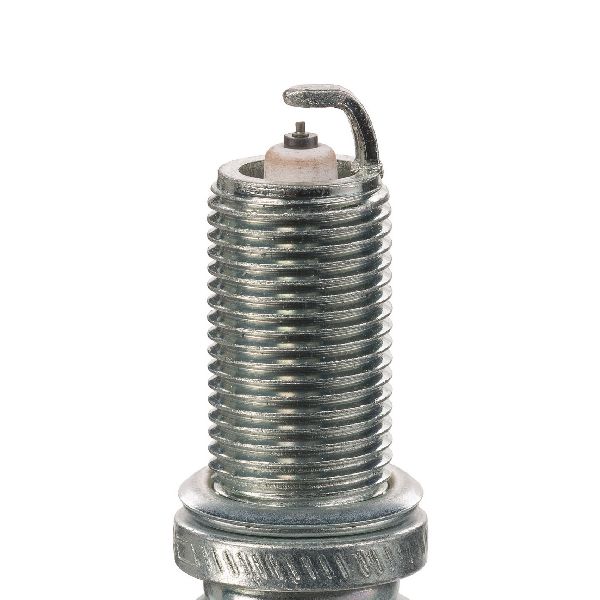
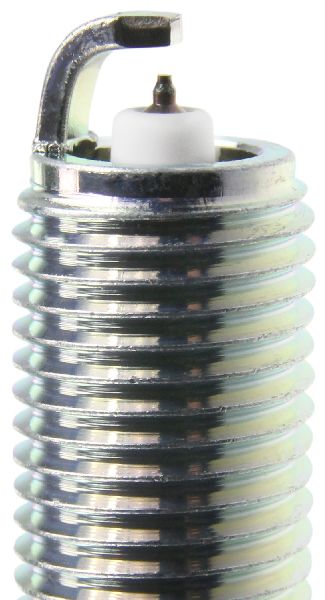
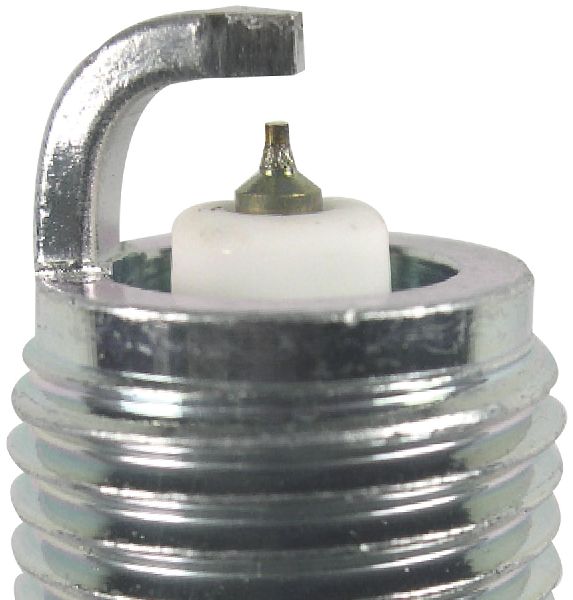
For the 2009-2016 Genesis, the original factory plugs are typically long-life iridium spark plugs made by NGK or Denso. When choosing aftermarket replacements, it's best to stick with these brands or other high-quality alternatives. Cheaper copper plugs will not last as long and are not recommended for this vehicle.
Aftermarket Brand Quality Tiers
| Tier | Brands | Typical Material | Notes |
|---|---|---|---|
| Top Tier (OEM Quality) | NGK, Denso | Iridium, Ruthenium | These are often the original equipment manufacturers. They provide excellent performance and a long service life, typically around 100,000 miles. Highly recommended for all Genesis engines. |
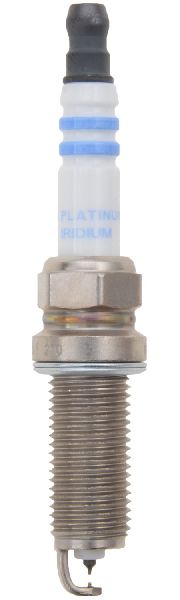
| Quality Aftermarket | Bosch | Double Iridium, Platinum | Bosch offers high-quality plugs that are a reliable alternative to NGK and Denso. Their double iridium plugs are designed for long life and consistent performance. |
| Standard Aftermarket | Autolite, Champion | Iridium, Platinum | These brands offer more budget-friendly options. While they produce iridium and platinum plugs that will work, they are less commonly cited by Genesis owners compared to NGK, Denso, and Bosch. |
Known Issues, Recalls, or TSBs
As of early 2026, there are no specific recalls or Technical Service Bulletins (TSBs) from Hyundai or the NHTSA that relate directly to the spark plugs on the 2009-2016 Hyundai Genesis models. While there have been other recalls for this vehicle generation, none target the spark plugs or ignition coils.
Installation Tips for Hyundai Genesis

Replacing the spark plugs on a Genesis is a manageable DIY job, but the difficulty varies greatly between the V6 and V8 engines.
Pro Tip: Modern iridium plugs from brands like NGK and Bosch come pre-gapped. Do not try to adjust the gap, as you can easily damage the fine iridium tip. Also, these plugs often have a special plating that doesn't require anti-seize compound.
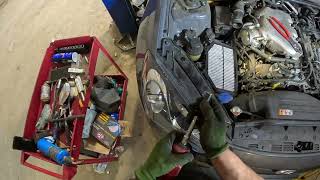
- For 4.6L & 5.0L V8 Engines: This is the more straightforward job. All eight plugs are accessible after removing the engine cover. The rearmost cylinders can be tight to work on, and you may need a swivel socket and extensions. The oil dipstick tube on the passenger side may also need to be carefully worked around. 🎬 See how to access the rear V8 spark plugs and coils
- For 3.8L V6 Engines: This job is more complex. While the three plugs on the driver's side are easy to access, the three on the passenger side are located underneath the upper intake manifold. To access them, the intake manifold must be unbolted and lifted or completely removed. This requires disconnecting hoses and sensors and also means you should replace the intake manifold gaskets at the same time. 🎬 Watch: Step-by-step 3.8L V6 spark plug replacement tutorial
Frequently Asked Questions (FAQ)

How often should I replace the spark plugs on my Genesis?
The recommended replacement interval for the original equipment iridium spark plugs is typically every 97,500 to 100,000 miles. However, if you experience any failure symptoms like rough idling or misfiring, you should inspect them sooner.
Is there a difference in spark plugs between the 3.8L, 4.6L, and 5.0L engines?
Yes, different engines may require different spark plugs with specific heat ranges and gap settings. Always verify the correct part number for your exact year and engine (V6 or V8) before purchasing. Using the wrong plug can cause poor performance or engine damage.
What happens if I use cheap spark plugs?
Using basic copper plugs or low-quality plugs can lead to a much shorter service life, poor fuel economy, and rough engine performance. The Genesis engines were designed for long-life iridium or platinum plugs, and using the correct type is important for maintaining performance and reliability.
Can I really do this myself?
If you have a V8 model and basic mechanic's tools, the job is very DIY-friendly. If you have the 3.8L V6, the job is more advanced due to the need to remove the intake manifold. If you are not comfortable with that level of work, it is best to have a professional mechanic perform the service.
Helpful Videos

Technical Specifications
OEM Part Numbers: 18851-11070 18846-11070
Material: Iridium or Platinum are recommended. The factory replacement interval is approximately 97,500-100,000 miles. Spark plug gap and heat range are specific to the engine (3.8L V6, 4.6L V8, 5.0L V8).
We Have This Part in Stock

The information in this article is provided for general reference and educational purposes only. Vehicle specifications, procedures, and part compatibility can vary by production date, trim level, and region. Always consult your vehicle's factory service manual and verify part numbers before purchasing or performing repairs. Safety-critical components such as airbags, seat belts, and braking systems should be installed by a qualified professional.
- Hyundai Genesis: