

A Guide to Replacing Direct Ignition Coils on the 2009-2016 Lincoln MKS
Fix engine misfires and rough idling by understanding the specific ignition coil needs of your Lincoln MKS.
- The rear three coils are difficult to access; always replace them and all six spark plugs at the same time to save on future labor costs.
- A persistent misfire on the same cylinder after replacing the coil and plug likely indicates a damaged engine computer (PCM).
- For best reliability, choose OEM (Motorcraft) or premium OEM-equivalent aftermarket brands like Denso.
- A flashing check engine light is a critical warning to stop driving to avoid expensive catalytic converter damage.
Is Your Lincoln MKS Running Rough? It Could Be an Ignition Coil

A bad ignition coil is a common reason for engine problems in the Lincoln MKS. Because each cylinder relies on its own coil, the failure of just one can make your luxury sedan run poorly. The symptoms are usually obvious and should be fixed quickly. Driving with a misfiring engine can allow unburned fuel to get into the exhaust, which can damage the expensive catalytic converters.
A Critical Warning for All 3.7L and 3.5L EcoBoost Owners
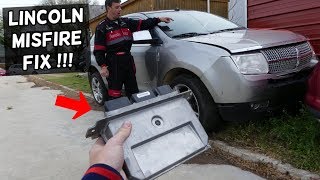
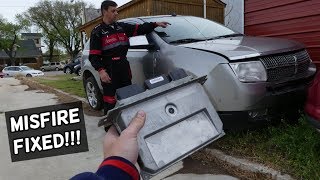
On these engines, a failing ignition coil can short out and send a voltage spike back to the Powertrain Control Module (PCM), which is the engine's computer. This can burn out the coil driver inside the PCM. If you replace a bad coil and spark plug, but the misfire stays on the exact same cylinder, your PCM is likely damaged. 🎬 Watch this video to see how a damaged PCM causes persistent misfires. This will require sending the PCM out for repair or replacing it entirely. Addressing a misfire as soon as it appears is the best way to prevent this much more expensive problem.
Symptoms of a Failing Ignition Coil

When a coil starts to fail, your car will let you know. Look for these common signs:
- Check Engine Light: This is often the first warning. A code scanner will usually show a code from P0301 to P0306 for a misfire on a specific cylinder, or P0300 for a random misfire.
- Rough Idle: Your engine may shake or vibrate when the car is stopped.
- Engine Misfires: The car may hesitate, jerk, or sputter when you accelerate. It can feel like the engine is losing power for a moment.
- Reduced Power and Fuel Economy: With one cylinder not firing correctly, your car will feel slower and use more gas.
- Flashing Check Engine Light: If the light is blinking, it means a severe misfire is happening. You should pull over and stop driving to prevent serious damage to your catalytic converter.
Choosing the Right Aftermarket Ignition Coil

When shopping for new coils, you will find OEM parts and a wide range of aftermarket brands. They generally fall into tiers based on quality and reputation.
Tier 1: OEM-Equivalent Brands
These brands are known for making parts that are equal to or, in some cases, are the original parts sold under the Motorcraft name. For the sensitive ignition system on the MKS, sticking to this tier is highly recommended for reliability.
- Denso: Denso is widely considered to be an original equipment manufacturer for Ford. Owners report that Denso coils offer the same quality and reliability as Motorcraft parts but often at a better price. This is a top choice for a direct, reliable replacement.
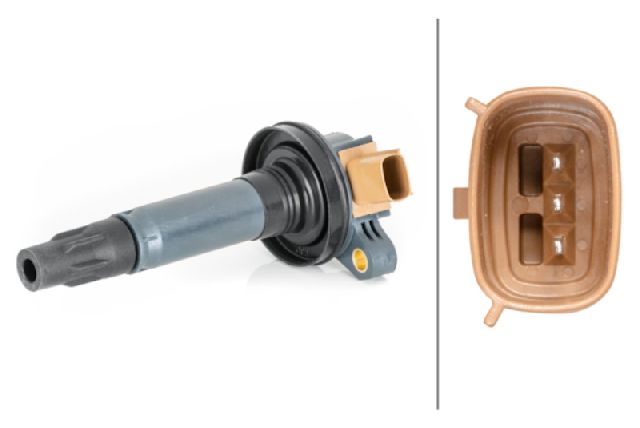
- Hella: Hella is a well-respected German brand known for making quality electronic components that meet OEM standards. They are a solid and dependable option for your MKS.
Tier 2: Performance Brands
These brands claim to offer more voltage and a stronger spark than factory coils, promising better performance. However, owner reviews are often mixed, with some reporting improvements while others experience reliability issues.
- Accel: Often bright yellow, Accel coils claim to produce 10-15% more energy for a more efficient fuel burn. Some users notice better throttle response. However, other reviews mention premature failures and quality control issues, suggesting they may not last as long as OEM-equivalent parts.
- Granatelli: This brand markets high-voltage coils for street and performance use. While some users are happy with the performance, many in enthusiast communities have reported that they are not as reliable as stock coils and are overpriced.
A Note on Replacement Strategy
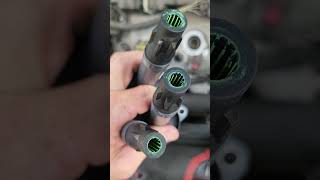
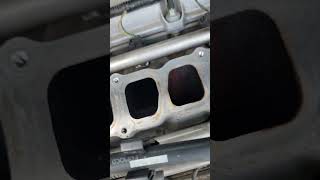
The three ignition coils at the back of the engine (Bank 1) are located under the upper intake manifold, which must be removed for access. 🎬 See a step-by-step walkthrough of the intake manifold removal process. This adds significant labor time and cost to the job. For this reason, if even one of the rear coils fails, it is strongly recommended to replace all three rear coils and all six spark plugs at the same time. This prevents you from having to pay for the same difficult labor again in the near future.
Estimated Cost to Replace Ignition Coils
The cost can vary greatly depending on who does the work and how many coils are replaced. Replacing a single, easily accessible front coil is much cheaper than replacing the rear coils.
| Part Type | Estimated Cost (Set of 6) |
|---|---|
| New OEM (Motorcraft) | $300 - $450 |
| New Aftermarket | $68.28 - $570.82 |
| Shop Labor (All 6) | $200 - $400+ |
Cost estimates are for parts and labor and can vary by location and shop. The labor cost for replacing the rear coils is significantly higher due to the need to remove the intake manifold.
Frequently Asked Questions

Should I replace all six coils at once?
It is not strictly required, but it is a good idea, especially on a higher-mileage vehicle. Coils tend to fail around the same time. Since you have to remove the coils to change the spark plugs (which should be done at the same time), replacing them all at once can save you from future headaches and repeated labor costs, especially for the difficult-to-access rear bank.
How do I know which ignition coil is bad?
An OBD-II scanner will give you a specific misfire code, like 'P0304' for cylinder 4. To confirm, you can swap the suspected bad coil with one from a cylinder that is working correctly. Clear the codes and run the engine. If the misfire code moves to the new cylinder, you have confirmed the coil is faulty.
Is this a difficult job to do myself?
The difficulty is moderate to hard. Replacing the three front coils is easy and requires basic tools. Replacing the three rear coils is much more involved because you must remove the upper intake manifold. This is doable for an experienced DIY mechanic but may be too complex for a beginner.
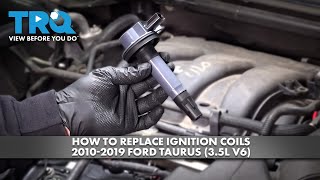
🎬 Watch a professional mechanic replace the ignition coils on this engine.Do I need to replace my spark plugs at the same time?
Yes, it is highly recommended. A worn spark plug can put extra strain on a new ignition coil, causing it to fail prematurely. Since the labor to access the plugs is the same, you should always install new, high-quality iridium spark plugs when replacing your coils.
Helpful Videos
Technical Specifications
OEM Part Numbers: DG-542
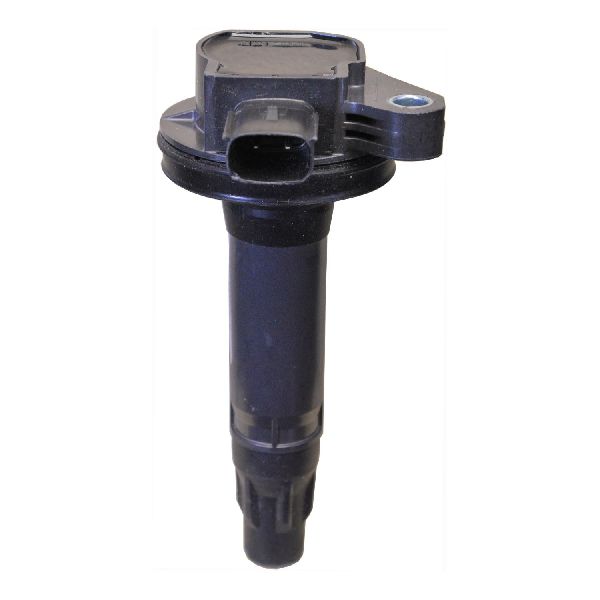
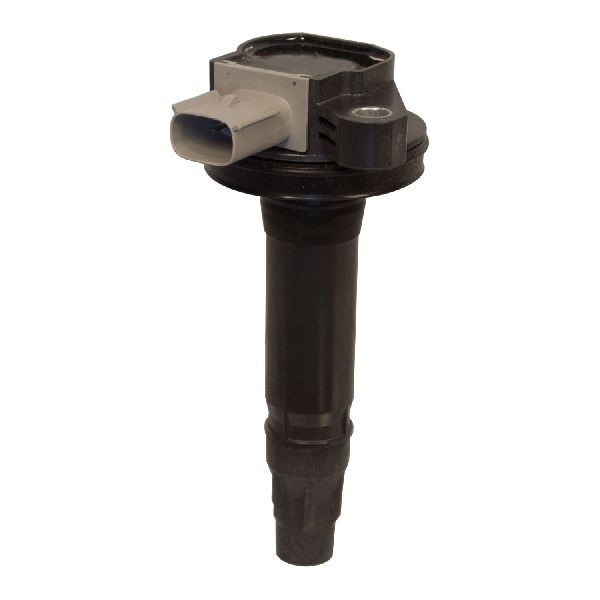
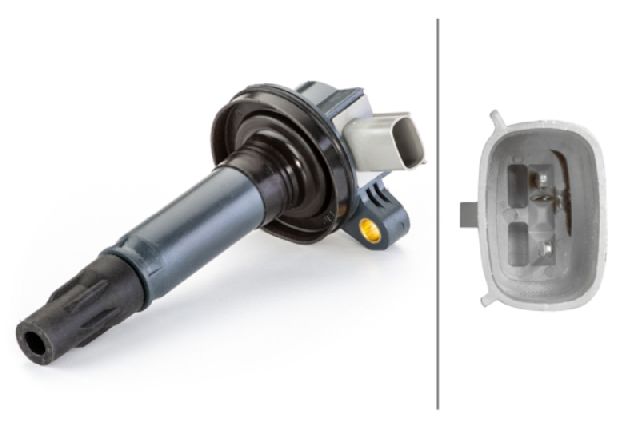
This vehicle uses a Coil-on-Plug (COP) ignition system. It is equipped with either a 3.7L V6 or a 3.5L EcoBoost V6 engine, both of which require six individual ignition coils.
We Have This Part in Stock

The information in this article is provided for general reference and educational purposes only. Vehicle specifications, procedures, and part compatibility can vary by production date, trim level, and region. Always consult your vehicle's factory service manual and verify part numbers before purchasing or performing repairs. Safety-critical components such as airbags, seat belts, and braking systems should be installed by a qualified professional.
- Lincoln MKS:
- 🎬 Helpful Videos
- 🛍️ Shop This Part
- Is Your Lincoln MKS Running Rough? It Could Be an Ignition Coil
- A Critical Warning for All 3.7L and 3.5L EcoBoost Owners
- Symptoms of a Failing Ignition Coil
- Choosing the Right Aftermarket Ignition Coil
- Tier 1: OEM-Equivalent Brands
- Tier 2: Performance Brands
- A Note on Replacement Strategy
- Estimated Cost to Replace Ignition Coils
- Frequently Asked Questions
- 🎟️ Get 5% Off