

Accessory Drive Belt Guide for the 2009-2016 Mitsubishi Lancer
Learn to spot a failing accessory drive belt in your Lancer and understand your replacement options before it leaves you stranded.
- Check if your 2009-2012 Lancer is affected by NHTSA recalls 18V069000 or 14V562000, which relate to the belt tensioner and pulleys.
- A squealing or shredding belt is often a symptom of a failing tensioner or pulley, not just a bad belt.
- For a reliable repair, it is strongly recommended to replace the belt tensioner and inspect the idler pulleys when changing the belt on these models.
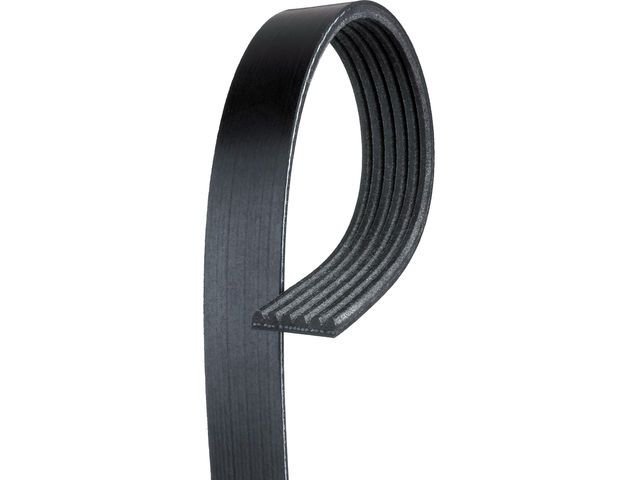
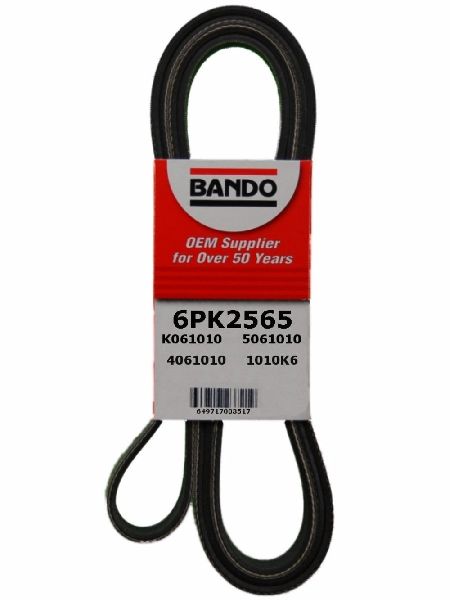
- High-quality aftermarket brands like Bando and ACDelco are excellent, cost-effective alternatives to the OEM belt.
Is Your Lancer's Accessory Belt Failing?
A failing accessory drive belt gives several warning signs before it breaks completely. For the 2009-2016 Lancer, it's especially important to pay attention to these signs due to known issues with related parts like the belt tensioner. Ignoring these symptoms can lead to a sudden breakdown.
Known Issues & Safety Recalls
Mitsubishi issued two major safety recalls for the drive belt system on 2009-2012 Lancers. Before buying parts, check with a Mitsubishi dealer to see if your car was affected and if the free recall service was completed.
- NHTSA Recall #18V069000: Affects some 2009-2012 Lancers with 4B11 or 4B12 engines. The original belt tensioner could crack, causing the belt to fall off. This leads to a sudden loss of power steering and battery charging.
- NHTSA Recall #14V562000: Affects some 2008-2011 Lancers. The original belt material could cause the plastic pulleys to wear down unevenly, leading to noise and the belt potentially coming off. The fix was an updated belt and pulley inspection.
Symptoms of a Bad Accessory Drive Belt
Look and listen for these clear signs that your belt or a related part is wearing out.
- Squealing or Chirping Noises: This is the most common symptom, often heard when starting the engine or turning on the A/C. It means the belt is slipping on the pulleys, which could be due to wear or a bad tensioner.
- Visible Cracks, Fraying, or Glazing: Visually inspect the belt. If you see multiple cracks on the ribbed side, frayed edges, or a shiny, glazed surface, it's worn out and needs replacement.
- Battery Warning Light: If the belt breaks or slips, it can't spin the alternator properly. The battery warning light will turn on, and your car will only run until the battery's charge is depleted.
- Engine Overheating: The belt drives the water pump. If it fails, coolant stops circulating, and your engine will overheat very quickly.
- Stiff Power Steering: If the belt snaps, the power steering pump stops working, making the steering wheel extremely difficult to turn.
Choosing the Right Aftermarket Belt
For a critical part like the drive belt, quality matters. While OEM is an option, high-quality aftermarket brands offer reliable performance, often at a better price. Given the recalls related to the Lancer's belt system, using a quality replacement is crucial.
The two brands available, Bando and ACDelco, are both reputable choices:
- Bando: Bando is a well-regarded manufacturer and is often the original equipment (OEM) supplier for many Japanese car brands. Choosing a Bando belt is often equivalent to getting an OEM-quality part.
- ACDelco: As the parts arm for General Motors, ACDelco has a long-standing reputation for producing reliable replacement parts for a wide range of vehicles. Their belts are known for durability and are a trusted choice among professional mechanics.
Pro Tip: On the 2009-2016 Lancer, a squealing or damaged belt is often a symptom of a failing tensioner, not just a worn belt. Due to the known recall issues, it is highly recommended to replace the belt tensioner and inspect the idler pulleys at the same time you replace the belt.
| Part/Service | Estimated Cost |
|---|---|
| New Aftermarket Belt | $45 - $72 |
| New OEM Belt | $110 - $140 |
| Shop Labor | $90 - $170 |
| Total (Aftermarket Part + Labor) | $135 - $242 |
Frequently Asked Questions
How often should I replace my Lancer's accessory belt?
Most modern serpentine belts last between 60,000 and 100,000 miles. However, you should inspect the belt for cracks or wear at every oil change. Given the recall history on 2009-2012 models, it's wise to be extra vigilant.
Is an accessory belt the same as a serpentine belt?
Yes. The terms "accessory drive belt" and "serpentine belt" are used interchangeably. They both refer to the single belt that powers your engine's accessories.
Can I drive with a squealing belt?
You can, but it's risky. A squealing noise is a clear warning that the belt is slipping or a pulley bearing is failing. The belt could break without further warning, causing a loss of power steering and making the car unsafe to drive.
My new belt is shredding. What's wrong?
If a new belt gets damaged quickly, the belt itself is almost never the problem. The cause is almost always a misaligned or failing component, such as a weak tensioner or a bad bearing in an idler pulley, alternator, or power steering pump. On the Lancer, the tensioner is a common culprit.
Is an OEM belt better than an aftermarket one for my Lancer?
Not necessarily. While the OEM belt is a direct replacement, high-quality aftermarket brands like Bando (an OEM supplier for many Japanese cars) and ACDelco offer comparable or even superior quality, often for less money. Given the recalls on the original belt system, a quality aftermarket part from a trusted brand is an excellent choice.
Technical Specifications
OEM Part Numbers: 4451A115 4451A114 4451A123 4451A062
The 2009-2016 Mitsubishi Lancer uses a single multi-rib (serpentine) belt made of EPDM rubber. The length and number of ribs vary depending on the engine (2.0L vs. 2.4L) and trim (with or without turbo). Always verify the correct part number for your specific vehicle configuration.
We Have This Part in Stock

The information in this article is provided for general reference and educational purposes only. Vehicle specifications, procedures, and part compatibility can vary by production date, trim level, and region. Always consult your vehicle's factory service manual and verify part numbers before purchasing or performing repairs. Safety-critical components such as airbags, seat belts, and braking systems should be installed by a qualified professional.
- Mitsubishi Lancer: