

Engine Coolant Temperature Sensor Guide for the 2009-2016 Seat Ibiza
Understanding the signs of a failing coolant sensor and how to choose the right replacement for your Ibiza.
- A failing sensor causes poor fuel economy, rough running, and an inaccurate temperature gauge.
- This is an easy DIY replacement, typically taking less than 30 minutes.
- For this critical sensor, choosing an OEM or high-quality aftermarket part is strongly recommended to ensure accurate readings.
- Always replace the O-ring and retaining clip along with the sensor to prevent leaks.
Is Your Ibiza's Coolant Sensor Failing?
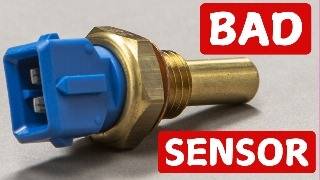
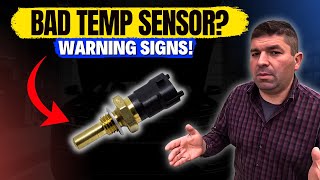
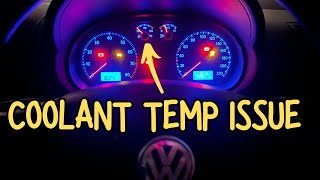
A faulty Engine Coolant Temperature (ECT) sensor can cause a range of confusing problems. Because the sensor's reading affects so many engine functions, symptoms can appear unrelated at first. 🎬 Watch: 8 common symptoms of a failing coolant sensor. If your Ibiza is acting up, a bad ECT sensor might be the culprit.
Choosing the Right Aftermarket Sensor
When replacing a critical sensor like the ECT, the choice between Original Equipment (OEM) and aftermarket parts is important. Since your Ibiza is part of the Volkswagen Auto Group (VAG), this decision can impact performance.
- OEM/OEM-Equivalent: This is the safest choice. An OEM sensor is guaranteed to have the correct fit and, most importantly, the correct resistance values for accurate temperature readings. VAG engines are sensitive, and an incorrect reading—even by a few degrees—can affect fuel economy and performance.
- Premium Aftermarket (e.g., Standard Ignition): Brands like Standard Ignition are well-known and generally reliable. They aim to match OE specifications and are a good middle-ground option. However, occasional fitment issues with connectors have been reported on other vehicles, so inspect the part carefully.
- Value-Priced Aftermarket (e.g., Holstein, True Tech): These brands offer a significant cost saving. For many parts, they are a perfectly acceptable choice. However, for critical electronic sensors, there is a higher risk of inaccurate readings or premature failure. Some owners have used budget sensors successfully, but others have had to replace them again with an OEM part to resolve persistent issues.
Pro Tip: For a critical component like the ECT sensor, spending a little more on an OEM or top-tier aftermarket part can save you the headache of chasing down performance issues or having to do the job twice.
Cost of Replacing a Seat Ibiza Coolant Temperature Sensor
| Part Type | Estimated Cost |
|---|---|
| New Aftermarket Part | $13.18 - $40.41 |
| New OEM Part | $30 - $70 |
| Shop Labor | $90 - $175 |
Cost estimates are based on industry data and may vary by location and supplier.
Frequently Asked Questions (FAQ)
Where is the coolant temperature sensor located on a 2009-2016 Seat Ibiza?
The ECT sensor is typically found screwed into the engine block or in a plastic housing near the thermostat. On many Ibiza engines, like the 1.4L, you can find it on the side of the engine block, held in place by a plastic clip and an O-ring.
Is replacing the ECT sensor a difficult job?
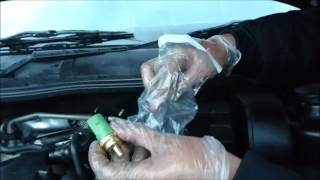
No, this is generally considered an easy DIY repair for most home mechanics. It usually takes between 10 and 30 minutes. The main steps are letting the engine cool, disconnecting the battery, unplugging the sensor, removing a clip, and swapping the old sensor for the new one. 🎬 See this step-by-step walkthrough for VAG group vehicles. Be prepared for a small amount of coolant to spill.
Do I need to replace anything else with the sensor?
Yes, it is highly recommended to replace the small O-ring seal and the plastic retaining clip at the same time. These parts are inexpensive and ensure a leak-free seal. The old clip can become brittle and break during removal.
Will a bad coolant sensor always trigger a Check Engine Light?
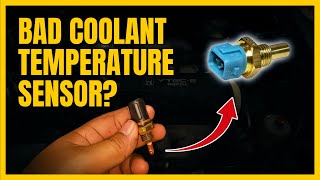
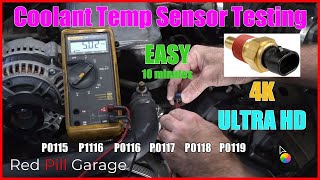
Not always. If the sensor fails completely or sends a signal that is clearly out of range, it will usually trigger a Check Engine Light with a code like P0118. However, if the sensor is just inaccurate—reading slightly hotter or colder than it should—it may not set a code, but you will still experience symptoms like poor fuel economy 🎬 Learn how to test and replace your sensor here. or rough running.
What kind of coolant should I use to top off my Ibiza?
You must use a VAG-approved coolant, typically G12+ or G13, depending on what is already in your system. Check your owner's manual or the coolant reservoir for the specific type. Mixing incorrect coolants can cause serious damage to the cooling system.
Helpful Videos
Technical Specifications
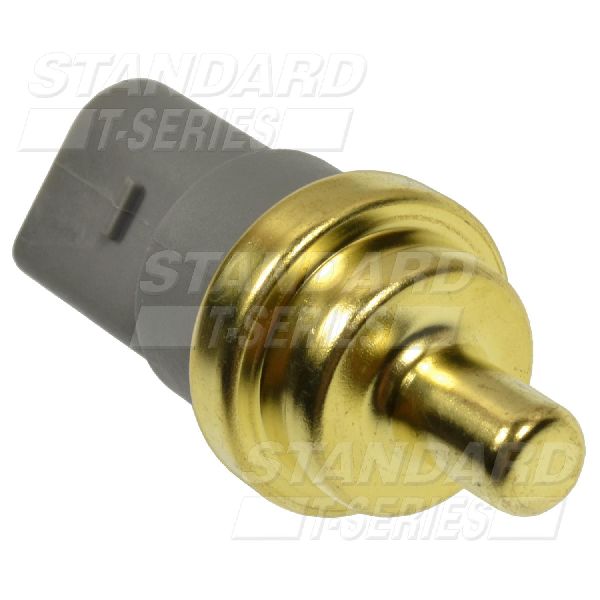
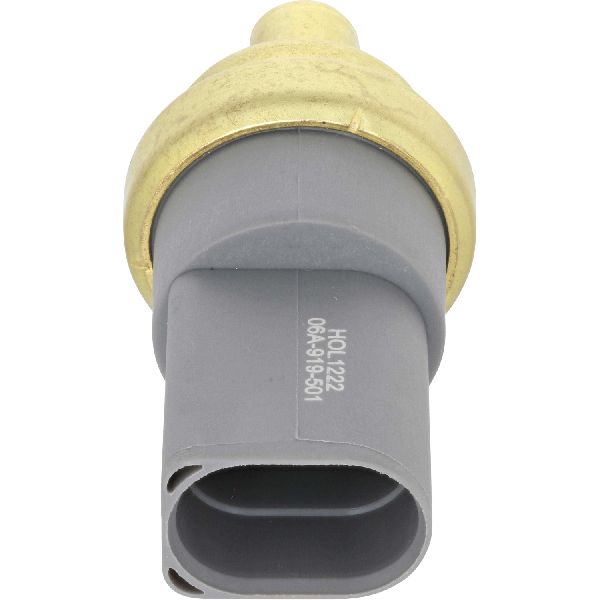
OEM Part Numbers: 06A919501A 03F919501A
Typically a 2-pin NTC (Negative Temperature Coefficient) sensor.
We Have This Part in Stock


The information in this article is provided for general reference and educational purposes only. Vehicle specifications, procedures, and part compatibility can vary by production date, trim level, and region. Always consult your vehicle's factory service manual and verify part numbers before purchasing or performing repairs. Safety-critical components such as airbags, seat belts, and braking systems should be installed by a qualified professional.
- Seat Ibiza: