

Your Guide to the 2009-2016 Volvo XC70 Radiator
Learn how to spot a failing radiator in your XC70 and choose the right aftermarket replacement to prevent engine damage.
- Address overheating or coolant leaks immediately to avoid catastrophic engine damage.
- For 2009 models, verify that the cooling fan recall (NHTSA 09V-218) has been completed.
- High-quality aftermarket brands like Nissens and CSF offer reliable performance for much less than OEM parts.
- Radiator replacement is a complex job on the XC70 and may be best left to a professional unless you have significant mechanical experience.
Is Your Volvo XC70 Radiator Failing?
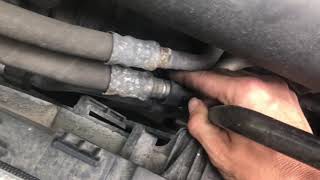
A bad radiator can lead to serious engine trouble, including overheating that can damage your engine permanently. Knowing the warning signs helps you catch the problem before it becomes critical. 🎬 See a mechanic identify common coolant leak locations on an XC70. Most failures on the 2009-2016 XC70 involve leaks from the plastic side tanks, which can crack from age and heat, or from the seals where the plastic tanks connect to the aluminum center.
Common Symptoms of a Bad Radiator:
- Engine Temperature Gauge in the Red: The most obvious sign of a cooling problem is your dashboard temperature gauge climbing higher than normal.
- Puddles Under Your Car: You may find bright green, yellow, or pink fluid under the front of your XC70. This coolant has a distinct sweet smell.
- Low Coolant Light: If you constantly have to add coolant to the reservoir, you likely have a leak somewhere in the system.
- Visible Steam or a Sweet Smell: Steam coming from under the hood while driving or after stopping is a serious sign of an active, hot coolant leak.
- Rusty or Discolored Coolant: Healthy coolant is brightly colored. If the fluid in your reservoir looks rusty, brown, or sludgy, it can indicate internal corrosion in the radiator.
Known Issues: 2009 Cooling Fan Recall
Volvo issued a recall for 2008-2009 XC70 models due to a software error that could cause the engine cooling fan to stop working. This can cause the engine to overheat very quickly, especially in stop-and-go traffic. If you own a 2009 model, it is critical to ensure this recall service (Volvo recall R214) was performed by a dealer.
🎬 Learn how to replace the radiator fan and thermostat yourself.Choosing the Right Aftermarket Radiator
You do not need to buy an expensive original Volvo radiator to get a quality part. The original parts are typically made by brands like Behr or Valeo. Several aftermarket brands offer excellent quality and fit for a fraction of the price.
Aftermarket radiators for your XC70 can be grouped into quality tiers:
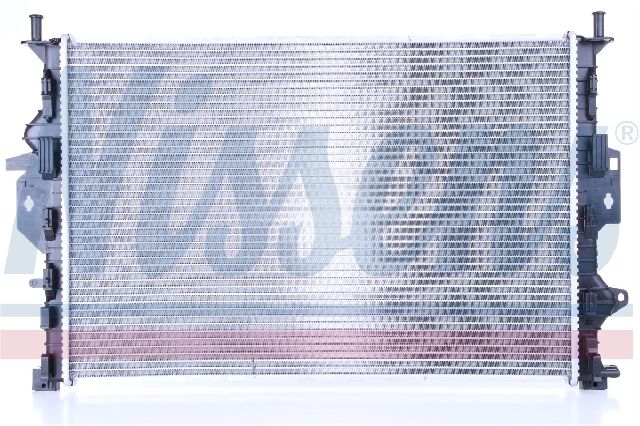
- Premium Aftermarket (Nissens, CSF Radiator): These brands are well-regarded by Volvo owners and professional mechanics. They are known for being direct OE-equivalents, meaning they fit and cool just like the original part. Nissens is a popular choice for European vehicles.
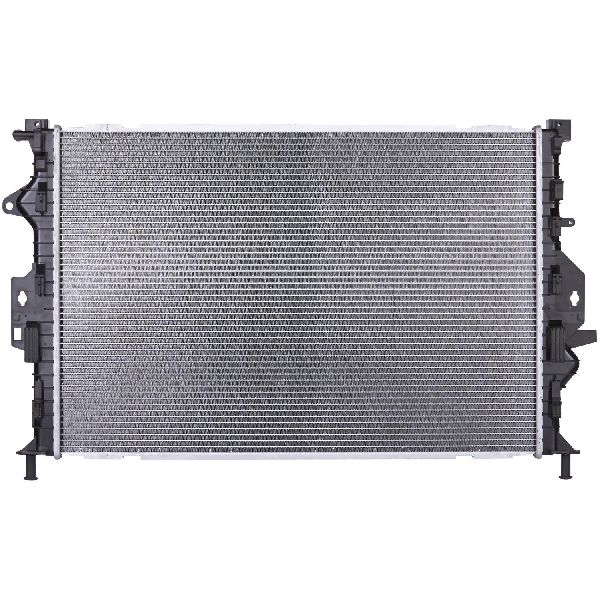
- Standard Aftermarket (Spectra, Global Parts): These brands provide a reliable, budget-friendly solution that meets or exceeds original specifications. They are a good balance of price and quality for a daily driver.
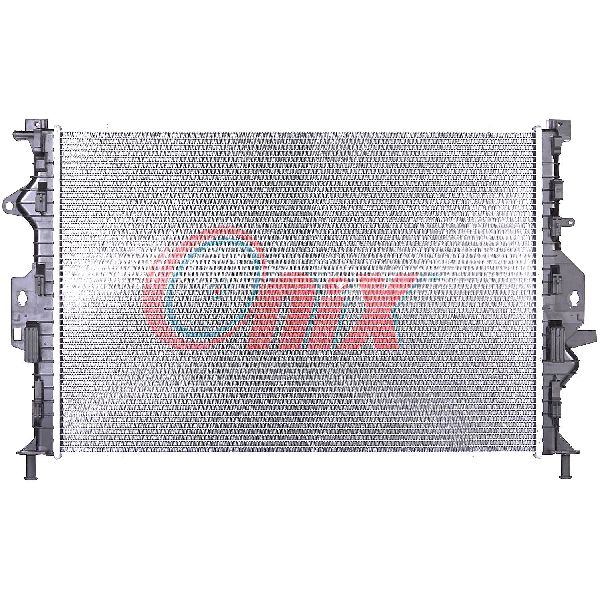
- Economy Brands (One Stop Solutions, Onix): These are typically the most affordable options. They can be a good choice if budget is the primary concern, but may not have the same long-term durability as premium brands.
Pro Tip: When replacing the radiator, it's a good idea to also replace the upper and lower radiator hoses. The plastic connectors can become brittle over time, and it's much easier to replace them while the system is already drained.
Cost of Replacing Your XC70 Radiator
The cost to replace the radiator in a 2009-2016 Volvo XC70 can vary. The part itself is affordable, but labor can be significant because of the job's complexity.
| Part/Service | Estimated Cost |
|---|---|
| New Aftermarket Radiator | $126 - $223 |
| New OEM Radiator | $225 - $815 |
| Shop Labor | $370 - $770 |
| Total Professional Replacement | $500 - $1,550+ |
Frequently Asked Questions
Is it difficult to replace the radiator on a Volvo XC70 yourself?
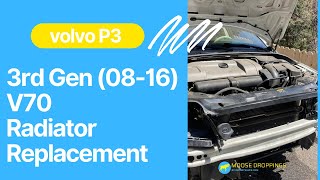
Yes, this is a challenging job for a beginner. The radiator is part of a larger assembly that includes the A/C condenser and intercooler. The entire module is often removed from the bottom of the vehicle, which requires lifting the car securely. It is recommended for experienced DIY mechanics or a professional shop. 🎬 Watch this complete walkthrough of the P3 radiator replacement process. A professional technician may take 3-4 hours to complete the job.
Is an aftermarket radiator as good as the original Volvo part?
Yes, a quality aftermarket radiator from a brand like Nissens or CSF can be just as good as the original. These companies specialize in cooling systems and often manufacture parts that meet or exceed OEM standards for fit and performance, but at a lower cost.
Do I need to use special Volvo coolant?
Yes, it is very important to use the correct type of coolant for your Volvo. Using the wrong type can lead to corrosion and damage to the cooling system. Check your owner's manual for the specific coolant type (often a blue, G48-type fluid). Always mix concentrated coolant with distilled water at a 50/50 ratio.
What is a radiator petcock?
The petcock is a small plastic valve or plug at the bottom of the radiator, usually on the driver's side. It is used to drain the old coolant from the system before you begin the replacement.
Helpful Videos

Technical Specifications
OEM Part Numbers: 31319056 31368082 31368299
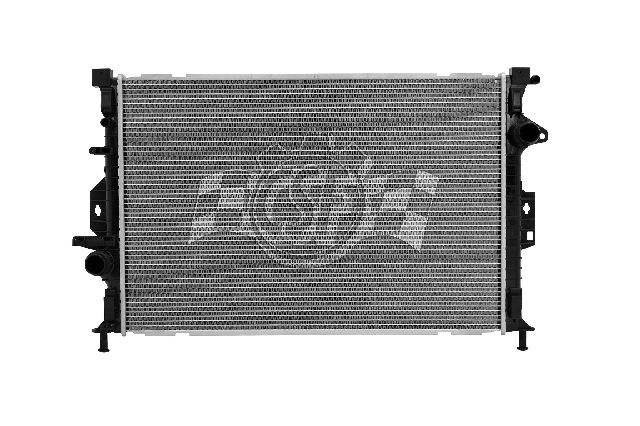
All radiators for this vehicle are a crossflow design with an aluminum core and plastic end tanks. They are designed to work with automatic transmissions, which includes an integrated transmission oil cooler.
We Have This Part in Stock


The information in this article is provided for general reference and educational purposes only. Vehicle specifications, procedures, and part compatibility can vary by production date, trim level, and region. Always consult your vehicle's factory service manual and verify part numbers before purchasing or performing repairs. Safety-critical components such as airbags, seat belts, and braking systems should be installed by a qualified professional.
- Volvo XC70: