

Audi A6 Quattro Turbocharger Boost Sensor (2009-2017): A Complete Guide
Experiencing power loss or a check engine light on your Audi A6 Quattro? Your turbo boost sensor could be the culprit.
- A faulty boost sensor will cause significant power loss (limp mode) and turn on the check engine light.
- Before replacing the sensor, inspect the wiring harness for damage, as this is a known issue covered by a TSB.
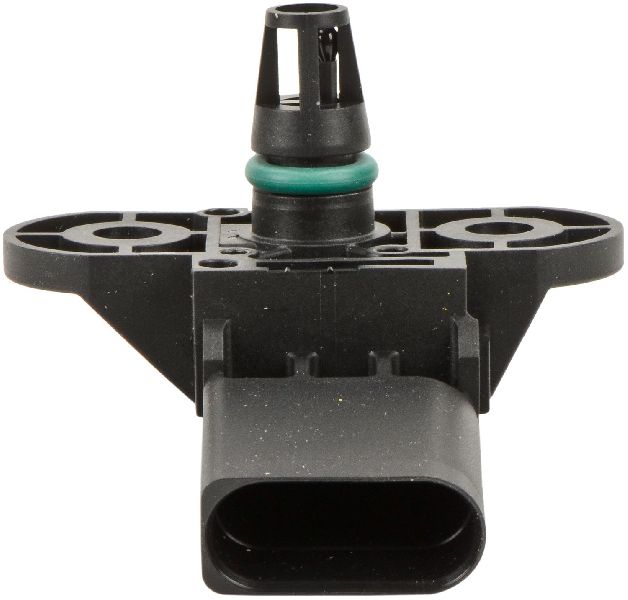
- Bosch is an OEM supplier, making their aftermarket sensor a high-quality, cost-effective choice.
- Replacement is simple for a DIYer and typically takes less than 30 minutes with basic tools.
Symptoms of a Failing Boost Sensor
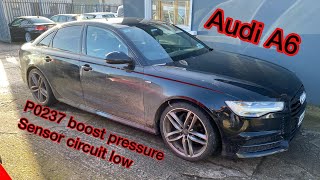
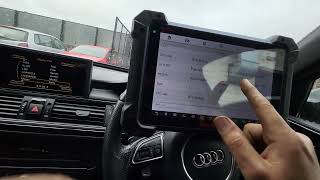
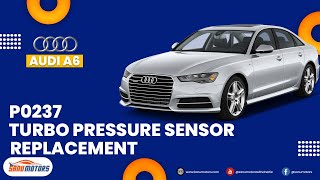
When the boost sensor on your 2009-2017 Audi A6 Quattro starts to fail, the signs are often hard to ignore. The most common symptom is a sudden and significant loss of engine power, often referred to as "limp mode." This is a protective measure by the car's computer to prevent engine damage. You may also notice your check engine light is on, the glow plug light is flashing (on TDI models), and the car struggles to accelerate or exceed certain speeds. 🎬 Watch: Diagnosing limp mode and P0237 on an Audi A6 Other signs include a rough idle, engine hesitation or jerking, poor fuel economy, and even black smoke from the exhaust.
Known Issue: Check Wiring Before Replacing
Before you buy a new sensor, inspect the wiring harness connected to it. Audi has issued a Technical Service Bulletin (TSB 01 24 11 2062323/3) for some models because the wiring to the boost pressure sensor (G31) can become damaged from engine vibrations. This can cause fault codes like P0106 and P0236, leading to hesitation and power loss. A simple wiring repair might solve your problem without the need for a new sensor. Many owners have found that a loose connection or broken wire was the actual cause of their issues.
Choosing the Right Aftermarket Sensor
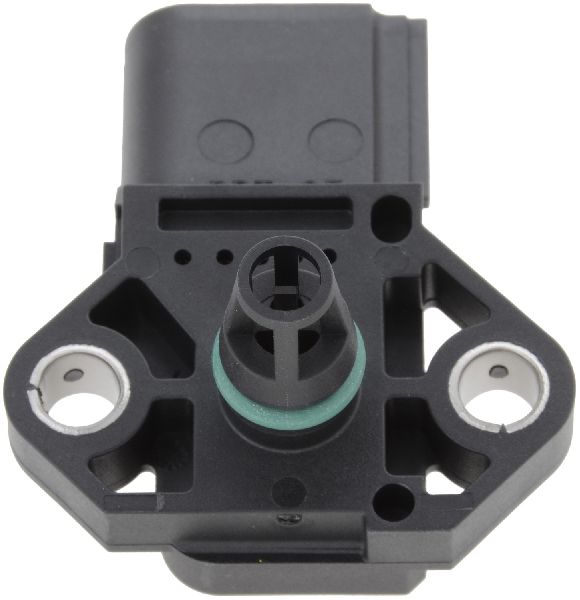
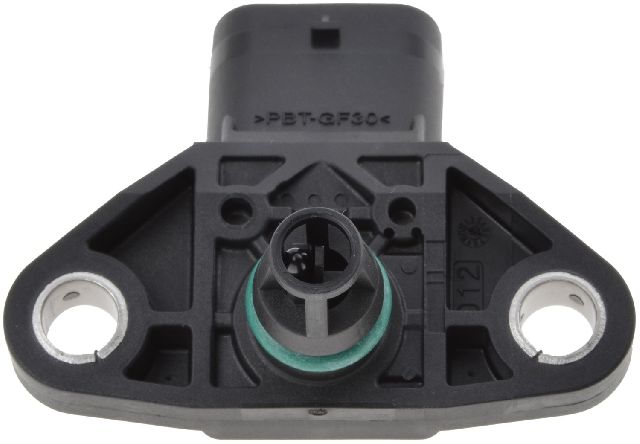
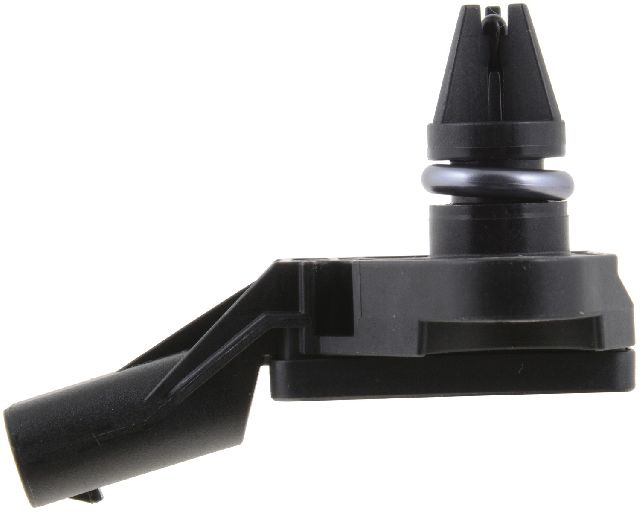
When it comes to replacing electronic parts on your Audi, quality is key. For the turbocharger boost sensor, you will find aftermarket options available from brands like Bosch.
Pro Tip: OEM Quality Without the OEM Price
Bosch is a well-regarded brand and is often the original equipment manufacturer (OEM) for many Audi parts. This means a Bosch-branded aftermarket sensor can be identical in quality and performance to the part you would buy from an Audi dealership, but at a lower cost. When shopping, choosing a new aftermarket part from a reputable OEM supplier like Bosch is a smart way to save money without sacrificing reliability.
Replacement Cost
The cost to replace a turbocharger boost sensor can vary. The part itself is not expensive, and the labor is minimal as it's usually an easy-to-access part. Below is a general cost estimate for the Audi A6 Quattro.
| Item | Estimated Cost |
|---|---|
| New Aftermarket Part | $41.46 - $83.97 |
| New OEM Part | $150 - $240 |
| Shop Labor | $42 - $80 |
| Total Estimated Cost (Shop) | $200 - $320 |
Frequently Asked Questions
Where is the boost pressure sensor located on the 2009-2017 Audi A6 Quattro?
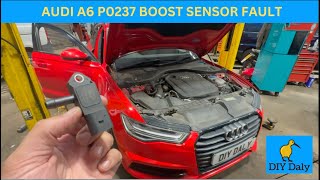
The sensor is typically mounted on the intake manifold or on the hard piping that runs from the intercooler to the throttle body. It is usually held in place by a single Torx screw and has an electrical connector plugged into it, making it relatively easy to find and access.
Can I clean a boost pressure sensor?
While some people attempt to clean MAP or boost sensors, it is generally not recommended as a permanent fix. The internal components are sensitive and can be damaged by cleaning agents or physical contact. If the sensor is contaminated with oil (often from the PCV system), it indicates another issue that should be addressed. Given the relatively low cost of a new aftermarket sensor, replacement is the most reliable solution.
What are the common fault codes for a bad boost sensor?
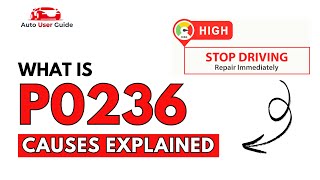
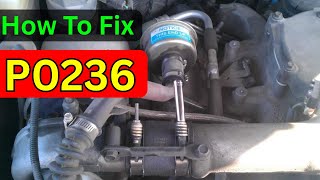
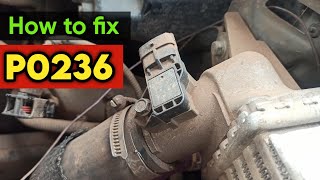
A failing boost sensor will typically trigger a check engine light with specific Diagnostic Trouble Codes (DTCs). The most common codes you will see are P0236 (Turbocharger/Supercharger Boost Sensor 'A' Circuit Range/Performance), P0237 (Circuit Low), and P0238 (Circuit High). These codes point directly to a problem with the sensor or its circuit.
🎬 See this guide on diagnosing and fixing P0236 circuit codesIs this a difficult part to replace myself?
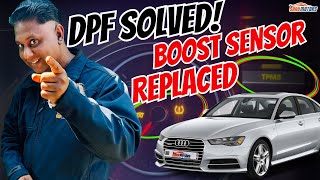
For most DIY mechanics, this is a straightforward job. The replacement typically involves removing the engine cover, locating the sensor, unplugging the electrical connector, removing one screw, and swapping the old sensor for the new one. The entire process can often be completed in under 30 minutes with basic tools.
🎬 Watch: Step-by-step boost pressure sensor replacement and DPF cleaningHelpful Videos

Technical Specifications
OEM Part Numbers: 038906051E 0261230234 0281006059 0261230289
Also known as a MAP (Manifold Absolute Pressure) Sensor. Check for Technical Service Bulletin TSB 01 24 11 2062323/3 regarding wiring issues. Always verify fitment with your vehicle's VIN before purchasing, as multiple part numbers exist.
We Have This Part in Stock

The information in this article is provided for general reference and educational purposes only. Vehicle specifications, procedures, and part compatibility can vary by production date, trim level, and region. Always consult your vehicle's factory service manual and verify part numbers before purchasing or performing repairs. Safety-critical components such as airbags, seat belts, and braking systems should be installed by a qualified professional.
- Audi A6 Quattro: