

Audi S4 Engine Coolant Temperature Sensor Guide (2009-2017)
Understanding the critical but hard-to-reach coolant sensor on your B8 or B8.5 Audi S4.
- The sensor is located under the supercharger, making replacement a labor-intensive and expensive job.
- Due to the high labor cost, it is critical to use a high-quality OEM supplier brand like Hella, Delphi, or Vemo.
- It is highly recommended to also replace the thermostat and PCV valve at the same time to avoid future redundant labor costs.
- The primary sensor (G62) that causes most issues is part number 06A919501A.
The Critical Sensor in a Tough Spot

The main engine coolant temperature sensor (G62) on the 2009-2017 Audi S4 with the 3.0L supercharged engine is a frequent topic among owners. It's not that the part fails more than on other cars, but its location makes replacement a major job. Unlike many vehicles where the sensor is easily accessible, on the 3.0T engine, it is located on a coolant crossover pipe tucked in the engine valley, underneath the supercharger. This means that to replace this small, inexpensive sensor, the entire supercharger assembly must be removed.
🎬 See how to quickly remove the supercharger on an S4Symptoms of a Failing Coolant Temp Sensor

When the ECT sensor starts to fail, it sends incorrect data to the ECU, leading to a range of noticeable problems. You might experience 🎬 Watch: Common signs and symptoms of a failing ECT sensor one or more of the following issues:
- Check Engine Light: This is often the first sign. The ECU will log fault codes like P0117, P0118, or P0128 when it detects a signal from the sensor that is out of the expected range.
- Poor Fuel Economy: If the sensor incorrectly tells the ECU the engine is always cold, the system will constantly run a rich fuel mixture, wasting gas.
- Engine Overheating or Running Cold: A bad sensor can prevent the cooling fans from turning on when needed, leading to overheating. Conversely, if the gauge on your dashboard never reaches the normal 90°C operating temperature or fluctuates wildly, the sensor could be at fault.
- Black Smoke from Exhaust: An overly rich fuel mixture from a bad sensor signal can result in unburned fuel exiting through the exhaust, creating black smoke.
- Hard Starting or Rough Idle: The wrong fuel and timing adjustments can make the engine difficult to start, especially when cold, and can cause a shaky or unstable idle.
High Replacement Difficulty
Replacing the G62 coolant temperature sensor on the 3.0T S4 is not a simple task. It requires removing the front bumper (service position), draining the coolant, and removing the supercharger. This is an advanced DIY job that can take 4-6 hours. For most owners, this is a job best left to a qualified independent Audi mechanic.
Choosing the Right Aftermarket Sensor

Given the intensive labor involved, choosing a quality, reliable replacement sensor is critical. You do not want to repeat this job because of a cheap, faulty part. Here’s a breakdown of available brand tiers:
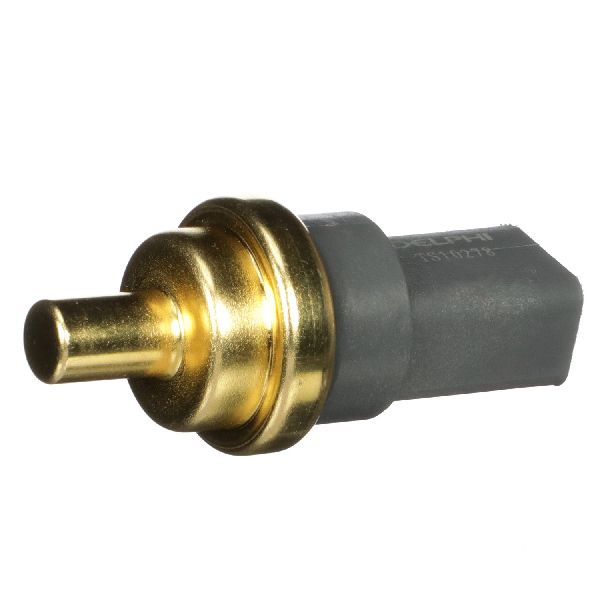
- Tier 1: OEM Suppliers (Recommended): Brands like Hella, Delphi, and Vemo are often original equipment manufacturers for Audi and other German brands. Choosing one of these ensures OEM-level fit and performance without the dealership price tag. They are the safest aftermarket choice.
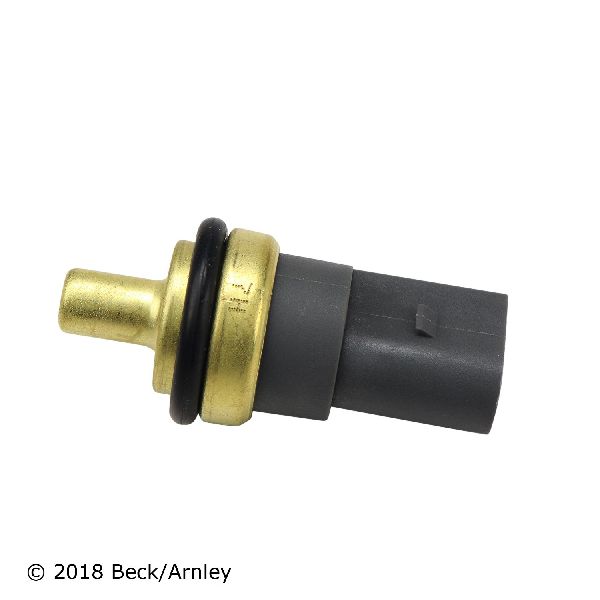
- Tier 2: Reputable Aftermarket: Brands such as Beck Arnley, NGK, Standard Ignition (SMP), and Bosch have a long history of producing quality aftermarket components. While not always the direct OEM supplier for this specific part, they are generally a reliable option.
- Tier 3: Economy Brands: This category includes brands like Four Seasons, Global Parts, and others that focus on being a lower-cost alternative. While tempting, the risk of premature failure is higher. Given the cost of labor for this specific repair, saving a few dollars on the part itself is not recommended.
"While You're In There" Replacements
Since the supercharger must be removed to access the coolant sensor, this is the perfect time to replace other common failure points in the same area. The labor overlaps almost completely. Ask your mechanic to also replace the Thermostat and the PCV (Positive Crankcase Ventilation) Valve. Both are known weak points on the 3.0T engine and are located under the supercharger. 🎬 Watch: Step-by-step guide for replacing the PCV and thermostat Replacing them all at once can save you from a very expensive, redundant repair down the road.
Cost of Replacing the Engine Coolant Temperature Sensor

| Part Type | Estimated Part Cost | Estimated Labor Cost |
|---|---|---|
| New OEM (Dealer) | $40 - $60 | $500 - $800+ |
| New Aftermarket | $13 - $44 | $500 - $800+ |
| Shop Labor | Labor is the main expense due to the supercharger removal. Expect 4-6 hours of shop time. | |
Frequently Asked Questions (FAQ)
Is the G62 sensor the same as the G83 sensor?
No. The B8/B8.5 S4 has at least two coolant temperature sensors. The G62 sensor is the primary one for the ECU, located under the supercharger. The G83 sensor is located on the radiator outlet and measures the coolant temperature after it has been cooled. The G62 is the one that typically causes the running issues and check engine lights described in this article.
Can I really do this replacement myself?
This is a job for experienced mechanics only. It requires special tools, putting the car in service position, and removing the supercharger. Mistakes can be very costly. If you are not comfortable with extensive engine work, it is highly recommended to use a professional shop.
My mechanic quoted me a lot for this small part. Why?
The high cost is almost entirely due to labor. The sensor itself is inexpensive, but accessing it requires 4-6 hours of work to remove and reinstall the supercharger and other components. The quote is for the time, not the part.
Should I replace my thermostat at the same time?
Yes, absolutely. The thermostat on the 3.0T engine is another common failure item located directly under the supercharger. Since 95% of the labor is the same, replacing the thermostat and PCV valve at the same time as the coolant sensor is a very smart and cost-effective preventative measure.
What is the correct OEM part number for the G62 sensor?
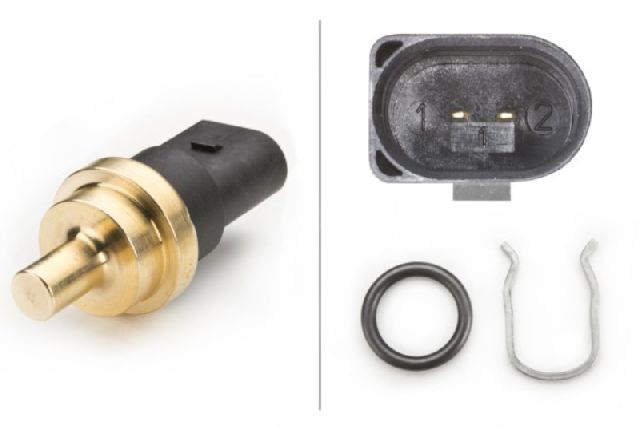
The most common part number for the primary G62 sensor on the 2009-2017 S4 is 06A919501A. This is a 2-pin sensor. Always verify fitment with your vehicle's VIN before ordering.
Helpful Videos



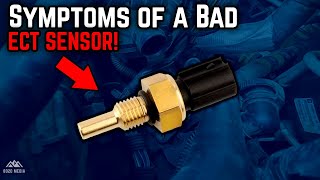
Technical Specifications
OEM Part Numbers: 06A919501A 078919501C
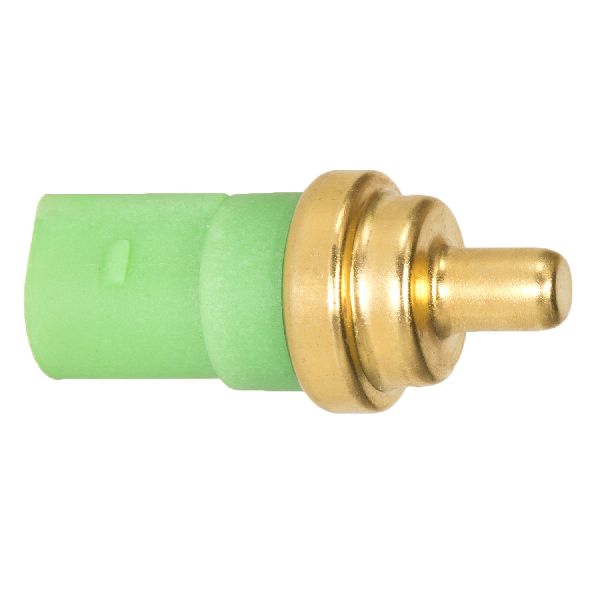
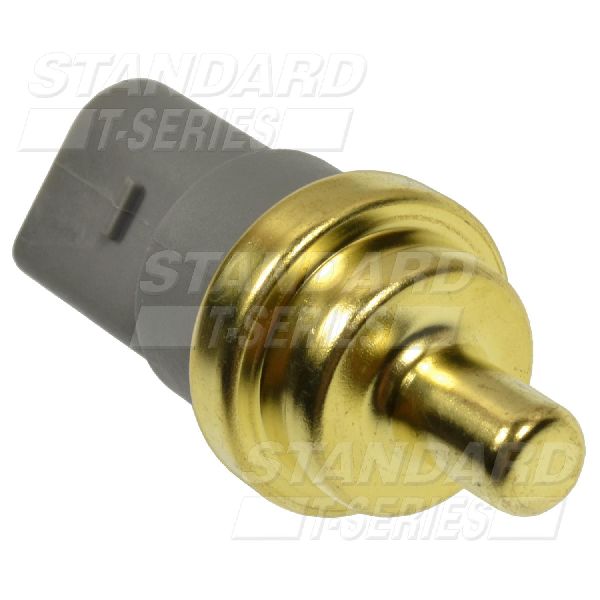
The primary sensor is a 2-pin (G62) thermistor that changes resistance based on coolant temperature. It is typically held in place by a plastic clip and sealed with a rubber O-ring.
We Have This Part in Stock


The information in this article is provided for general reference and educational purposes only. Vehicle specifications, procedures, and part compatibility can vary by production date, trim level, and region. Always consult your vehicle's factory service manual and verify part numbers before purchasing or performing repairs. Safety-critical components such as airbags, seat belts, and braking systems should be installed by a qualified professional.
- Audi S4:
- 🎬 Helpful Videos
- 🛍️ Shop This Part
- The Critical Sensor in a Tough Spot
- Symptoms of a Failing Coolant Temp Sensor
- High Replacement Difficulty
- Choosing the Right Aftermarket Sensor
- "While You're In There" Replacements
- Cost of Replacing the Engine Coolant Temperature Sensor
- Frequently Asked Questions (FAQ)
- 🎟️ Get 5% Off