

A Guide to the A/C Refrigerant Liquid Hose on Your 2009-2017 GMC Sierra 2500 HD
Losing your cool? Here’s what you need to know about this critical A/C part for your heavy-duty Sierra.
- A failing A/C liquid hose will cause the A/C to blow warm air due to refrigerant leaks.
- Look for oily residue on and around the hose as a clear sign of a leak.
- Aftermarket hoses are cheaper but may have fitment issues at the connection points; OEM (ACDelco) is recommended for a guaranteed fit.
- Replacement requires specialized tools like a vacuum pump and manifold gauges to properly evacuate and recharge the system.
Symptoms of a Failing A/C Liquid Hose
When the A/C liquid hose on your Sierra 2500 HD starts to fail, the signs are usually straightforward. Because this hose is under high pressure, failure almost always means a refrigerant leak. Here’s what to look for:
- Warm Air from Vents: This is the most obvious symptom. If the refrigerant leaks out, the system can't cool the air.
- Visible Oily Residue: Refrigerant is mixed with a special oil to lubricate the A/C compressor. When the hose leaks, this oil escapes and collects on the hose, fittings, or nearby engine components, attracting dirt and grime.
- Hissing Sounds: A hissing noise from the engine bay, which may only last a short time, can indicate refrigerant escaping under pressure.
- Physical Damage: Look at the hose itself. You may see cracks, abrasions, or swelling, especially where it might be rubbing against another part of the engine.
A Note on A/C System Leaks
A leaking A/C hose will eventually cause the A/C system to stop working entirely. The system has a low-pressure switch that will prevent the compressor from turning on if there isn't enough refrigerant, protecting it from damage.
Choosing the Right Aftermarket Hose: OEM vs. Aftermarket
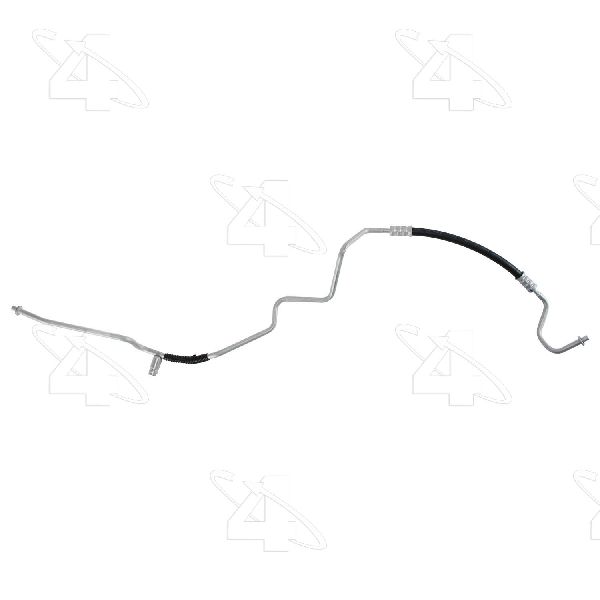
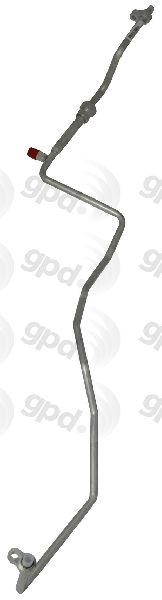
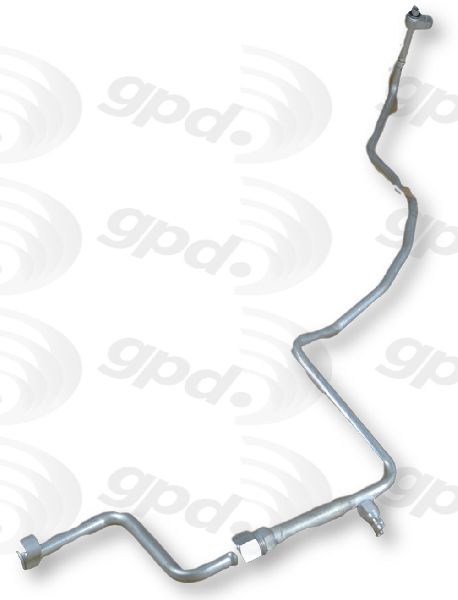
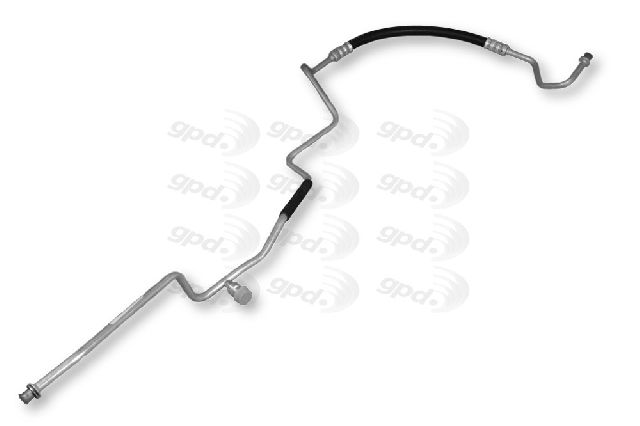
For your 2009-2017 GMC Sierra 2500 HD, you have options between original equipment (OEM) and aftermarket brands like Four Seasons or Global Parts (GPD).
- OEM (ACDelco): This is the part your truck was built with. It guarantees a perfect fit. Some owners have found that certain aftermarket hoses have connection flanges that are not built to the exact same thickness as the original, which can cause persistent leaks even with new seals. While it costs more, choosing an OEM part provides peace of mind.
- Aftermarket (Four Seasons, Global Parts): These brands offer a more budget-friendly solution. Four Seasons is a widely available brand, though some professional mechanics and forum users express mixed opinions on its quality compared to OEM. Global Parts (GPD) is another option often positioned as meeting OE specifications. If you choose an aftermarket part, it is critical to compare it to the old hose before installation, paying close attention to the shape, length, and thickness of the mounting flanges.
Pro Tip: Regardless of the brand you choose, always replace the rubber O-ring seals at the connections. New hoses should come with them. Lubricate the new O-rings with the correct A/C oil (PAG oil) before installation to ensure a good seal and prevent tearing.
Typical Replacement Costs
The cost to replace the A/C liquid hose can vary based on whether you do it yourself or have a shop perform the work.
| Part/Service | Estimated Cost |
|---|---|
| New Aftermarket Part | $46.23 - $63.44 |
| New OEM (ACDelco) Part | $65 - $90 |
| Shop Labor (including system evacuation and recharge) | $175 - $300 |
Note: Labor costs are estimates and do not include the price of the part or refrigerant. Prices can vary by location and shop.
Frequently Asked Questions (FAQ)
Can I replace the A/C liquid hose myself?
Yes, if you are mechanically inclined. However, replacing an A/C hose requires special tools. The system must be legally and safely evacuated of any remaining refrigerant before opening it, and it must be put under a vacuum after the repair to remove moisture before being recharged. DIY kits for this are available, but the process must be done correctly to avoid damaging other A/C components.
What tools are needed to replace an A/C hose?
You will need basic hand tools (wrenches, socket set) to remove the hose connections. More importantly, you need an A/C manifold gauge set, a vacuum pump, and a can tap or refrigerant charging machine to properly evacuate and recharge the system. These tools can often be rented from auto parts stores.
Are there any recalls or common issues with this hose?
There are no specific recalls or technical service bulletins (TSBs) from GM for the A/C refrigerant liquid hose on the 2009-2017 Sierra 2500 HD. While A/C condenser leaks were a known issue on some other GM trucks and SUVs around this time, the hoses themselves are not considered a specific design flaw; they typically fail from age, heat, and physical wear.
Why did my A/C hose fail?
A/C hoses live in a harsh environment. They carry refrigerant under very high pressure and are exposed to constant engine heat and vibration. Over time, the rubber can degrade and become brittle, or the metal crimps can loosen, leading to leaks. Sometimes, a hose fails because it was rubbing against another component in the engine bay, causing a weak spot.
Technical Specifications
OEM Part Numbers: 22868696 23377312 15-34440
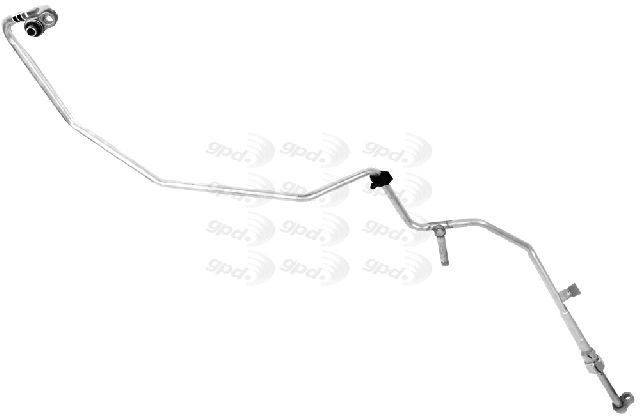
The A/C Refrigerant Liquid Hose connects the A/C condenser outlet to the evaporator inlet (via an orifice tube or expansion valve). It is constructed of high-pressure rubber with aluminum end fittings. It is designed for use with R-134a refrigerant and PAG oil.
We Have This Part in Stock

The information in this article is provided for general reference and educational purposes only. Vehicle specifications, procedures, and part compatibility can vary by production date, trim level, and region. Always consult your vehicle's factory service manual and verify part numbers before purchasing or performing repairs. Safety-critical components such as airbags, seat belts, and braking systems should be installed by a qualified professional.
- GMC Sierra 2500 HD: