

Engine Coolant Thermostat Guide for 2009-2017 Mitsubishi Lancer
Keep your Lancer's engine temperature in check by understanding when and why to replace your thermostat.
- A failing thermostat will cause either engine overheating (stuck closed) or an engine that won't warm up (stuck open).
- A Check Engine Light with code P0128 is a very common sign of a thermostat that is stuck open.
- For a daily-driven 2009-2017 Lancer, a standard OEM-specification thermostat is the best choice for reliability and proper engine function.
- While there are no recalls on the thermostat, it is a common wear-and-tear item that requires replacement when symptoms appear.
Is Your Lancer's Thermostat Failing?

A thermostat is a simple part, but when it fails, it can cause noticeable problems. It can fail in two ways: stuck open or stuck closed. A thermostat that is stuck closed is the most dangerous, as it will block coolant from reaching the radiator, causing the engine to overheat quickly. A thermostat stuck open will prevent your engine from ever reaching its proper operating temperature, which can lead to poor fuel economy, increased emissions, and a Check Engine Light.
Common Failure Symptoms
- Engine Overheating: The temperature gauge climbs into the red. This is a serious issue caused by a thermostat stuck closed. Pull over safely and shut off the engine immediately.
- Engine Not Warming Up: The temperature gauge stays on cold, or takes an extremely long time to reach the middle. This is often caused by a thermostat stuck open.
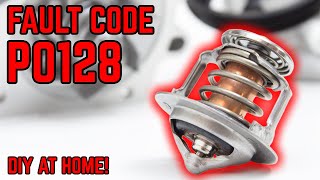
- Check Engine Light: A thermostat stuck open will often trigger the code P0128, which means the engine coolant temperature is lower than it should be. 🎬 See how to diagnose and fix a P0128 fault code.
- No Heat from Vents: If the engine can't get warm, it can't provide hot coolant to the heater core, resulting in lukewarm or cold air from your heater.
- Temperature Gauge Fluctuates: The needle may swing back and forth unpredictably, indicating the thermostat is struggling to regulate temperature.
Choosing the Right Aftermarket Thermostat

When shopping for a new thermostat for your 2009-2017 Lancer, you'll find OEM-spec parts and performance-oriented options. For most owners, an OEM-specification part is the best choice.
Brand Quality Tiers
Tier 1: OEM & Premium Aftermarket (e.g., Motorad, Calorstat)
The original equipment (OEM) thermostat is designed by Mitsubishi to operate at a specific temperature for optimal engine performance and efficiency. High-quality aftermarket brands like Motorad and Calorstat build their parts to meet or exceed these OEM standards. For a daily-driven Lancer, sticking with an OEM-spec thermostat ensures your car runs exactly as the engineers intended. These are reliable and provide consistent performance.
Tier 2: Performance Aftermarket (e.g., Mishimoto)
Brands like Mishimoto offer "racing" or low-temperature thermostats that are designed to open earlier. The idea is to start the cooling process sooner, which can be beneficial for highly modified or track-driven cars. However, for a stock or lightly modified Lancer, these can be problematic. An engine that runs too cool may have reduced fuel efficiency and can sometimes trigger a Check Engine Light. Reviews from car communities are mixed, with some users reporting no benefit or even worse performance than stock. Given their higher cost, they are not recommended for the average Lancer owner.
Cost of Replacing a Lancer Thermostat

The cost to replace the thermostat on a 2009-2017 Lancer is reasonable. The part itself is inexpensive, and the labor is straightforward for a mechanic or an experienced DIYer.
| Item | Estimated Cost |
|---|---|
| New Aftermarket Thermostat | $19 - $70 |
| New OEM Thermostat | $100 - $125 |
| Shop Labor | $85 - $125 |
| Total Professional Replacement | $200 - $250 |
Cost estimates are for reference only. Prices may vary based on location, vehicle model year, and specific part brand.
Frequently Asked Questions

Are there any recalls on the Lancer thermostat?
No, there are no specific recalls or technical service bulletins (TSBs) from Mitsubishi or the NHTSA for thermostat failure on the 2009-2017 Lancer. However, it is a part that can wear out and fail over time on any vehicle.
Where is the thermostat located on the 2009-2017 Lancer?
On Lancers with the 2.4L engine, the thermostat is located on the driver's side of the engine. You can find it by following the large lower radiator hose to where it connects to the engine block. It is housed inside a plastic or metal casing.
Should I use a low-temp 'racing' thermostat like Mishimoto?
For a standard, daily-driven Lancer, it is not recommended. Your engine is designed to run at a specific temperature for efficiency and longevity. A low-temp thermostat can prevent it from reaching that temperature, especially in colder climates, which can negatively affect fuel mileage and heater performance. Stick with an OEM-specification part.
Can I replace the Lancer thermostat myself?
Yes, this is a job that can be done at home if you have basic tools and mechanical experience. The process involves draining the coolant, removing the air filter box for better access, unbolting the thermostat housing, swapping the part, and then refilling and bleeding the air from the cooling system. The estimated time for a professional is about one hour.
🎬 Watch this step-by-step guide to replacing your Lancer's thermostat.Helpful Videos



Technical Specifications
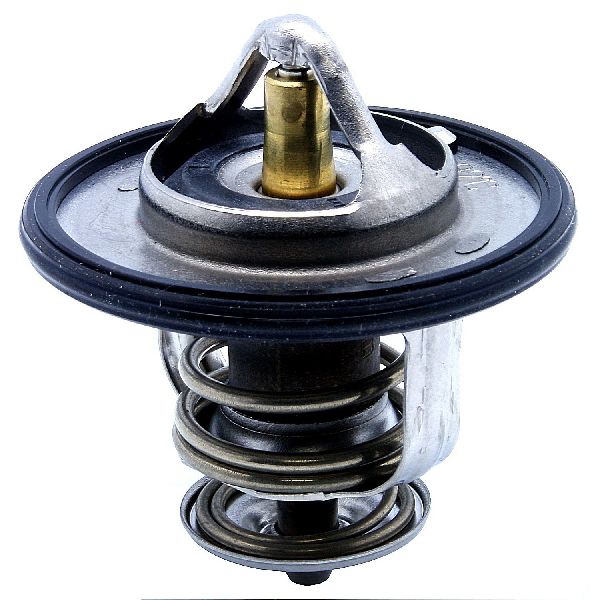
OEM Part Numbers: 1305A803
Standard thermostats for the Lancer are typically designed to open around 180°F (82°C) or 194°F (90°C) depending on the specific model and engine.
We Have This Part in Stock


The information in this article is provided for general reference and educational purposes only. Vehicle specifications, procedures, and part compatibility can vary by production date, trim level, and region. Always consult your vehicle's factory service manual and verify part numbers before purchasing or performing repairs. Safety-critical components such as airbags, seat belts, and braking systems should be installed by a qualified professional.
- Mitsubishi Lancer: