

Subaru Impreza Radiator Coolant Hose Guide (2009-2017)
Everything you need to know about replacing the radiator hoses on your 2009-2017 Subaru Impreza.
- Inspect the radiator's plastic inlet for cracks; it's a common failure point on Imprezas and can be mistaken for a bad hose.
- Aftermarket brands like Gates and Dayco are reliable, cost-effective alternatives to OEM hoses.
- Always replace the upper and lower radiator hoses at the same time for preventative maintenance.
- If you see the temperature gauge rising, pull over immediately to prevent catastrophic engine damage.
Is Your Impreza's Radiator Hose Failing?
Radiator hoses are made of rubber and are designed to handle high heat and pressure. Over time, they wear out. For the 2009-2017 Subaru Impreza, there are several clear signs that a hose needs replacement. Ignoring them can lead to being stranded with an overheated engine.
Key Failure Symptoms
- Coolant Leaks: This is the most common sign. You might see puddles of green, blue, or pink fluid under your car. You may also notice a sweet smell after driving. Leaks often start where the hose connects to the radiator or engine.
- Visible Damage: Look at the hoses. Cracks, splits, or bulging spots mean the hose is weak and could burst at any time. A swollen or spongy-feeling hose is a sign of internal damage, often from oil contamination.
- Engine Overheating: If your temperature gauge climbs into the red, a failing hose could be the cause. A collapsed hose can block coolant flow, leading to rapid overheating.
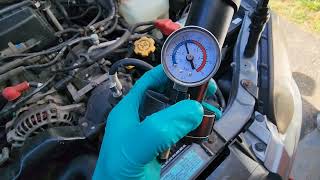
- Low Coolant Light: A frequent need to add coolant to the reservoir is a strong indicator of a leak somewhere in the system, and the hoses are a primary suspect. 🎬 Watch: How to pressure test your Subaru for coolant leaks.
Check the Radiator Itself!
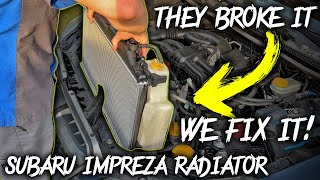
A common issue on these Imprezas is not the hose failing, but the plastic inlet on the radiator itself becoming brittle and breaking. An owner might find the upper hose has come completely off the radiator. Before ordering a new hose, always inspect the radiator's plastic connection point for cracks or breakage. If the plastic is broken, you will need to replace the entire radiator.
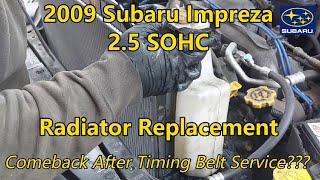
🎬 See this walkthrough on replacing a broken 2009 Impreza radiator.Choosing the Right Aftermarket Hose
When replacing your radiator hoses, you don't have to buy from the dealer. Quality aftermarket brands offer a reliable and more affordable option. For the 2009-2017 Impreza, the main choices are OEM, standard aftermarket, and performance silicone.
OEM vs. Aftermarket (Dayco & Gates)
OEM (Original Equipment Manufacturer) hoses are made by Subaru and are guaranteed to fit perfectly. However, they are usually the most expensive option.
Aftermarket hoses from brands like Dayco and Gates are excellent alternatives. Forum users and mechanics generally consider both to be good quality. Some users note that Gates hoses can have a slightly better fit and thicker walls, but both are considered reliable replacements. A minor issue can be that the original Subaru spring clamps are a very tight fit on new aftermarket hoses, but they can still be used. Given the quality and price, a reputable aftermarket hose is a smart choice for most owners.
Pro Tip: It is highly recommended to replace both the upper and lower radiator hoses at the same time. They have been exposed to the same conditions for the same amount of time. If one is failing, the other is likely not far behind.
Cost of Replacing Radiator Hoses (2009-2017 Subaru Impreza)
| Part Type | Estimated Cost |
|---|---|
| New Aftermarket Hoses (Dayco, Gates) | $18.00 - $38.97 (for a set) |
| New OEM Hoses (Subaru Dealer) | $45.00 - $75.00 (for a set) |
| Shop Labor | $100.00 - $300.00 |
| Total Professional Replacement (Aftermarket) | $120.00 - $340.00 |
Frequently Asked Questions
Are there any recalls for the 2009-2017 Impreza radiator hoses?
No. Searches of the National Highway Traffic Safety Administration (NHTSA) database show no recalls specifically for the radiator coolant hoses on this vehicle. There was a recall for some 2017 models to reprogram the radiator fan, but this did not involve the hoses themselves.
How difficult is it to replace the radiator hoses myself?
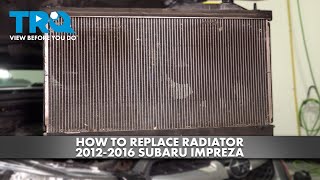
For a DIYer with some experience, this job is very feasible. It is considered intermediate difficulty and takes about 1-2 hours. The main steps involve draining the coolant, removing the old clamps and hoses, installing the new ones, and then refilling and bleeding the air out of the cooling system. 🎬 Watch this quick DIY guide for replacing your radiator and hoses. You will need tools like pliers (specialty hose clamp pliers are recommended), a drain pan, and a funnel.
Should I replace the hose clamps too?
It's a good idea. The original spring-style clamps can be reused if they are in good condition, but they can lose tension over time. Many mechanics prefer to install new worm-gear style clamps for peace of mind, but be careful not to overtighten them and damage the hose or the plastic fittings.
How often should I replace my radiator hoses?
There is no strict schedule, but as a preventative measure, many mechanics recommend replacing radiator hoses every four to five years or around 90,000 miles. If you are replacing your radiator or water pump, it is the perfect time to replace the hoses as well.
Helpful Videos

Technical Specifications
OEM Part Numbers: 45161AG000 45161FE050 45161AG010
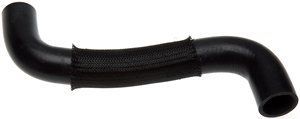
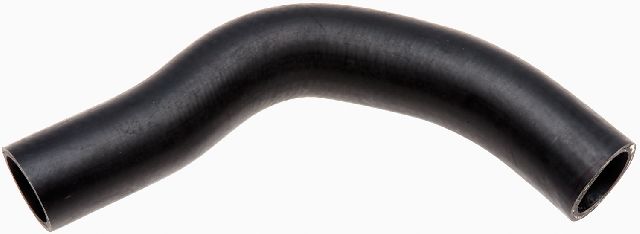
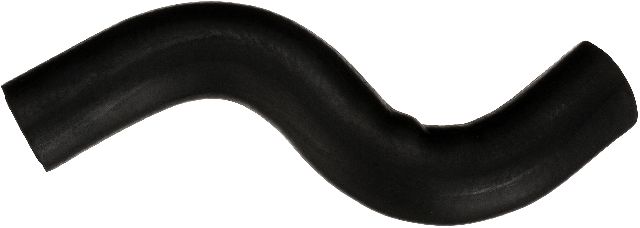
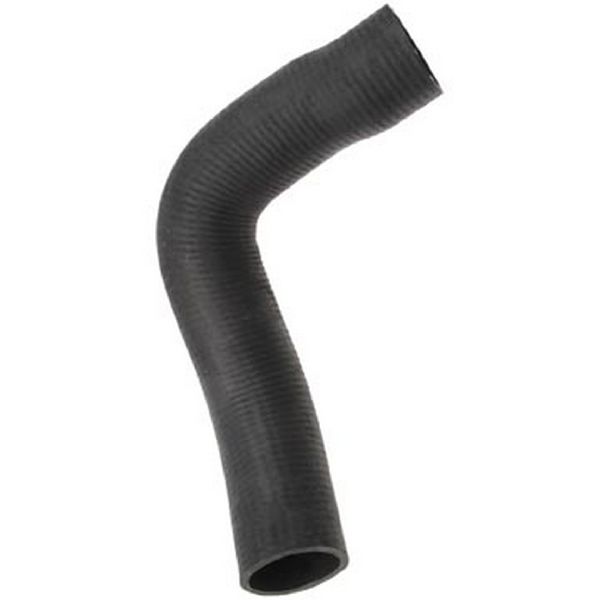
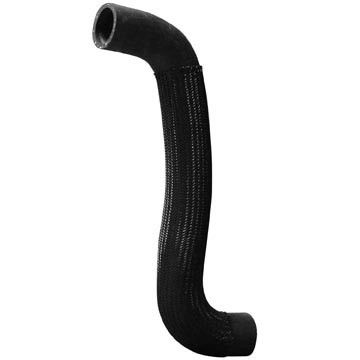
Fits 2009, 2010, 2011, 2012, 2013, 2014, 2015, 2016, 2017 Subaru Impreza models. Includes upper and lower hoses. Material is typically EPDM rubber for OEM and standard aftermarket.
We Have This Part in Stock

The information in this article is provided for general reference and educational purposes only. Vehicle specifications, procedures, and part compatibility can vary by production date, trim level, and region. Always consult your vehicle's factory service manual and verify part numbers before purchasing or performing repairs. Safety-critical components such as airbags, seat belts, and braking systems should be installed by a qualified professional.
- Subaru Impreza: