

Toyota Highlander Engine Mounts: A Guide for 2009-2017 Models
Eliminate excessive engine vibration and noise by understanding how to choose the right replacement engine mounts for your Highlander.
- The most common sign of a bad mount on a 2009-2017 Highlander is a strong vibration at idle when the car is in gear.
- Your Highlander has multiple mounts; the top 'dog bone' torque strut is often the easiest to inspect and replace.
- Aftermarket brands like Anchor and Westar offer significant cost savings but may not dampen vibration as effectively as OEM Toyota parts.
- Ignoring a failed mount can lead to damage to other components like exhaust pipes, hoses, and axles due to excessive engine movement.
Is Your Highlander Shaking? Signs of a Bad Engine Mount

When an engine mount fails on a 2009-2017 Toyota Highlander, the symptoms are hard to ignore. The original mounts are durable, but with age and mileage, the rubber can crack or the internal hydraulic fluid can leak, leading to problems. Here are the most common signs that you might need a replacement:
- Excessive Vibration: This is the most frequent complaint. You'll feel a deep vibration through the steering wheel, floor, or seats, especially when the SUV is idling in 'Drive' or 'Reverse'. The vibration often lessens when you shift into Neutral or Park.
- Loud Noises: A failing mount can cause clunking, thumping, or banging sounds from the engine bay. These noises are most noticeable when you accelerate, brake, or shift from Park into Drive or Reverse. This is the sound of the engine physically moving and hitting other parts because the mount can no longer hold it securely.
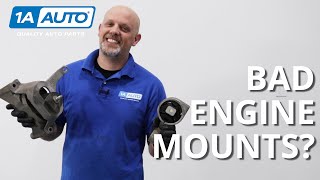
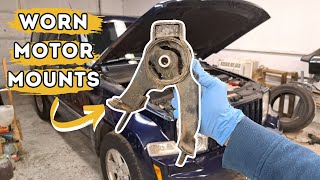
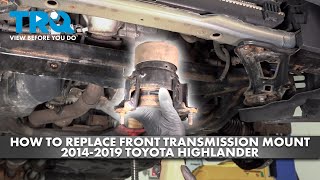
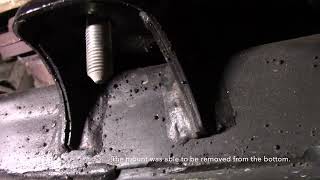
- Visible Engine Movement: If you have a helper, you can check for this. With the hood open and the parking brake on, have them shift between Drive and Reverse while holding the brake pedal. A bad mount will allow the engine to rock or lurch excessively. 🎬 Watch: How to locate and diagnose a bad engine mount.
- Rough Shifting: As you accelerate, gear shifts might feel jerky or harsh. This isn't necessarily a transmission problem; it can be caused by the engine shifting violently on a broken mount.
Choosing the Right Aftermarket Mount: OEM vs. Aftermarket

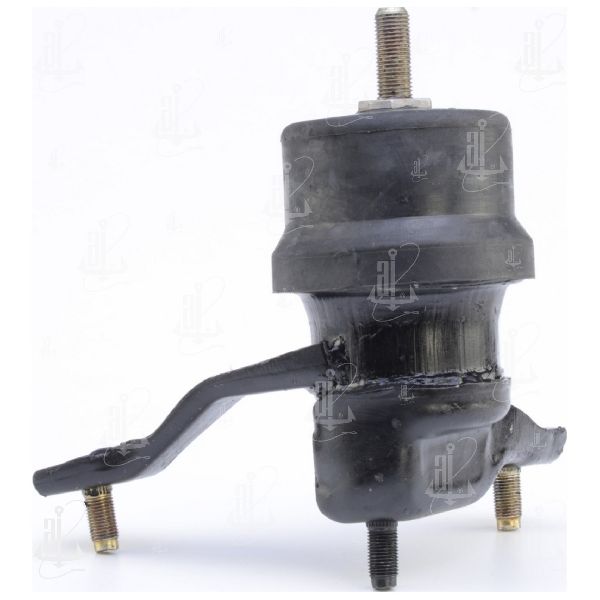
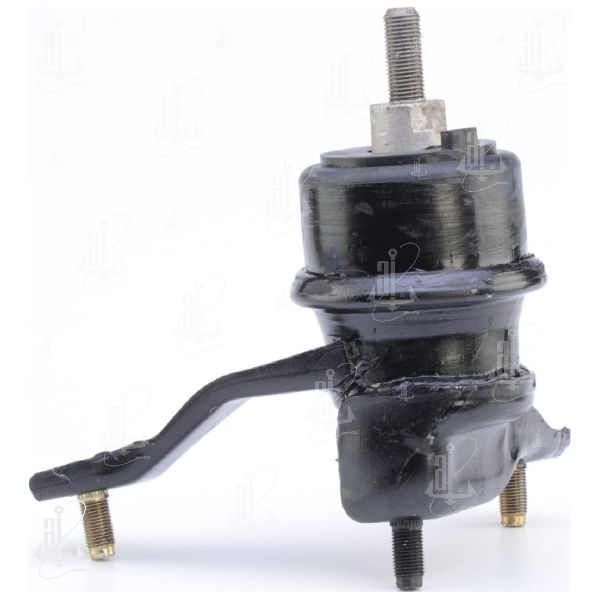
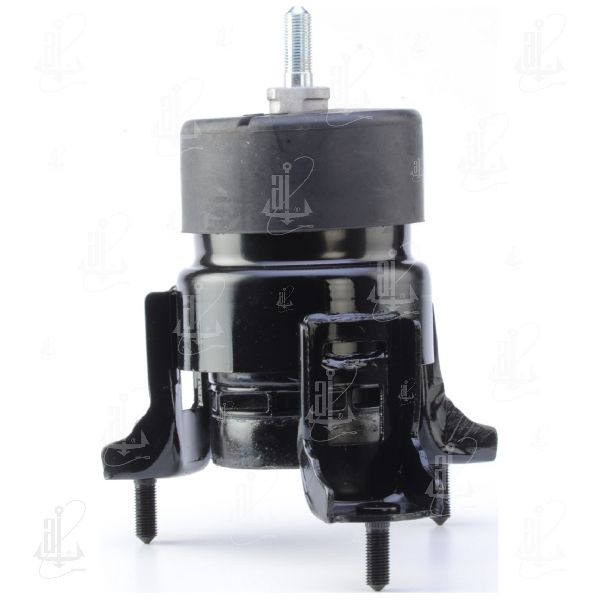
When replacing your Highlander's engine mounts, you have a choice between original Toyota (OEM) parts and aftermarket brands. For this specific vehicle, some mounts are hydraulic, meaning they are filled with fluid to better dampen vibrations. This is a key factor in your decision.
- OEM (Original Equipment Manufacturer): Genuine Toyota mounts are engineered for your vehicle and generally offer the best fit, vibration absorption, and longest lifespan. However, they are the most expensive option.
- Aftermarket Mounts: Brands like Anchor, DEA, and Westar offer a more affordable alternative. These are a practical choice if you are on a budget. However, forum discussions and reviews show mixed results; some users find them adequate, while others report they don't dampen vibrations as well as OEM or fail prematurely. They can be a good value, but may not be the best choice if your top priority is restoring the original smooth, quiet ride.
Brand Tiers for Your Highlander
Economy Tier (Anchor, DEA, Westar): These brands provide a low-cost solution to fix a completely failed mount. They will secure the engine, but may transmit more vibration into the cabin compared to the original parts. They are a viable option for a budget-conscious repair, but don't expect OEM-level quietness or longevity.
OEM-Equivalent (Beck Arnley, Pioneer): Some aftermarket brands focus on closely matching the original part's quality and design. While still more affordable than genuine Toyota parts, they often provide better performance and durability than economy options.
Cost of Replacing Toyota Highlander Engine Mounts (2009-2017)

The total cost depends on how many mounts you replace and whether you do the work yourself or hire a professional. A Highlander has multiple mounts (typically four, including a top torque strut). Labor costs can vary significantly depending on which mount is being replaced, as some are much harder to access than others.
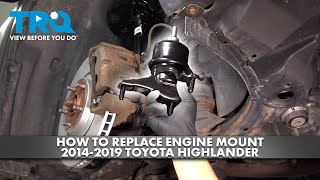
🎬 See this step-by-step guide for replacing a Highlander engine mount.| Part Type | Estimated Cost (Per Mount) |
|---|---|
| New OEM | $80 - $250 |
| New Aftermarket | $12 - $137 |
| Shop Labor | $100 - $500+ |
Frequently Asked Questions

How many engine mounts does a 2009-2017 Highlander have?
Most 2009-2017 Highlanders, whether V6 or 4-cylinder, have a system of four mounts. This typically includes a front mount, a rear mount, a transmission mount (left side), and a top torque strut mount (often called a 'dog bone').
🎬 Watch: A quick overview of the Highlander's engine mount locations.Can I replace just one bad engine mount?
Yes, you can replace only the failed mount. However, keep in mind that all the mounts work together. When one fails, it puts extra stress on the others, which can cause them to fail sooner. It is a good practice to inspect all mounts when one is being replaced. The top torque strut is often the first to show wear and is the easiest to replace.
Are aftermarket mounts as good as OEM for my Highlander?
For a Highlander, which is known for its smooth ride, OEM mounts are generally superior in damping vibrations, especially the hydraulic types. Aftermarket mounts from brands like Anchor or DEA are a functional, budget-friendly repair but may result in a noticeable increase in cabin vibration compared to the original parts. If your goal is to restore the factory-new feel, investing in OEM or premium aftermarket parts is recommended.
What happens if I don't replace a bad engine mount?
Ignoring a failed engine mount can lead to more serious issues. The constant, excessive engine movement can damage other components, including coolant hoses, wiring, exhaust pipes, and even the transmission. The ride will also become increasingly uncomfortable and noisy.
Are there any recalls for Highlander engine mounts?
As of early 2026, there are no specific recalls or widespread Technical Service Bulletins (TSBs) from Toyota or the NHTSA for engine mount failure on the 2009-2017 Toyota Highlander.
Helpful Videos
Technical Specifications
OEM Part Numbers: 12363-0P100 12363-20141 12361-0P060 12371-0P050 12362-0V060 12380-31060
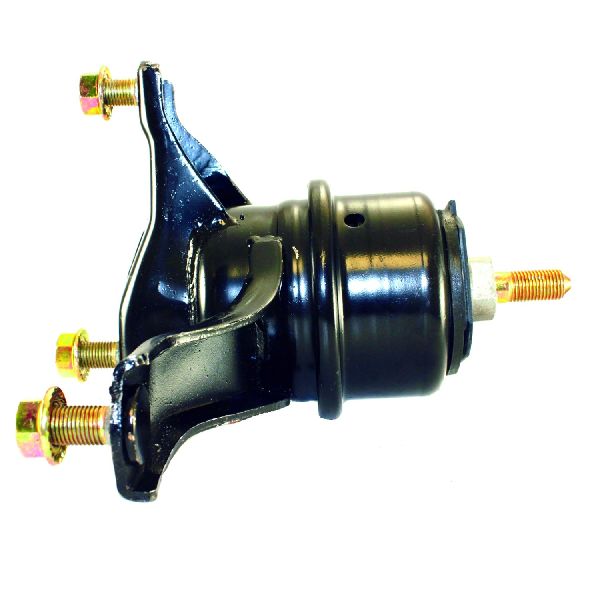
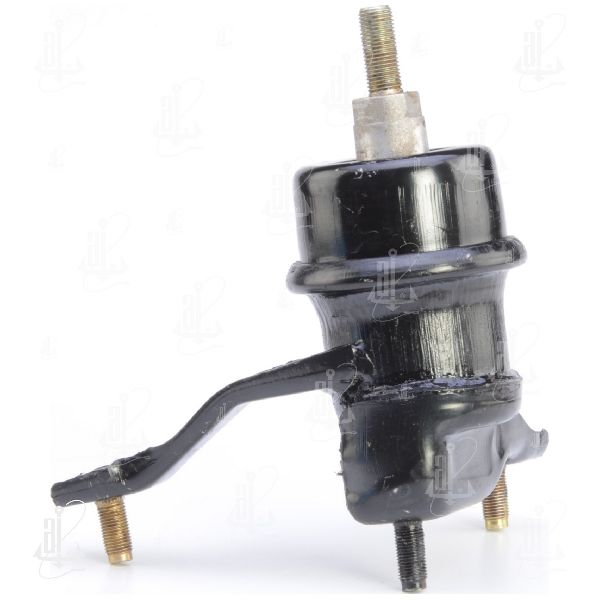
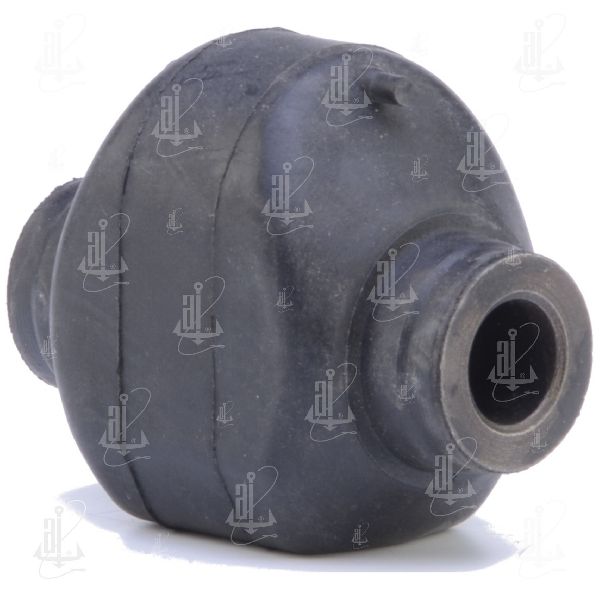
The 2009-2017 Toyota Highlander uses a set of four engine and transmission mounts. This includes front, rear, and side (transmission) mounts, as well as an upper torque strut mount. Some of the primary load-bearing mounts are hydraulic (fluid-filled) to provide superior vibration damping, while others are solid rubber.
We Have This Part in Stock

The information in this article is provided for general reference and educational purposes only. Vehicle specifications, procedures, and part compatibility can vary by production date, trim level, and region. Always consult your vehicle's factory service manual and verify part numbers before purchasing or performing repairs. Safety-critical components such as airbags, seat belts, and braking systems should be installed by a qualified professional.
- Toyota Highlander: