

A VW CC Owner's Guide to the Engine Coolant Temperature Sensor (2009-2017)
Fixing common issues like a faulty temp gauge or poor fuel economy starts with understanding this critical sensor.
- A failing ECT sensor can cause poor fuel economy, an erratic temperature gauge, and engine overheating.
- Replacement is a simple, low-cost DIY job for most owners, typically taking less than an hour.
- For best results, choose a reputable aftermarket brand like Hella, Vemo, Delphi, or Beck Arnley over cheaper, unproven options.
- Common fault codes associated with a bad sensor are P0117 (Circuit Low) and P0118 (Circuit High).
Is a Bad Coolant Temperature Sensor Causing Your VW CC's Problems?

A failing Engine Coolant Temperature (ECT) sensor in your 2009-2017 Volkswagen CC can cause a surprising number of issues. Because the sensor's reading affects so many engine functions, a bad signal can lead to everything from a jumpy temperature gauge to poor engine performance. Ignoring the symptoms can lead to reduced fuel economy, increased emissions, and potentially more serious engine problems if the cooling fans don't operate correctly.
Key Symptoms of a Failing ECT Sensor:
- Check Engine Light: The most common sign is an illuminated Check Engine Light on your dashboard.
- Erratic Temperature Gauge: The gauge may swing from cold to hot or provide no reading at all.
- Poor Fuel Economy: If the ECU thinks the engine is always cold, it will continuously run a rich fuel mixture, wasting gas.
- Black Smoke or Rough Idle: An incorrect fuel mixture can cause black smoke from the exhaust, rough idling, or even stalling.
- Engine Overheating: A faulty sensor might fail to trigger the cooling fans, leading to overheating, especially in traffic.
Choosing the Right Aftermarket Sensor for Your CC

When replacing the ECT sensor, you don't necessarily need to buy a part from the Volkswagen dealer. Many aftermarket brands produce high-quality sensors that meet or exceed original equipment (OE) specifications. For a simple but critical part like this, choosing a reputable aftermarket brand offers the best balance of quality and value. Cheap, low-quality sensors are known to fail prematurely, so it's wise to invest in a reliable brand.
Aftermarket Brand Tiers for Your Volkswagen CC
Not all aftermarket parts are created equal. Here’s a breakdown of the available brands to help you make an informed choice:
- Tier 1 (OE-Quality): These brands are often original equipment suppliers to Volkswagen and other German automakers. They offer the highest quality and reliability outside of a dealer-branded box. Brands like Hella, Vemo, and Delphi fall into this category. They are trusted for their engineering and durability.
- Tier 2 (Reputable Aftermarket): These brands are well-known in the aftermarket for providing good quality parts that are a solid alternative to OE. Beck Arnley, Standard Ignition (SMP), and NGK are reliable choices. Beck Arnley is known for sourcing parts from OE manufacturers, so you might even get an OE part in their box.
- Tier 3 (Value-Oriented): Brands like Four Seasons, Motorad, Holstein, Facet, and True Tech offer a more budget-friendly option. While they can get the job done, their long-term reliability and manufacturing consistency may not match the higher-tiered brands. These are best suited for those on a tight budget who need a quick fix.
Pro Tip: For critical electronic sensors on a German vehicle like your CC, sticking with Tier 1 or Tier 2 brands is highly recommended to avoid repeat repairs. The small price difference is often worth the peace of mind.
How Much Does a Replacement Cost?

Replacing the ECT sensor is one of the more affordable repairs you can perform on your CC. The part itself is inexpensive, and if you're comfortable with DIY, you can save significantly on labor costs.
| Item | Estimated Cost |
|---|---|
| New Aftermarket Sensor | $13 - $44 |
| New OEM Sensor | $25 - $50 |
| Shop Labor | $60 - $120 |
| Total (Shop Repair) | $73 - $164 |
Frequently Asked Questions (FAQ)

Where is the engine coolant temperature sensor located on the 2009-2017 VW CC?
On the 2.0T TSI engine found in most CC models, the primary engine coolant temperature sensor (often called G62) is typically located on a coolant pipe or on the water pump/thermostat housing at the front of the engine. You may need to remove the plastic engine cover to see it. It is held in place by a small clip and has an electrical connector attached.
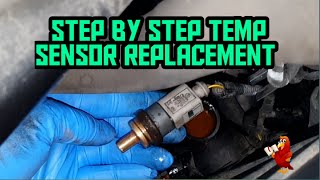
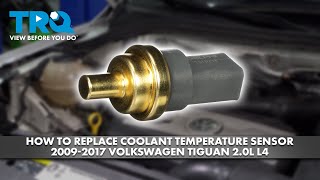
🎬 See how to access and swap the sensor on this engine.Is this a difficult DIY job?
For most home mechanics, this is a relatively easy job. The main steps involve letting the engine cool, disconnecting the electrical connector, pulling a retaining clip, and swapping the old sensor for the new one. Some coolant will spill, so it's best to have a catch pan ready and be prepared to swap the sensors quickly to minimize loss. The difficulty is generally rated as low, taking under an hour to complete.
🎬 Watch this quick walkthrough of a VW coolant sensor replacement.Are there any recalls or TSBs for the coolant sensor on the VW CC?
Searches did not reveal any specific recalls or Technical Service Bulletins (TSBs) for the engine coolant temperature sensor itself on the 2009-2017 VW CC. However, there have been recalls and service actions for other cooling system components, like coolant valves and water pumps, which can cause related symptoms. For example, a service action (19O3) was issued for some VW models concerning a leaking coolant bottle that could affect the coolant level sensor connector. Always check your VIN on the NHTSA or VW website for any open recalls.
What happens if I don't replace a bad sensor?
Continuing to drive with a faulty ECT sensor is not recommended. Your engine may run poorly, burn excessive fuel, and fail emissions tests. In a worst-case scenario, the sensor could fail to signal an overheating condition or fail to activate the cooling fans, putting your engine at risk of severe damage from overheating.
Helpful Videos
Technical Specifications
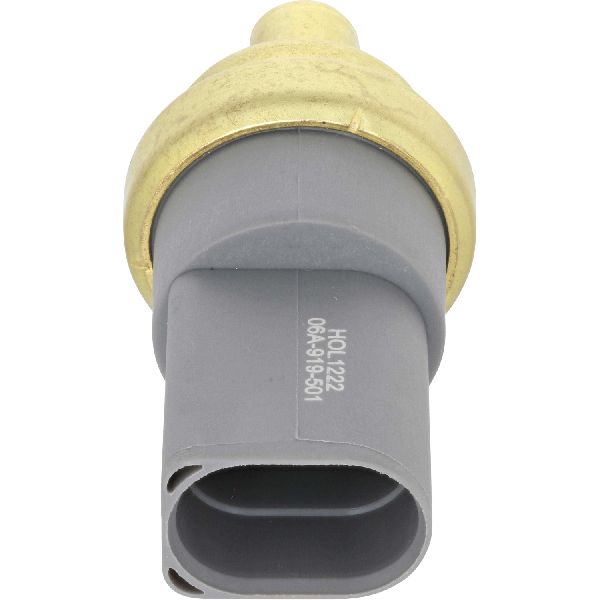
OEM Part Numbers: 06A919501A 059919501A
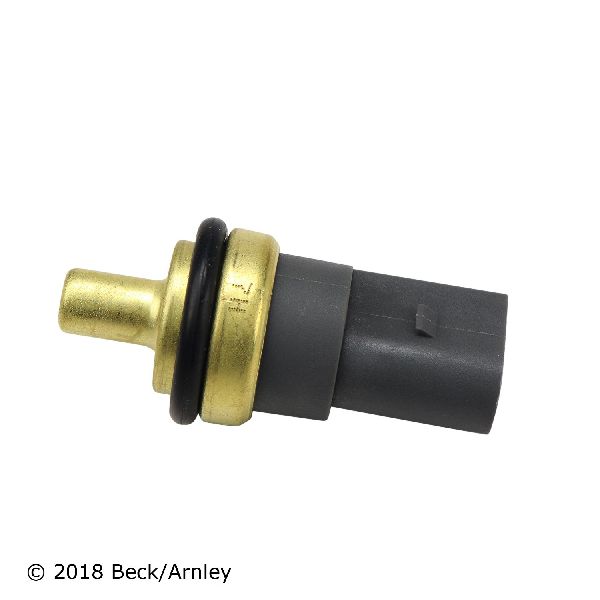
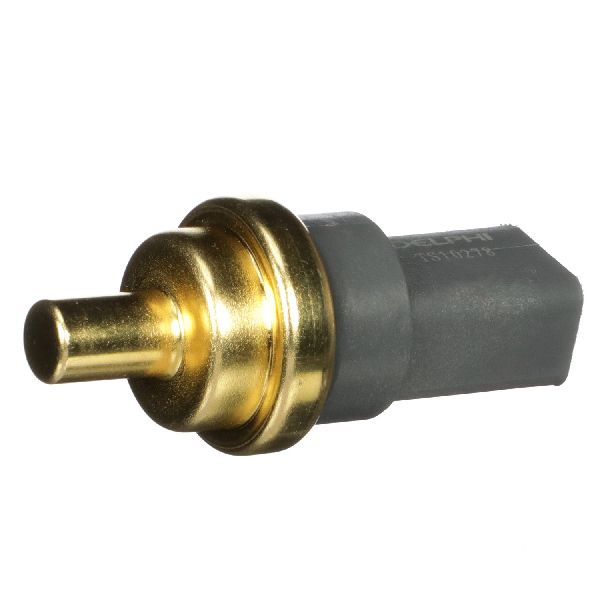
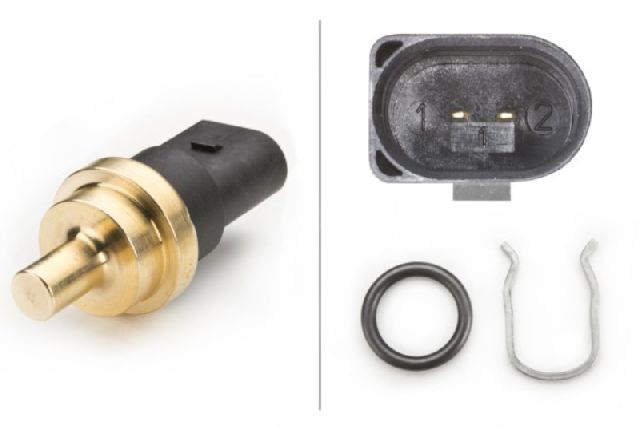
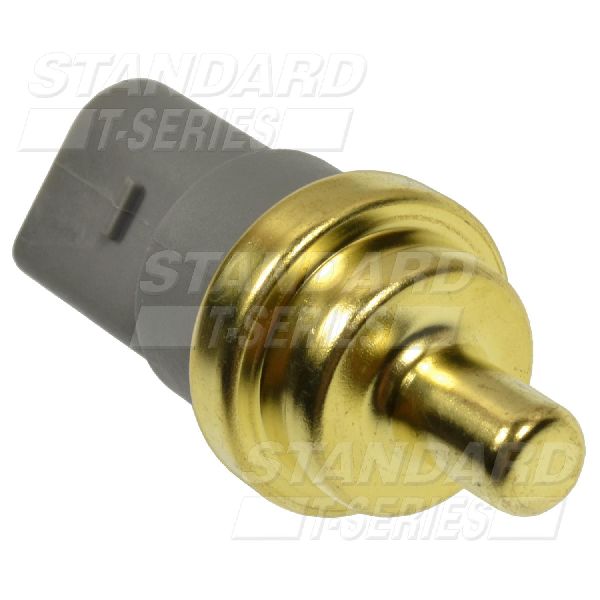
The sensor is a thermistor, meaning its electrical resistance changes with temperature. It is typically a 2-pin or 4-pin sensor held in place by a plastic clip and sealed with a rubber O-ring.
We Have This Part in Stock


The information in this article is provided for general reference and educational purposes only. Vehicle specifications, procedures, and part compatibility can vary by production date, trim level, and region. Always consult your vehicle's factory service manual and verify part numbers before purchasing or performing repairs. Safety-critical components such as airbags, seat belts, and braking systems should be installed by a qualified professional.
- Volkswagen CC:
- 🎬 Helpful Videos
- 🛍️ Shop This Part
- Is a Bad Coolant Temperature Sensor Causing Your VW CC's Problems?
- Key Symptoms of a Failing ECT Sensor:
- Choosing the Right Aftermarket Sensor for Your CC
- Aftermarket Brand Tiers for Your Volkswagen CC
- How Much Does a Replacement Cost?
- Frequently Asked Questions (FAQ)
- 🎟️ Get 5% Off