

Volkswagen CC Engine Oil Pan Guide: Leaks, Damage, and Replacement (2009-2017)
Dealing with an oil leak on your 2009-2017 VW CC? Here’s what you need to know before you buy a new oil pan.
- First, confirm the leak is from the oil pan itself and not a stripped drain plug or a leak from the upper timing cover.
- The 2.0T and 3.6L V6 engines use different oil pans; ensure you order the correct one for your vehicle.
- The oil pan is sealed with RTV silicone, not a physical gasket. The mating surfaces must be perfectly clean for a good seal.
- Always use new bolts (if required by the new pan), a new drain plug, and fresh oil and filter when replacing the pan.
Is Your Volkswagen CC Leaking Oil?
A puddle of dark oil on the driveway is a common reason CC owners start looking for a new oil pan. Because the pan sits at the lowest point of the engine, it's vulnerable to damage from road debris, speed bumps, and potholes. Over time, corrosion can also take its toll. However, before you buy a whole new pan, it's important to know that the leak could also be from a stripped drain plug or a failing gasket seal. A very common oil leak on the 2.0T engine is actually from the upper timing chain cover, which can drip down and look like an oil pan leak.
Check the Drain Plug First
The threads on the oil pan and the drain plug can strip over time from repeated oil changes. This is a very common failure. If the leak is coming directly from the drain plug, you may only need to replace the plug and its washer, or install an oversized drain plug repair kit, which is much cheaper and easier than replacing the entire pan.
Choosing the Right Aftermarket Oil Pan
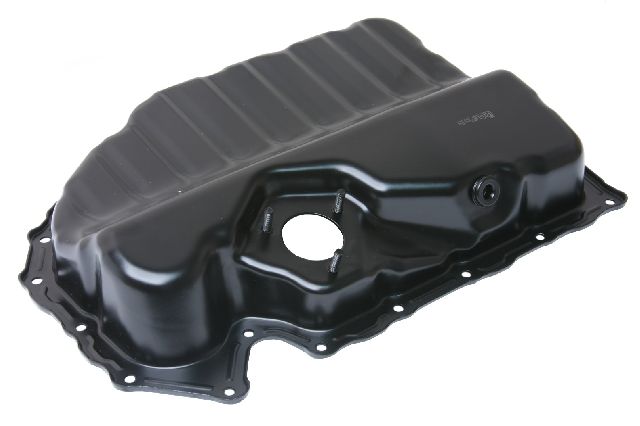
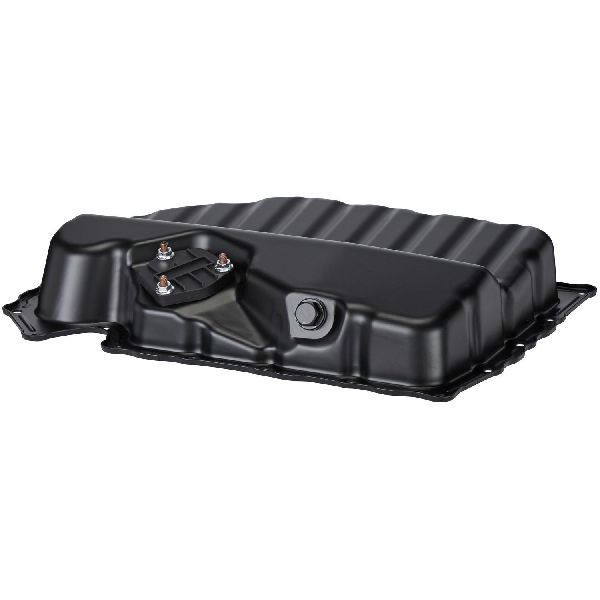
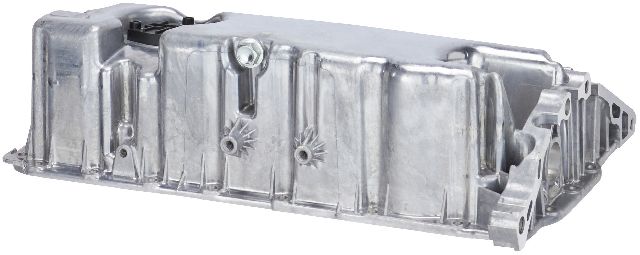
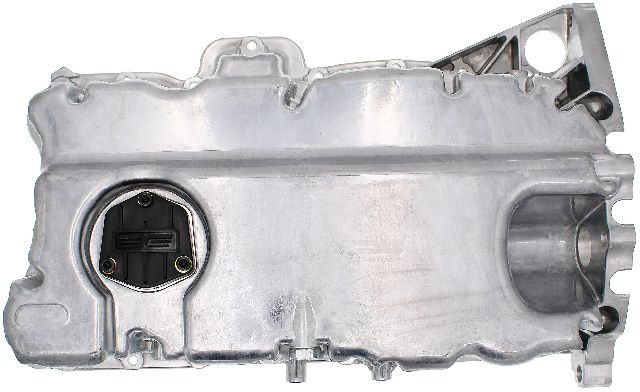
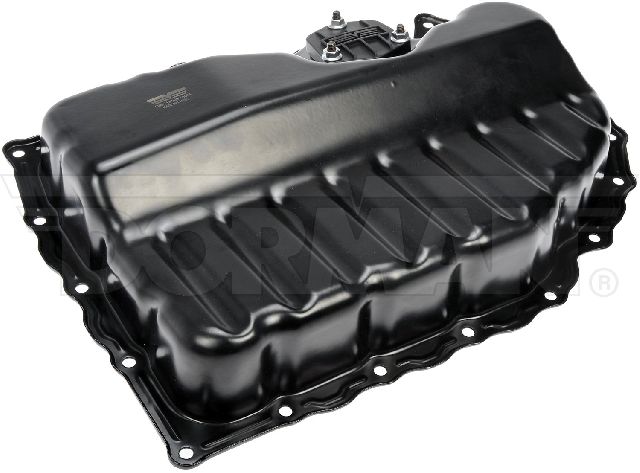
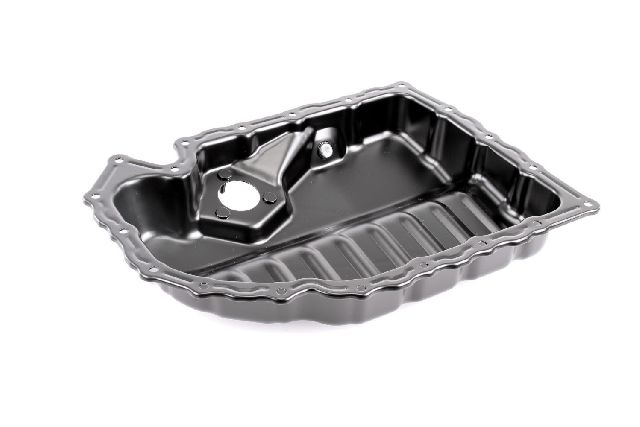
When replacing your CC's oil pan, you don't have to buy an expensive OEM part from the dealer. Aftermarket brands offer quality replacements that often meet or exceed original specifications. The original pans on the CC are typically made of stamped steel (for the 2.0T) or cast aluminum (for the 3.6L V6). Aftermarket options are available in both materials.
Aftermarket Brand Tiers for VW CC
- Premium Aftermarket (e.g., Vaico, Spectra Premium): Brands like Vaico are often suppliers to German car manufacturers, so their quality is trusted. Spectra is also a well-regarded brand known for good engineering and fitment. These are solid choices for a reliable, long-lasting repair.
- Standard Aftermarket (e.g., Dorman): Dorman is one of the largest aftermarket manufacturers and offers direct replacement pans. They are a dependable, widely available option and sometimes offer improved designs over the original.
- Economy Aftermarket (e.g., URO Parts, ATP): These brands provide a budget-friendly solution. While they can be a good value, quality can sometimes be inconsistent. They are best suited for situations where keeping repair costs to a minimum is the top priority.
Steel vs. Aluminum
For the 2.0T engine, you can find both steel and aluminum replacement pans. Stamped steel pans can dent upon impact but are less likely to crack than cast aluminum. If you have lowered your CC or frequently drive on rough roads, a steel pan might offer more durability against impacts.
Cost of Replacing a VW CC Oil Pan
| Part/Service | Estimated Cost |
|---|---|
| New OEM Oil Pan | $200 - $450+ |
| New Aftermarket Oil Pan | $76 - $754 |
| Shop Labor | $183 - $378 |
| Total Professional Replacement | $511 - $1300+ |
Costs are estimates and can vary based on your location, engine type (2.0T vs 3.6L), and the specific parts used. The 3.6L V6 replacement is often significantly more expensive.
Frequently Asked Questions (FAQ)
Do I need a new gasket or sealant?
The 2009-2017 VW CC does not use a pre-made physical gasket for the oil pan. It uses a special RTV (Room Temperature Vulcanizing) silicone sealant. You must buy a quality, sensor-safe RTV sealant and apply a bead to the new pan before installation. Proper cleaning of the engine block surface is critical for a leak-free seal.
Are there any recalls for the VW CC oil pan?
There are no specific recalls from the NHTSA for the engine oil pan on the 2009-2017 Volkswagen CC. However, other oil leak-related recalls have been issued for similar models, so it's always wise to check your VIN for any open campaigns.
Is the oil pan different for the 2.0T and 3.6L VR6 engines?
Yes, the oil pans are different. The 2.0T four-cylinder engine and the 3.6L VR6 six-cylinder engine have different block designs and require specific oil pans. The 2.0T typically uses a stamped steel pan, while the V6 uses a cast aluminum pan. Always verify the part fits your specific engine before purchasing.
What if my pan has a hole for an oil level sensor and my car doesn't?
Some aftermarket pans are designed to fit multiple vehicle variations and may come with a port for an oil level sensor. If your CC is not equipped with this sensor, ensure the replacement pan comes with a secure plug or block-off plate for that hole. Some pans are sold specifically for models without the sensor.
Should I replace any other parts at the same time?
Absolutely. Always use a new oil drain plug and washer with a new pan. It's also the perfect time for an oil and filter change. While the pan is off, it's a good practice to inspect the oil pump pickup tube for any debris or sludge.
Technical Specifications
OEM Part Numbers: 06J103600AF 06J103600E 06J103600G 06J103600T 03C103603T
Material: Stamped Steel or Cast Aluminum. Gasket Type: RTV Sealant. Drain Plug Thread: M14x1.50 (varies). Bolt Holes: 20 (for 2.0T). Capacity: Approx. 4.9 - 6.3 quarts (varies by engine and pan).
We Have This Part in Stock

The information in this article is provided for general reference and educational purposes only. Vehicle specifications, procedures, and part compatibility can vary by production date, trim level, and region. Always consult your vehicle's factory service manual and verify part numbers before purchasing or performing repairs. Safety-critical components such as airbags, seat belts, and braking systems should be installed by a qualified professional.
- Volkswagen CC: