

A Guide to Intercooler Hose Replacement for the 2009-2017 Volkswagen CC
If your turbocharged CC feels sluggish, a failing intercooler hose could be the reason.
- A sudden loss of power accompanied by a hissing sound and a P0299 code strongly indicates a failed intercooler hose.
- Oil saturation from the PCV system is a primary cause of hose failure; inspect hoses for swelling or softness.
- Quality aftermarket brands like Gates or Vaico can be reliable, cost-effective alternatives to OEM parts.
- When replacing a hose, it is highly recommended to also replace the clamps to ensure a secure, leak-free seal.
Is Your CC Losing Power? Check the Hoses
A failing intercooler hose is a common issue on the 2.0T TSI engine. The original rubber hoses can become brittle over time due to heat and exposure to oil vapor from the engine's crankcase ventilation system. This leads to cracks, splits, or soft spots that can't hold pressure.
Symptoms of a Failing Intercooler Hose
- Sudden Loss of Power: The most obvious sign is a major drop in acceleration. The car will feel sluggish, like the turbo isn't working at all.
- Hissing or Whooshing Sounds: You may hear a distinct hissing noise from the engine bay when you accelerate, which is the sound of boost pressure escaping from a leak.
- Check Engine Light: A significant boost leak will often trigger a Check Engine Light. The most common trouble code associated with this is P0299 - Turbo/Supercharger Underboost.
- Reduced Fuel Economy: When the engine isn't getting the right amount of air, its efficiency drops, leading to worse gas mileage.
- Oily Residue: It's normal for a small amount of oil film to be inside the turbo system. If you see oily grime on the outside of a hose, it's a good sign that the hose is failing and oil vapor is seeping through.
Known Issues: Oil Contamination & Weak Points
The 2.0T engine's PCV (Positive Crankcase Ventilation) system can allow oil vapor to coat the inside of the intercooler hoses. Over time, this oil degrades the rubber, making it soft, swollen, and prone to splitting. The connection points, especially the quick-connect fittings, can also wear out and cause leaks or allow the hose to blow off completely under boost.
Choosing the Right Aftermarket Hose
When your original hoses fail, you have a choice between OEM and aftermarket replacements. For a part like a hose, a quality aftermarket brand can offer similar or even better performance than the original, often at a lower cost.
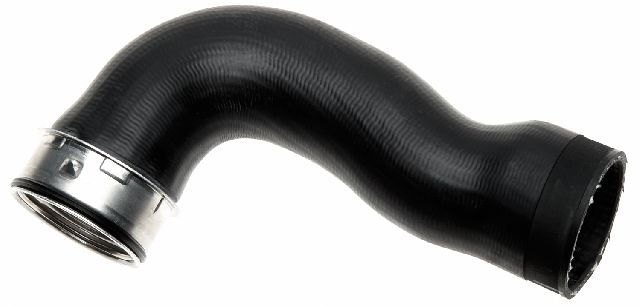
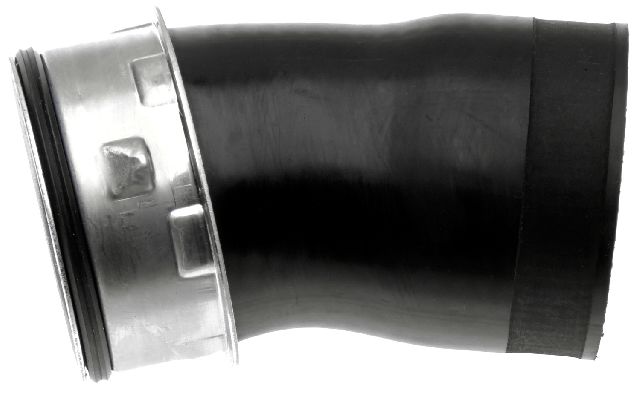
- Gates: A well-respected brand that is often an original equipment supplier to many automakers. Gates hoses are known for their durability and precise fit, often featuring oil-resistant liners to combat degradation.
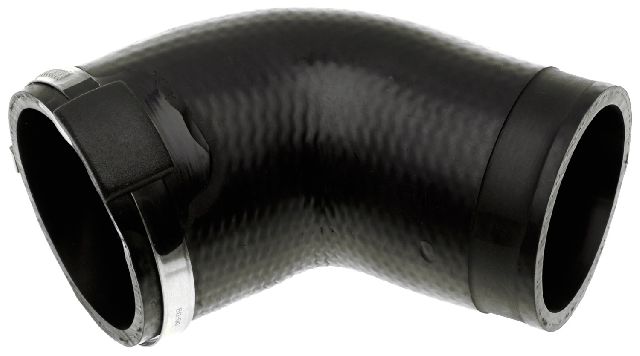
- Vaico: A German brand that produces a wide range of aftermarket parts. They are generally considered a good quality alternative to OEM parts and are a popular choice in the European car community.
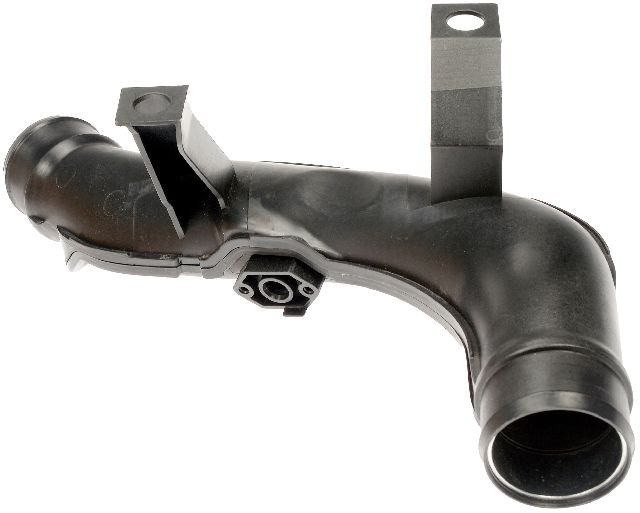
- Dorman: A widely available aftermarket brand that produces a huge variety of replacement parts. While some Dorman parts have mixed reviews, their intercooler hoses are a common, budget-friendly option. Some users suggest reusing original factory clamps with Dorman hoses for a better seal.
Pro Tip: Replace the Clamps, Too
It's always a good idea to replace the hose clamps when you replace the hoses, especially if they are the original spring-style clamps. New worm-gear or T-bolt clamps can provide a more secure and reliable seal, preventing future leaks.
Cost of Replacing an Intercooler Hose
The cost can vary depending on which hose needs replacement (there are multiple sections) and your choice of parts and labor.
| Part/Service | Estimated Cost |
|---|---|
| New OEM Hose | $150 - $300+ |
| New Aftermarket Hose | $88 - $195 |
| Shop Labor | $125 - $250 |
| Total Estimated Cost (DIY) | $88 - $195 |
| Total Estimated Cost (Shop) | $213 - $445 |
Frequently Asked Questions (FAQ)
Can I drive my CC with a leaking intercooler hose?
You can, but it's not recommended for long. The car will have very poor performance, get bad gas mileage, and could put extra strain on the turbocharger as it tries to compensate for the lost pressure. It's best to get it fixed as soon as possible.
Should I replace both the hot and cold side hoses at the same time?
If one hose has failed due to age and oil saturation, the others are likely not far behind. While not strictly necessary, replacing all the main intercooler hoses at once can be a good preventative measure and save you from having to do the job again in the near future.
Is this a difficult DIY job?
For a moderately experienced DIY mechanic, this is a manageable job. Access to the clamps can be tight, and removing the front bumper or splash shields may be necessary. It requires basic hand tools like sockets, screwdrivers, and potentially hose clamp pliers.
Are there any recalls for the intercooler hoses on the 2009-2017 CC?
No, there are no specific recalls for intercooler hose failure on the 2009-2017 Volkswagen CC. There was a recall for some newer VW models where the radiator could detach from the intercooler and damage a coolant hose, but this does not apply to the CC.
Technical Specifications
OEM Part Numbers: 1K0145834AJ
The intercooler system on the 2.0T engine consists of multiple hoses, including a 'hot side' hose from the turbo to the intercooler and a 'cold side' hose from the intercooler to the throttle body. They are typically made of reinforced rubber or silicone to withstand pressure and heat.
We Have This Part in Stock
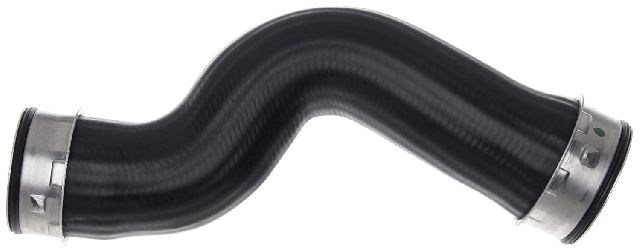
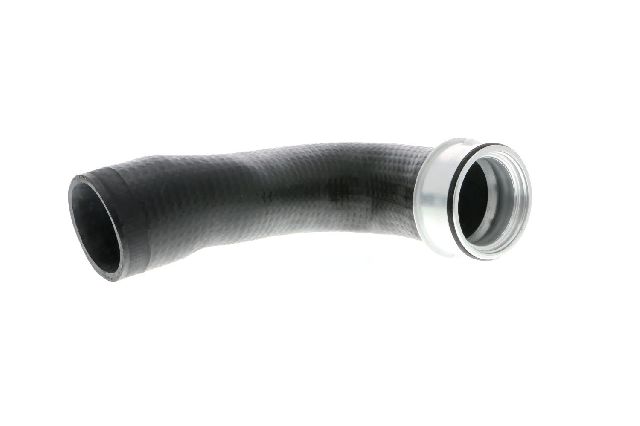

The information in this article is provided for general reference and educational purposes only. Vehicle specifications, procedures, and part compatibility can vary by production date, trim level, and region. Always consult your vehicle's factory service manual and verify part numbers before purchasing or performing repairs. Safety-critical components such as airbags, seat belts, and braking systems should be installed by a qualified professional.
- Volkswagen CC: