

Audi A6 Engine VVT Solenoid Guide (2009-2018): Symptoms and Replacement
Is your Audi A6 running rough or showing a check engine light? It could be a faulty VVT solenoid.
- A bad VVT solenoid will cause a check engine light, rough idle, and poor fuel economy.
- Dirty engine oil is the primary cause of failure; always use the correct oil and adhere to service intervals.
- Replacement is simple for a DIYer, but choosing a quality aftermarket brand is important to avoid repeat failures.
- A brief (1-2 second) engine rattle on a cold start can be normal for these engines and is not necessarily a sign of a bad solenoid.
Is Your Audi A6 VVT Solenoid Failing?
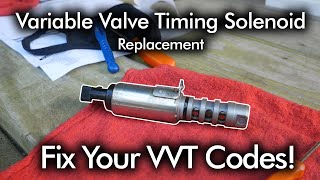
A failing VVT solenoid, also known as a camshaft adjuster magnet, can cause noticeable problems with your engine's performance. The most common cause of failure is contaminated or old engine oil, which can clog the small passages inside the solenoid and cause it to stick. Keeping up with regular oil changes using the manufacturer-specified oil is the best way to prevent this issue.
Check Engine Light and Performance Issues
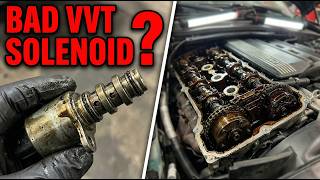
The most obvious sign of a problem is a check engine light on your dashboard. You may also experience a rough and shaky idle, engine hesitation when accelerating, poor fuel mileage, and in some cases, the engine may stall at low speeds. An engine rattling or ticking noise that is not just present for a second or two at startup can also point to a bad solenoid.
Choosing the Right Aftermarket VVT Solenoid
When replacing the VVT solenoid on your A6, you have a choice between original equipment (OEM) and aftermarket parts. While OEM parts are a guaranteed fit and quality, they come at a much higher price. Quality aftermarket parts can offer similar performance for a fraction of the cost.
- Premium Aftermarket (Vaico, Vemo, Standard Ignition): Brands like Vaico and Vemo are German aftermarket brands known for producing parts that meet or exceed OEM standards, often marked with a 'Q+' quality seal. They are a reliable choice for European vehicles. Standard Ignition is another reputable brand known for durable construction. These brands provide a good balance of quality and value.
- Reputable Aftermarket (Dorman, Gates): Dorman is a well-known brand that produces a vast range of parts and sometimes improves on factory designs. Gates is a trusted name in engine timing components, and their solenoids are built to OE specifications.
- Budget-Friendly Options: While the lowest-priced solenoids found on sites like Amazon are tempting, they can be a gamble. Some owners report that cheap, unbranded parts fail quickly or don't solve the original check engine light codes. It is often better to spend slightly more on a recognized brand to avoid doing the job twice.
A Note on Engine Noise
According to Audi Technical Service Bulletin 2010294/5, a brief rattle or knocking noise from the engine for 1-2 seconds after a cold start is considered normal. This happens as oil pressure builds in the camshaft adjusters. Do not replace the VVT solenoids or adjusters for this specific noise alone.
| Part Type | Estimated Part Cost |
|---|---|
| New OEM | $200 - $550 |
| New Aftermarket | $34 - $219 |
| Shop Labor | $150 - $500 |
Cost estimates are approximate and can vary based on your vehicle's specific engine, your location, and the repair shop.
Frequently Asked Questions
Can I clean a VVT solenoid instead of replacing it?
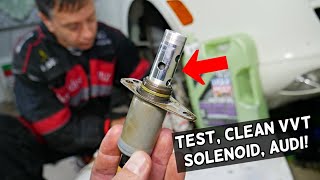
In some cases, if the solenoid is just sticking due to oil sludge, it can be removed and cleaned with a suitable solvent like intake cleaner. You can also test it with a 9-volt or 12-volt battery to see if it actuates. However, if the solenoid has an internal electrical failure or is worn out, cleaning will not fix the problem and replacement is necessary.
How many VVT solenoids does my Audi A6 have?
The number of VVT solenoids depends on your engine. V6 and V8 engines will have multiple solenoids (often two or four), typically one for each camshaft. Four-cylinder engines may have one or two. It is important to identify which solenoid is faulty, usually with a diagnostic scan tool that specifies the camshaft position (e.g., 'Bank 1, Intake').
Is an aftermarket VVT solenoid good enough for my Audi?
Yes, a high-quality aftermarket solenoid from a reputable brand is a perfectly acceptable replacement. Brands that specialize in European cars, like Vaico, or established brands like Standard and Gates, offer a reliable alternative to the more expensive OEM part. Avoid the cheapest no-name options, as their quality and longevity can be poor.
What causes a VVT solenoid to fail?
The number one cause of failure is dirty or incorrect engine oil. Sludge and contaminants in the oil can clog the fine mesh screens and internal passages of the solenoid, causing it to stick or fail. Other causes include normal wear and tear over time and electrical issues within the solenoid itself.
Helpful Videos

Technical Specifications
OEM Part Numbers: 06E109257L 06H103697B
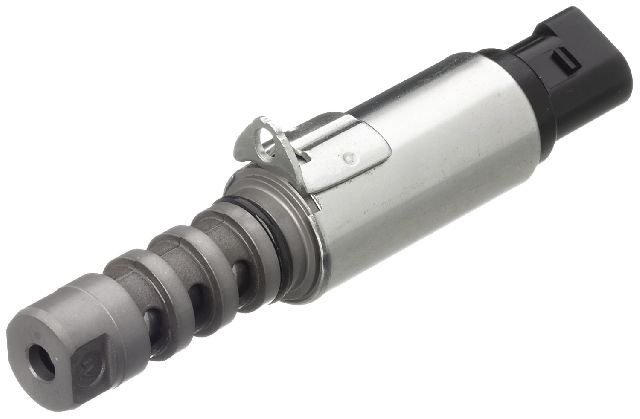
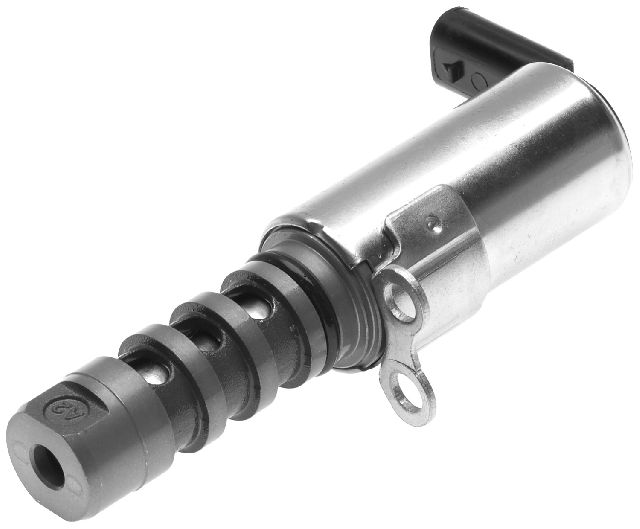
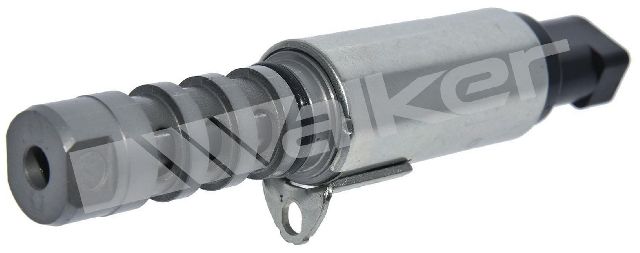
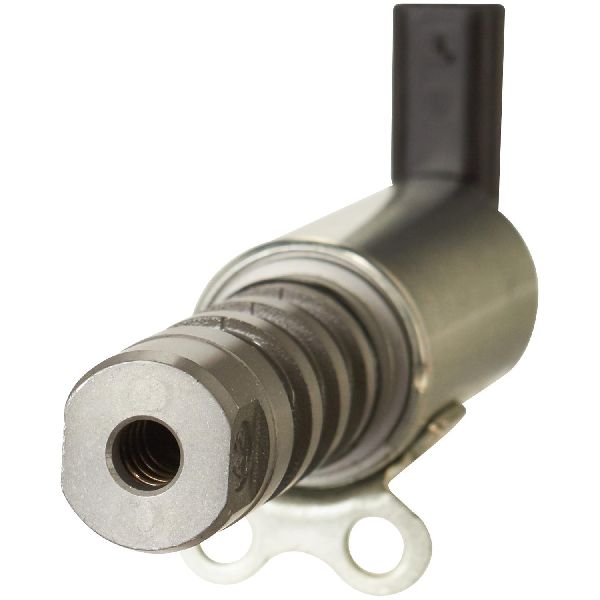
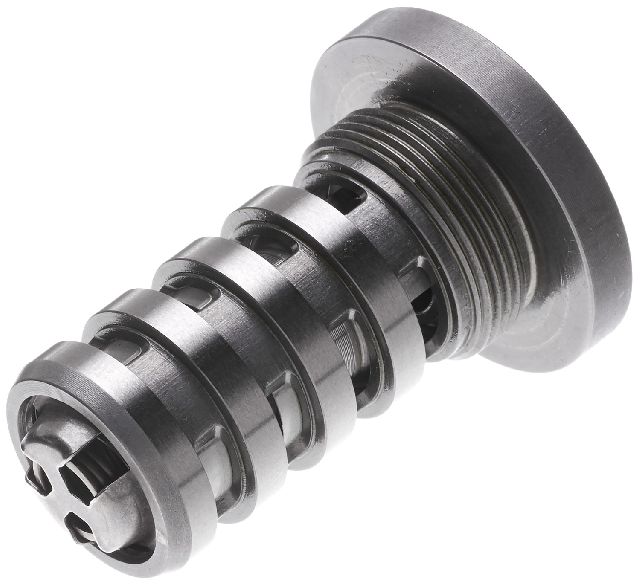
This is an electronically controlled solenoid valve that directs engine oil flow to the camshaft adjusters. It is actuated by a 12V signal from the Engine Control Module (ECM) and is sealed against the engine with a rubber O-ring that should be replaced at the same time. Part numbers vary by specific engine (2.0T, 3.0T, etc.), so always verify fitment with your vehicle's VIN.
We Have This Part in Stock


The information in this article is provided for general reference and educational purposes only. Vehicle specifications, procedures, and part compatibility can vary by production date, trim level, and region. Always consult your vehicle's factory service manual and verify part numbers before purchasing or performing repairs. Safety-critical components such as airbags, seat belts, and braking systems should be installed by a qualified professional.
- Audi A6: