

Audi Q5 Serpentine Belt Replacement Guide (2009-2018)
Everything you need to know about choosing the right new aftermarket serpentine belt for your Q5.
- Inspect the serpentine belt at every oil change for cracks, fraying, and proper tension.
- For best results and longevity, replace the belt tensioner and idler pulleys at the same time as the belt.
- Stick to OEM-quality aftermarket brands like Continental or INA for your Audi Q5 to ensure proper fit and quiet operation.
- If the belt breaks, pull over immediately and turn off the engine to prevent critical damage from overheating or loss of control.
When to Replace Your Q5's Serpentine Belt

Most serpentine belts on the 2009-2018 Audi Q5 should be replaced between 60,000 and 100,000 miles. However, the best guide is your owner's manual and regular visual checks. You should inspect the belt for cracks, fraying, glazing, or contamination with oil at every oil change. Some Audi maintenance schedules for engines like the 3.0T V6 suggest replacing the belt at 55,000 or 60,000 miles. It's wise to replace it proactively, especially before a long trip, to avoid being stranded.
Pro Tip: Replace More Than Just the Belt
When you replace the serpentine belt, it is highly recommended to also replace the belt tensioner and any idler pulleys. A failing tensioner is a common cause of belt noise and can cause a new belt to fail prematurely. Many brands offer complete kits that include the belt, tensioner, and pulleys for a comprehensive repair.
Choosing the Right Aftermarket Serpentine Belt

When shopping for a new aftermarket belt, you'll find several brands with different levels of quality and price. For a premium European vehicle like an Audi Q5, sticking with brands known for their OEM (Original Equipment Manufacturer) quality is often the best choice for longevity and quiet operation.
- Top-Tier (OEM Quality): Brands like Continental (ContiTech) and INA are often the original suppliers to Audi. Choosing one of these belts is the closest you can get to buying a genuine part from the dealer without the high price tag. They are designed to meet the exact specifications for fit and durability required by your Q5's engine.
- Reliable Aftermarket: Gates and Dayco are well-respected brands in the aftermarket industry. They produce high-quality belts that meet or exceed OEM standards and are a trusted choice for many mechanics and DIYers. Gates belts, in particular, are often praised for their durability across all vehicle types.
- Budget-Friendly: Brands like Skyward fall into the economy category. While they are more affordable, they may not offer the same lifespan or quiet performance as the top-tier brands. They can be a suitable option for older, higher-mileage vehicles or if you're on a tight budget, but regular inspection is key.
Known Issues and Bulletins

While there are no specific recalls for the serpentine belt on the 2009-2018 Audi Q5, Audi has issued Technical Service Bulletins (TSBs) for related issues. For example, TSB 13-24-24 addresses grinding or squeaking noises from the belt area on some models, which can be caused by a deviation in the belt tensioner rollers. The fix often involves replacing both the belt and the tensioner. This highlights the importance of addressing belt noises promptly, as they often point to a problem with the tensioner.
| Part/Service | Estimated Cost |
|---|---|
| New Aftermarket Serpentine Belt | $18.81 - $75.46 |
| New OEM Serpentine Belt | $37 - $80 |
| Shop Labor | $75 - $200 |
| Total Professional Replacement | $112 - $400+ |
Frequently Asked Questions (FAQ)

What happens if my serpentine belt breaks while driving?
If the serpentine belt breaks, your engine will lose power to critical accessories almost instantly. The battery will stop charging, the power steering will fail (making the wheel very hard to turn), and the engine may begin to overheat quickly if the water pump is belt-driven. You should pull over safely as soon as possible and call for a tow to prevent catastrophic engine damage.
Is replacing the serpentine belt a DIY job?
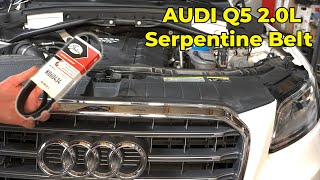
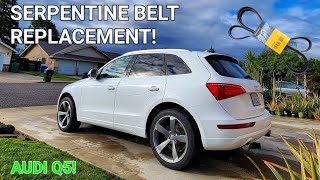
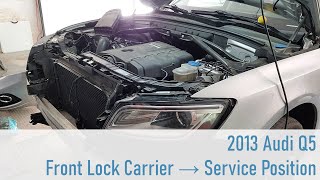
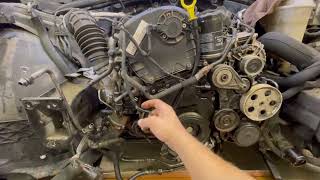
For many Q5 models, especially those with the 2.0T engine, replacing the belt is a straightforward DIY job that can be done from the top of the engine with basic tools like a 16mm wrench or breaker bar to release the tensioner. However, on engines like the 3.2L V6, access can be tighter, and some work may need to be done from underneath the vehicle. Some jobs may even require putting the vehicle into a "service position" by moving the front bumper and core support forward.
Why is my new serpentine belt squealing?
A squealing noise, especially from a new belt, is often not the fault of the belt itself. The most common cause is a weak or failing belt tensioner that isn't providing enough tension, allowing the belt to slip. Misaligned pulleys or fluid contamination (like oil or coolant) on the belt can also cause noise. Spraying the belt with a small amount of water can help diagnose the issue; if the noise temporarily goes away, it confirms the issue is with the belt or tensioner system.
Should I buy a serpentine belt kit?
Yes, buying a kit is highly recommended. These kits, like those offered by Gates, typically include the serpentine belt, a new tensioner, and idler pulleys. Since the tensioner and pulleys wear out over time and are a common cause of belt failure, replacing them all at once is a smart preventative measure that ensures the entire system is reliable.
Helpful Videos
Technical Specifications
OEM Part Numbers: 06E903137J 06E903137T 06K121605C 06L903137A
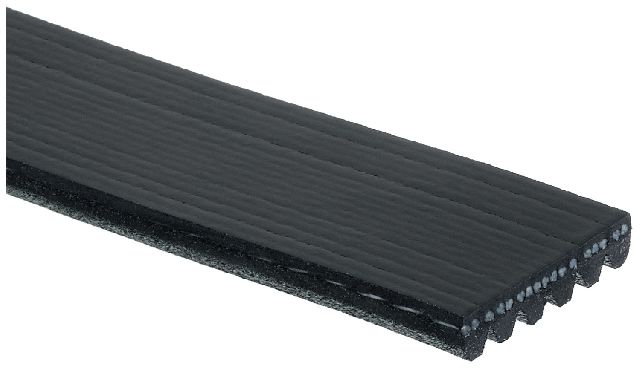
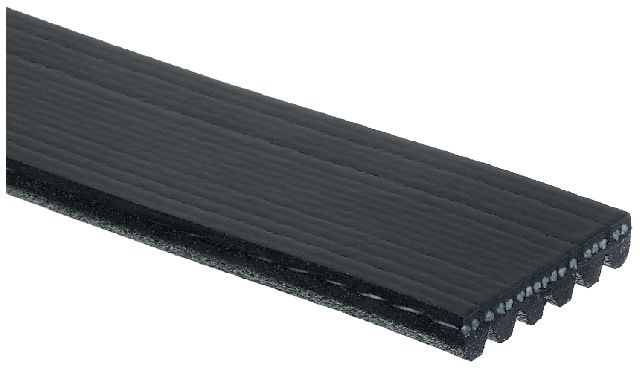
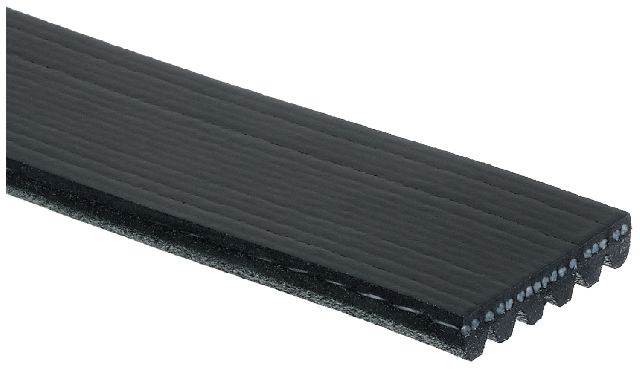
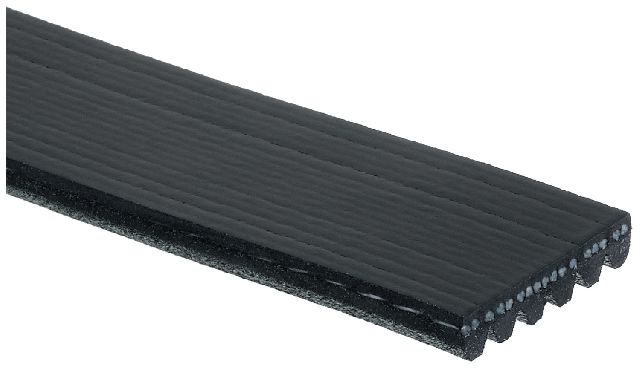
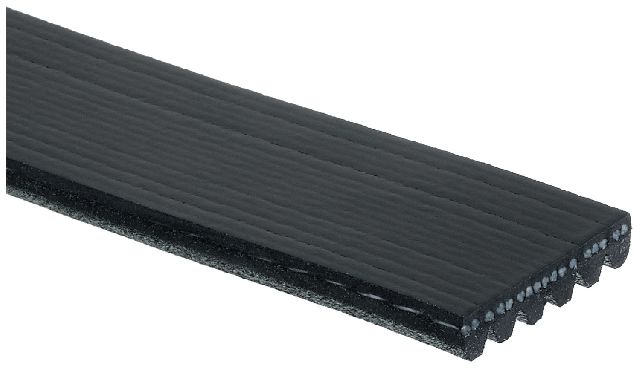
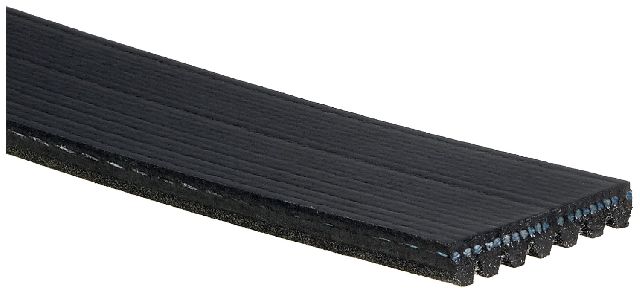
The 2009-2018 Audi Q5 uses a multi-ribbed (poly-v) serpentine belt. The exact length and number of ribs vary depending on the engine (e.g., 2.0T, 3.2L, 3.0T) and whether the vehicle has hydraulic or electric power steering. Always verify the correct part number for your specific vehicle's VIN.
We Have This Part in Stock

The information in this article is provided for general reference and educational purposes only. Vehicle specifications, procedures, and part compatibility can vary by production date, trim level, and region. Always consult your vehicle's factory service manual and verify part numbers before purchasing or performing repairs. Safety-critical components such as airbags, seat belts, and braking systems should be installed by a qualified professional.
- Audi Q5: