

A Deep Dive into the 2009-2018 Chevrolet Traverse Radiator Coolant Hose
Prevent engine overheating in your Traverse by knowing the signs of a failing radiator hose and how to choose the right replacement.
- Inspect your radiator hoses at every oil change for signs of cracking, bulging, or softness.
- A coolant leak or sudden overheating are critical signs that your Traverse needs immediate attention.
- Always use DEX-COOL approved coolant when refilling the system to prevent damage.
- Aftermarket brands like Gates, Dayco, and Continental provide OEM-quality replacements that offer excellent value.
Is Your Traverse's Radiator Hose Failing? Key Symptoms to Watch For
A failing radiator hose can quickly lead to major engine trouble. If you notice any of these signs with your 2009-2018 Traverse, it's time to inspect your hoses immediately.
- Coolant Leaks: The most obvious sign is a puddle of orange or green fluid under the front of your vehicle. 🎬 See this video for a common Traverse coolant leak fix. For the Traverse, common leak points are where the hoses connect to the engine or radiator.
- Engine Overheating: If your temperature gauge starts climbing into the red, a collapsed or leaking hose could be the culprit, preventing proper coolant flow.
- Visible Hose Damage: Pop the hood and look at the hoses. Signs of trouble include cracks, splits, or bulging, especially near the connection points. A soft or spongy feel when the engine is cool also indicates the hose is breaking down internally.
- Low Coolant Light: A persistent low coolant warning on your dashboard means you're losing coolant from somewhere, and the hoses are a primary suspect. 🎬 Watch: How to check your Traverse coolant levels properly.
Critical Warning
Do not drive your Traverse if it is actively overheating. Pull over immediately and let the engine cool down. Driving with an overheated engine can cause catastrophic damage, including warped cylinder heads and complete engine failure.
Choosing the Right Aftermarket Hose: Continental, Dayco, vs. Gates
When replacing a radiator hose on your Traverse, you don't have to go back to the dealer. Reputable aftermarket brands often supply the original parts to GM and offer the same quality for less money. For this part, Continental, Dayco, and Gates are all excellent choices that meet or exceed OEM specifications.
All three brands manufacture their hoses from high-quality EPDM rubber, which is designed to resist heat, ozone, and chemical degradation from the coolant. They are also engineered to resist electrochemical degradation, a leading cause of hose failure. You can be confident choosing any of these brands based on price and availability.
- Gates: Often considered a top-tier choice, known for excellent fitment and durability.
- Dayco: A strong competitor, sometimes noted for being slightly thicker, which is a matter of preference.
- Continental (ContiTech): Another OEM supplier with a reputation for quality molded hoses that fit perfectly.
Pro Tip: Replace in Pairs
It's wise to replace both the upper and lower radiator hoses at the same time. They are exposed to the same conditions and age at a similar rate. Also, always install new hose clamps; the old spring clamps can lose tension over time, and worm-gear clamps can damage the plastic fittings if over-tightened.
Cost of Replacing a Radiator Hose on a 2009-2018 Traverse
The cost can vary depending on whether you do it yourself or go to a shop. The parts themselves are affordable, but labor can add up.
| Part/Service | Estimated Cost |
|---|---|
| New Aftermarket Hose (e.g., Gates, Dayco) | $40 - $65 |
| New OEM Hose | $80 - $135 |
| Shop Labor | $150 - $220 |
| Total (Shop) | $190 - $285+ |
Note: Prices are estimates and can vary by location and specific part. This does not include the cost of new coolant.
Frequently Asked Questions
What's the difference between the upper and lower radiator hose?
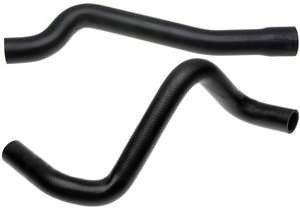
The upper hose carries hot coolant from the engine's thermostat housing to the top of the radiator. The lower hose draws the cooled fluid from the bottom of the radiator back into the engine's water pump. They are not interchangeable and have different shapes and sometimes different diameters.
Can I perform this replacement myself?
Yes, for a moderately skilled DIYer, this is a feasible job. It requires basic hand tools, a drain pan, and patience. The most difficult part is often accessing the lower hose clamp. The job typically takes 1-2 hours.
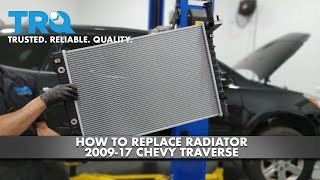
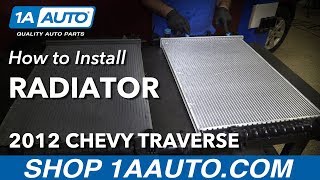
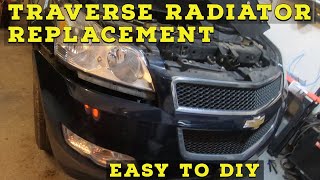
🎬 Watch this step-by-step guide to replacing the radiator yourself.Do I need a special type of coolant for my Traverse?
Yes, it is critical to use a DEX-COOL compatible coolant. Using the wrong type of coolant can lead to corrosion and damage to the cooling system components. Always use a 50/50 mixture with distilled water or buy a pre-mixed formula.
Are there any recalls for the radiator hoses on the 2009-2018 Traverse?
No specific recalls were found for radiator hoses on the 2009-2018 Chevrolet Traverse. However, some Technical Service Bulletins (TSBs) exist for cooling system issues on related models, but none point to a widespread defect for this specific part in this year range.
Helpful Videos


Technical Specifications
OEM Part Numbers: 15294028 22858060 15294029
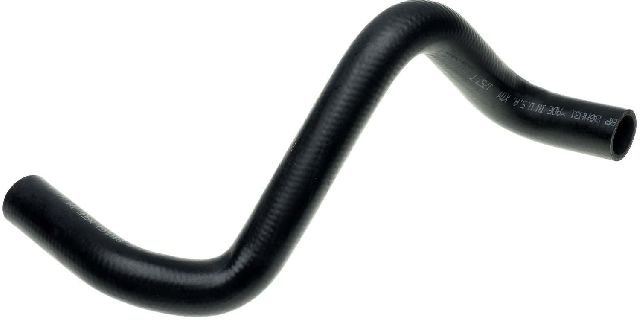
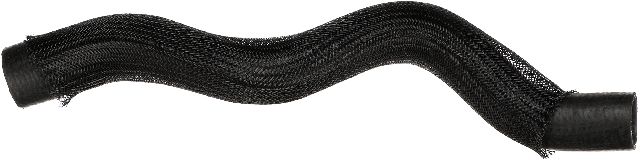
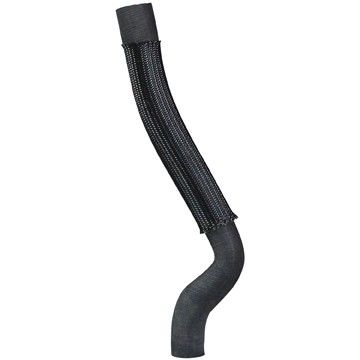
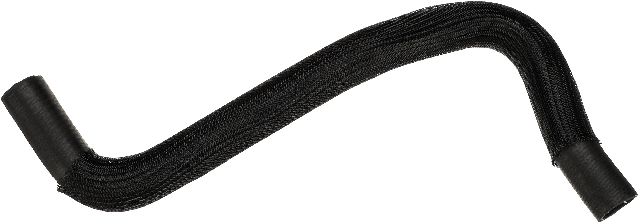
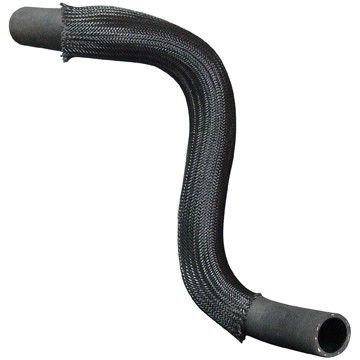
Material: EPDM Rubber. Construction: Molded to vehicle-specific shape. Reinforcement: Synthetic fiber knit. Temperature Range: Approx. -40°F to 257°F (-40°C to 125°C). Meets SAE J20R4, Class D-1 specifications.
We Have This Part in Stock

The information in this article is provided for general reference and educational purposes only. Vehicle specifications, procedures, and part compatibility can vary by production date, trim level, and region. Always consult your vehicle's factory service manual and verify part numbers before purchasing or performing repairs. Safety-critical components such as airbags, seat belts, and braking systems should be installed by a qualified professional.
- Chevrolet Traverse:
- 🎬 Helpful Videos
- 🛍️ Shop This Part
- Is Your Traverse's Radiator Hose Failing? Key Symptoms to Watch For
- Critical Warning
- Choosing the Right Aftermarket Hose: Continental, Dayco, vs. Gates
- Pro Tip: Replace in Pairs
- Cost of Replacing a Radiator Hose on a 2009-2018 Traverse
- Frequently Asked Questions
- 🎟️ Get 5% Off