

A Guide to the 2009-2019 Audi Q5 High-Pressure Fuel Sensor
Learn to spot the signs of a failing fuel pressure sensor and choose the right replacement for your Q5.
- Your Q5 has two fuel pressure sensors; symptoms like stalling and power loss usually point to the high-pressure (G247) sensor on the fuel rail.
- Always diagnose with a scanner first; fault codes like P0087, P0088, or P0191 are strong indicators of a sensor problem.
- A bad sensor can cause dangerous stalling and should be replaced promptly to avoid being stranded.
- For long-term reliability on your Audi, it is highly recommended to use an OEM brand like Bosch for this critical sensor.
Understanding Fuel Pressure Sensor Failure in Your Q5

The high-pressure fuel sensor (often called the G247 sensor) is a common failure point that can mimic other serious engine problems. Before you replace parts like the fuel pump, it's important to check the sensor. A diagnostic scan tool is the best way to start. Look for fault codes related to fuel pressure, as this will help confirm the sensor is the likely culprit. 🎬 Watch how a P0087 code was diagnosed and fixed. Ignoring the symptoms can lead to your vehicle stalling unexpectedly.
Symptoms of a Bad High-Pressure Fuel Sensor

When the G247 sensor starts to fail, your Q5 will give you clear warning signs. You might notice one or more of the following issues:
- Check Engine Light: This is often the first sign. Codes like P0087 (Fuel Rail Pressure Too Low), P0088 (Too High), or P0191 (Sensor Performance) are common.
- Engine Stalling: The engine may stall at idle, especially when it's hot or after short trips. This happens because the computer gets incorrect fuel pressure readings.
- Hard Starting: Your Q5 may take longer than usual to start, or it might not start at all.
- Loss of Power: You'll feel a noticeable lack of acceleration because the engine isn't getting the right amount of fuel under load.
- Rough Idle: The engine may run poorly or misfire, making the car shake while stopped.
Known Issues and Service Bulletins
While there is no direct recall for the fuel pressure sensor itself, Audi has issued Technical Service Bulletins (TSBs) related to it. TSB 2027306/4 provides dealers with steps to diagnose fault codes P0087, P0088, and P0192, which often point to a bad G247 sensor. Another TSB (2043758/2) addresses a low-pressure fault (P310B) that can occur in very hot weather. Recalls for 2009-2012 models concern a cracking fuel pump flange, not the sensor, but show the fuel system can have issues.
Choosing the Right Aftermarket Fuel Pressure Sensor

For a critical part like a fuel sensor on a German vehicle, quality matters. Using a low-quality part can lead to the same problems returning quickly. Here’s a breakdown of your options:
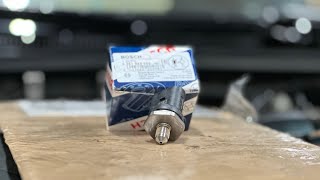
- OEM-Equivalent (Best Choice): Brands like Bosch are original equipment manufacturers for Audi. Choosing a Bosch sensor is the safest way to ensure reliability and correct performance without paying dealer prices.
- Premium Aftermarket: Brands like Standard Ignition and Vemo offer direct-fit replacements. Standard can sometimes be more expensive than OEM, while Vemo is often seen as a budget-friendly option. Quality can be very good, but it's not as guaranteed as an OEM part.
- Economy Brands: Brands like Dorman, URO Parts, and other store-exclusive lines are the most affordable. However, their quality can be inconsistent. For a sensitive electronic part on an Audi, this tier is a significant gamble and may not be worth the initial savings.
| Part Type | Estimated Cost |
|---|---|
| New OEM (Bosch) | $100 - $200 |
| New Aftermarket | $45 - $227 |
| Shop Labor | $73 - $107 |
Pro Tip: High-Pressure vs. Low-Pressure Sensor
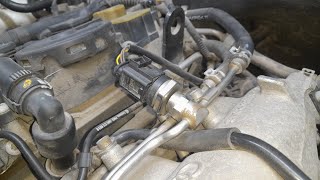
Your Q5 has two fuel pressure sensors. The high-pressure G247 sensor is on the fuel rail and is the most common one to fail with the symptoms listed above. The low-pressure G410 sensor is located near the high-pressure fuel pump (HPFP) and its failure is less common. Make sure you or your mechanic have correctly diagnosed which sensor is faulty 🎬 Watch this guide to understanding Audi fuel pressure sensors. before ordering a replacement.
Frequently Asked Questions

Can I replace the fuel pressure sensor myself?
For Q5 models with the 2.0T engine, DIY replacement is possible for someone with mechanical experience. The sensor is on the fuel rail and can be in a tight spot. You MUST relieve the high pressure from the fuel system before starting to avoid fuel spray and fire risk. For the 3.0T engine, the sensor may be under the supercharger, making it a much more difficult job best left to a professional.
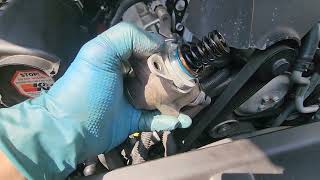
🎬 See the complex replacement procedure for 3.0T supercharged engines.What happens if I don't replace a bad fuel pressure sensor?
You risk the engine stalling at any time, which can be dangerous in traffic. Continuing to drive can also lead to poor fuel economy, reduced engine power, and potentially damage other components over time.
Is there a recall for the Audi Q5 fuel pressure sensor?
No, there is no specific recall for the fuel pressure sensor. There are recalls for the fuel pump flange on 2009-2012 models, which can cause a fuel leak, but this is a separate part.
Does a P0087 code always mean the sensor is bad?
Not always, but it's a primary suspect. A P0087 code means fuel pressure is too low. This could also be caused by a failing high-pressure fuel pump (HPFP), a clogged fuel filter, or a bad low-pressure pump. However, because the sensor is a known failure point and less expensive than a pump, it's often the first part to check and replace after proper diagnosis.
Helpful Videos

Technical Specifications
OEM Part Numbers: 06J906051D 03C906051C 06E906051K
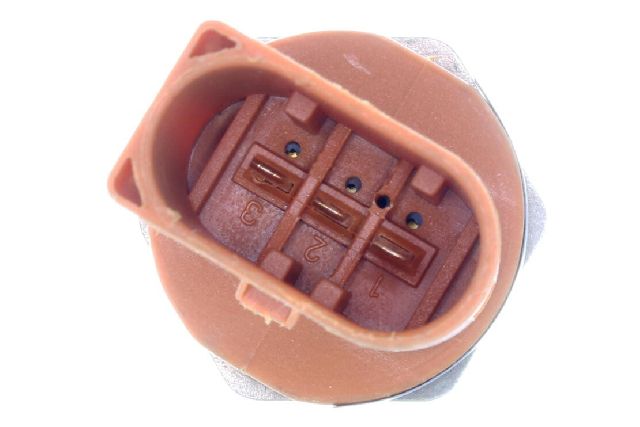
This guide primarily covers the high-pressure fuel sensor (G247) located on the engine's fuel rail. It is a 3-pin electronic sensor.
We Have This Part in Stock


The information in this article is provided for general reference and educational purposes only. Vehicle specifications, procedures, and part compatibility can vary by production date, trim level, and region. Always consult your vehicle's factory service manual and verify part numbers before purchasing or performing repairs. Safety-critical components such as airbags, seat belts, and braking systems should be installed by a qualified professional.
- Audi Q5:
- 🎬 Helpful Videos
- 🛍️ Shop This Part
- Understanding Fuel Pressure Sensor Failure in Your Q5
- Symptoms of a Bad High-Pressure Fuel Sensor
- Known Issues and Service Bulletins
- Choosing the Right Aftermarket Fuel Pressure Sensor
- Pro Tip: High-Pressure vs. Low-Pressure Sensor
- Frequently Asked Questions
- 🎟️ Get 5% Off