

A Guide to the Fuel Pressure Sensor for the 2009-2019 Chevrolet Traverse
Understanding the signs of a failing fuel pressure sensor and how to choose the right replacement for your Traverse.
- Your Traverse has two fuel pressure sensors; the one on the fuel rail is harder to replace and more critical for engine performance.
- Symptoms like stalling, hard starts, and weak acceleration, especially with codes P0191 or P0089, point to a failing sensor.
- Replacing the fuel rail sensor requires removing the intake manifold, so it's crucial to also replace the intake gaskets.
- ACDelco and Bosch are the most recommended brands for reliability, while budget brands can be a gamble for this labor-intensive job.
Understanding Fuel Pressure Sensor Failure in Your Traverse

The fuel pressure sensor is a critical component. When it starts to fail, it sends incorrect information to your Traverse's main computer. This can cause a variety of noticeable engine problems. Ignoring these symptoms can lead to poor fuel economy, stalling, and potentially leave you stranded. It's a repair that should be addressed promptly to avoid further issues.
Symptoms of a Bad Fuel Pressure Sensor

A failing fuel pressure sensor can make itself known in several ways. Often, the first sign is the Check Engine Light illuminating on your dashboard. You might also experience:
- Difficulty Starting: The engine may crank for a long time before it starts, or it might not start at all. This happens because the computer doesn't see the correct fuel pressure needed to initiate combustion.
- Engine Stalling: The engine may stall unexpectedly, especially at idle, like when you're stopped at a red light.
- Weak Acceleration and Power Loss: Your Traverse might feel sluggish and unresponsive when you press the gas pedal. This is a common symptom when the engine isn't receiving enough fuel under load.
- Rough Idle: An unstable or vibrating idle can occur as the computer tries to constantly adjust for incorrect pressure readings.
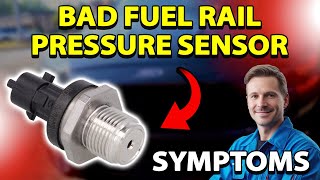
- Poor Fuel Economy: If the sensor causes the engine to run rich (too much fuel), you'll notice you're visiting the gas station more often. 🎬 Watch: A detailed breakdown of bad fuel pressure sensor symptoms
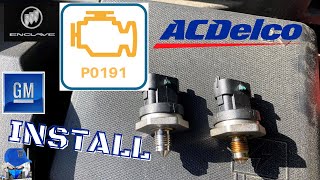
Diagnostic trouble codes (DTCs) like P0191 (Fuel Rail Pressure Sensor Performance) and P0089 (Fuel Pressure Regulator Performance) are strong indicators of a problem with the fuel pressure sensor or related components.
🎬 See how P0191 codes can cause reduced engine powerA Note on Two Sensors
Remember, your Traverse has two fuel pressure sensors. One is on the fuel rail under the intake manifold, and the other is part of the low-pressure/EVAP system near the fuel tank. A diagnostic scan is the best way to determine which sensor is causing the issue. The high-pressure sensor on the fuel rail is the more common failure point leading to serious drivability problems.
Choosing the Right Aftermarket Fuel Pressure Sensor

When replacing the fuel pressure sensor, you have several options. You don't have to buy the part from a dealership to get your Traverse running right again.
- OEM-Tier Brands (ACDelco, Bosch): ACDelco is the original equipment manufacturer (OEM) for GM, so their parts offer a guaranteed fit and performance identical to the factory original. Bosch is another top-tier OEM supplier known for quality electronics and is a very reliable choice. For a critical sensor like this, choosing one of these brands is a safe bet for long-term reliability.
- Quality Aftermarket (Standard Motor Products, Dorman): Standard Motor Products (SMP) is a well-respected aftermarket brand that engineers parts specifically for GM vehicles and tests them for performance. Dorman provides an affordable alternative, though some professional mechanics and forum users have mixed opinions on the long-term reliability of their electronic parts compared to OEM.
- Budget-Friendly (URO Parts, Replacement): Brands like URO Parts offer a low-cost option. However, forum discussions suggest that the quality of their electronic components can be inconsistent. While the price is tempting, it might be a gamble for a part that is labor-intensive to replace.
Pro Tip: Replace the Gaskets
If you are replacing the fuel rail pressure sensor, you will have to remove the upper intake manifold. It is essential to replace the intake manifold gaskets at the same time to prevent vacuum leaks. Don't reuse the old ones.
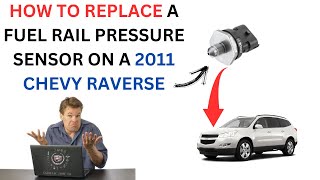
🎬 Watch: Step-by-step guide to replacing the fuel rail pressure sensorEstimated Replacement Costs

The cost to replace a fuel pressure sensor varies depending on which sensor has failed. The sensor on the fuel rail is much more labor-intensive.
| Part/Service | Fuel Rail Sensor (High-Pressure) | Fuel Tank Sensor (Low-Pressure) |
|---|---|---|
| New OEM Part | $100 - $205 | $48 - $101 |
| New Aftermarket Part | $25 - $110 | $35 - $70 |
| Shop Labor | $236 - $390 | $161 - $236 |
| Total Estimated Cost (Shop) | $336 - $595 | $209 - $337 |
*Cost estimates are approximate and can vary based on your location and the specific repair shop. Prices are for the part and labor, not including taxes or potential diagnostic fees.
Frequently Asked Questions
Where is the fuel pressure sensor located on a 2009-2019 Traverse?
There are two sensors. The high-pressure sensor is located on the driver's side fuel rail, underneath the upper intake manifold. The low-pressure sensor is located on the fuel line near the gas tank.
Is this a difficult DIY repair?
Replacing the fuel tank pressure sensor is relatively easy for a DIYer. However, replacing the fuel rail pressure sensor is a more involved job. It requires removing the upper intake manifold, which can take a few hours and requires care to not drop anything into the engine. It is feasible for an experienced DIYer, but a beginner may want to leave it to a professional.
Are there any recalls for this issue?
There are no specific recalls for the fuel pressure sensor on the 2009-2019 Chevrolet Traverse. There was a recall for a fuel pump issue on some 2020 models, but it does not apply to the sensor itself in the specified year range.
What is the difference between the fuel rail sensor and the fuel tank sensor?
The fuel rail sensor (high-pressure) measures the pressure of fuel being fed directly to the injectors for combustion. The fuel tank pressure sensor (low-pressure) is part of the EVAP system and primarily measures pressure changes in the tank to detect leaks for emissions control. Problems with the fuel rail sensor are more likely to cause immediate and severe driving issues.
My mechanic hears a ticking noise. Is that related?
Probably not. The 3.6L direct injection engine in your Traverse has a high-pressure fuel pump that makes a distinct ticking or clicking sound. This is a normal characteristic of the system and does not indicate a problem with the pump or sensor. GM has issued a technical service bulletin (TSB 07-06-04-025M) to inform technicians that this sound is normal.
Helpful Videos

Technical Specifications
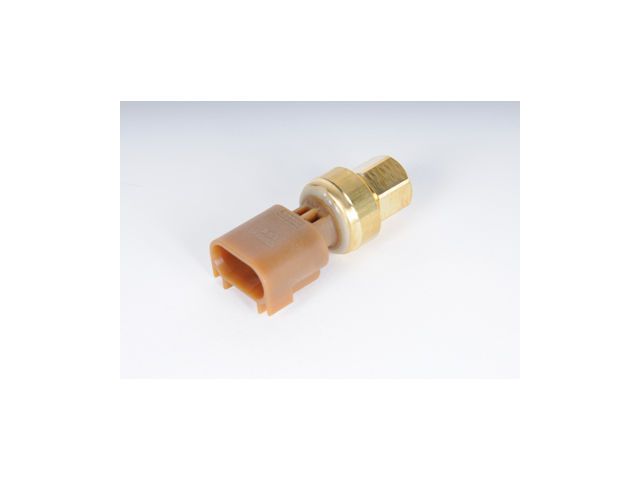
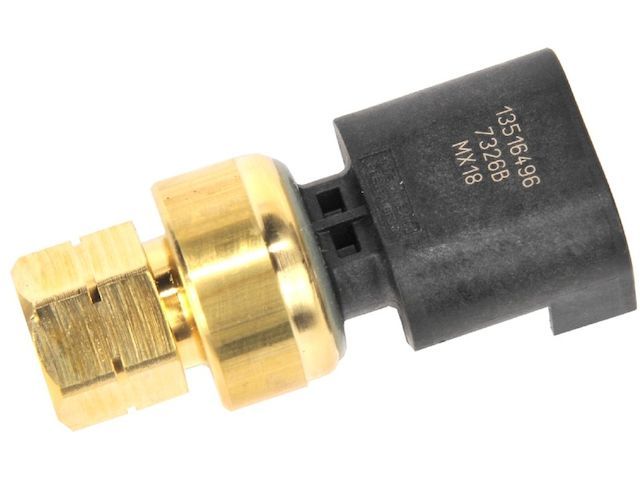
OEM Part Numbers: 12618108 13516496 13502903 12635273 213-4420
The 2009-2019 Traverse uses a high-pressure sensor on the fuel rail for the direct injection system and a low-pressure sensor for the fuel tank/EVAP system. The high-pressure sensor is located under the intake manifold and requires a 27mm socket for removal. The system operates at very high pressures, and replacement involves disconnecting the battery and relieving fuel system pressure.
We Have This Part in Stock


The information in this article is provided for general reference and educational purposes only. Vehicle specifications, procedures, and part compatibility can vary by production date, trim level, and region. Always consult your vehicle's factory service manual and verify part numbers before purchasing or performing repairs. Safety-critical components such as airbags, seat belts, and braking systems should be installed by a qualified professional.
- Chevrolet Traverse:
- 🎬 Helpful Videos
- 🛍️ Shop This Part
- Understanding Fuel Pressure Sensor Failure in Your Traverse
- Symptoms of a Bad Fuel Pressure Sensor
- A Note on Two Sensors
- Choosing the Right Aftermarket Fuel Pressure Sensor
- Pro Tip: Replace the Gaskets
- Estimated Replacement Costs
- Frequently Asked Questions
- 🎟️ Get 5% Off