

Ford Flex Oxygen Sensor Guide (2009-2019): Symptoms and Replacement
Is your Ford Flex running rough or losing gas mileage? Your oxygen sensor might be the culprit.
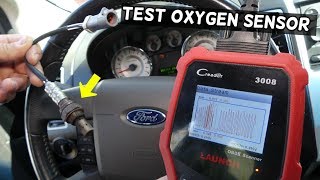
- Your Ford Flex has four oxygen sensors; use a scan tool to identify the correct failed sensor before purchasing a replacement.
- For best results and to avoid issues, use an OEM (Motorcraft) or OE-equivalent brand like Denso or NGK/NTK.
- A failing oxygen sensor will decrease your fuel economy and can lead to costly catalytic converter damage if ignored.
- Replacing the sensor is a manageable DIY task, but a special oxygen sensor socket is highly recommended for easier removal.
Signs of a Failing Oxygen Sensor in a Ford Flex

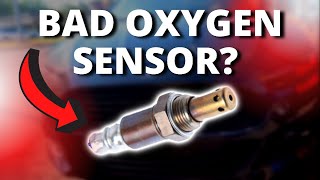
When an oxygen sensor starts to fail, it can cause several noticeable problems. Because the sensor is a key input for fuel control, a bad sensor often leads to poor engine performance. The first and most obvious sign is usually the Check Engine Light illuminating on your dashboard. You may also experience a significant drop in fuel economy, a rough or unstable idle, engine hesitation, or even misfires. In some cases, you might notice a rotten egg smell from the exhaust, which can indicate a rich fuel mixture that could damage the catalytic converter over time.
🎬 Watch: A breakdown of common symptoms of a bad sensor.Choosing the Right Aftermarket Oxygen Sensor

When it comes to electronic sensors for your Ford Flex, not all brands are created equal. Ford vehicles can be sensitive to the brand of sensor used. For best results and to avoid compatibility issues, it's wise to stick with brands known for their quality and OE-supplier history.
Tier 1: OEM and OE-Equivalent Brands
- Motorcraft: This is Ford's official parts brand. Choosing Motorcraft guarantees an exact fit and performance as intended from the factory. While it's the most expensive option, it's a surefire bet.
- Denso & NGK/NTK: Both Denso and NGK (under their sensor brand NTK) are major original equipment (OE) suppliers for many automakers, including Ford. Many owners report that the original sensors in their Fords are made by one of these two brands. They offer OEM quality, often at a lower price than the Motorcraft-branded part.
Tier 2: Reputable Aftermarket Brands
- Bosch: Bosch is a massive automotive parts manufacturer and the inventor of the oxygen sensor. They are a common and reliable choice for many vehicles, including the Ford Flex, and are sometimes the original manufacturer.
- Delphi & Spectra: These are well-known aftermarket brands that produce a wide range of quality parts. They are a solid choice if you're looking for a balance between price and reliability.
Tier 3: Value-Oriented Brands
- DriveWire & Walker Products: These brands offer a more budget-friendly solution. While they can be a good option for those on a tight budget, their longevity and performance consistency may not match the higher-tiered brands.
Estimated Costs for Ford Flex Oxygen Sensor Replacement

| Part or Service | Estimated Cost |
|---|---|
| New Aftermarket Oxygen Sensor | $26 - $170 |
| New OEM (Motorcraft) Oxygen Sensor | $80 - $200+ |
| Shop Labor | $100 - $250 |
| Total Professional Replacement (Aftermarket) | $126 - $420 |
Frequently Asked Questions

How many oxygen sensors does a 2009-2019 Ford Flex have?
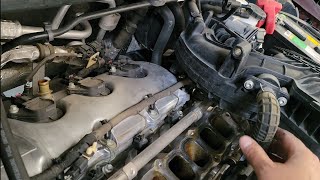
Most Ford Flex models with the 3.5L V6 engine (both naturally aspirated and EcoBoost) have four oxygen sensors. There are two "upstream" sensors (one for each cylinder bank) located in the exhaust manifolds before the catalytic converters, and two "downstream" sensors located after the catalytic converters.
What's the difference between an upstream and a downstream sensor?
Upstream sensors (also called Sensor 1) are the most critical; they constantly measure the exhaust gases to provide real-time feedback for adjusting the engine's air-fuel mixture. Downstream sensors (Sensor 2) primarily monitor the performance of the catalytic converter by comparing their readings to the upstream sensors.
Can I replace just one oxygen sensor?
Yes, you only need to replace the specific sensor that has failed. A diagnostic scan tool can read the trouble code (e.g., P0135, P0141) which will identify which sensor is having a problem 🎬 See how to replace sensors when dealing with these codes. (e.g., Bank 1, Sensor 1). However, oxygen sensors have a limited lifespan, so if one has failed and your vehicle has high mileage, the others may not be far behind.
Is replacing a Ford Flex oxygen sensor a DIY job?
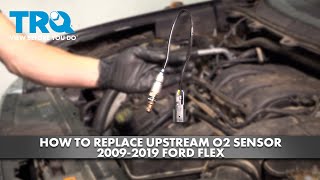
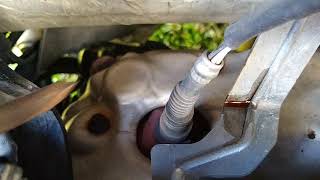
Yes, for someone with basic mechanical skills, this is a very feasible DIY job. The main challenge is often accessing the sensors, especially the rear upstream one. You will need a special tool called an oxygen sensor socket, which has a slot for the wire to pass through. Soaking the old sensor with penetrating oil beforehand can make removal much easier.
🎬 Watch: Step-by-step guide to replacing the upstream oxygen sensor.Were there any recalls for the Ford Flex oxygen sensor?
No major recalls were found specifically for oxygen sensor failure on the 2009-2019 Ford Flex. Searches on the NHTSA database did not show a specific recall for this component, though other unrelated recalls exist for the Flex.
Helpful Videos

Technical Specifications
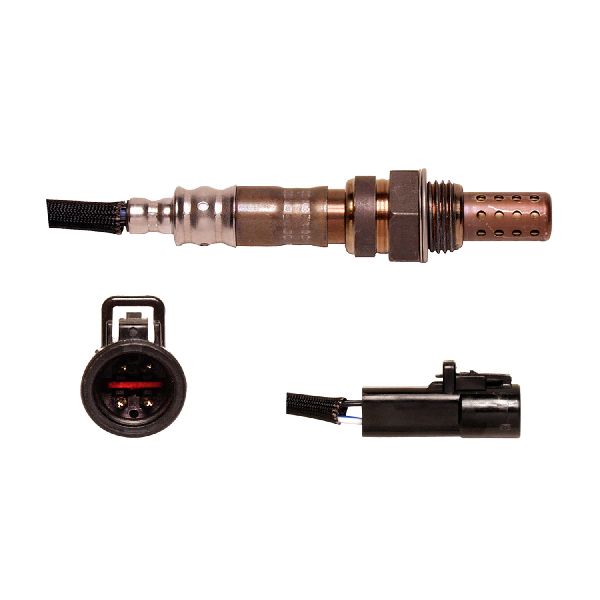
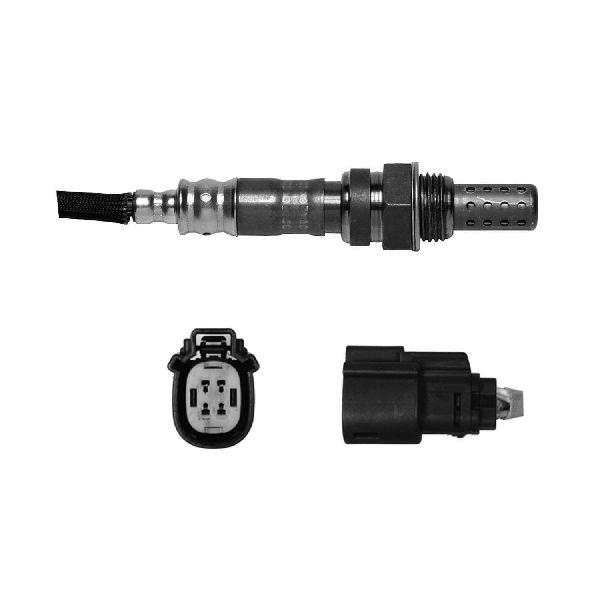
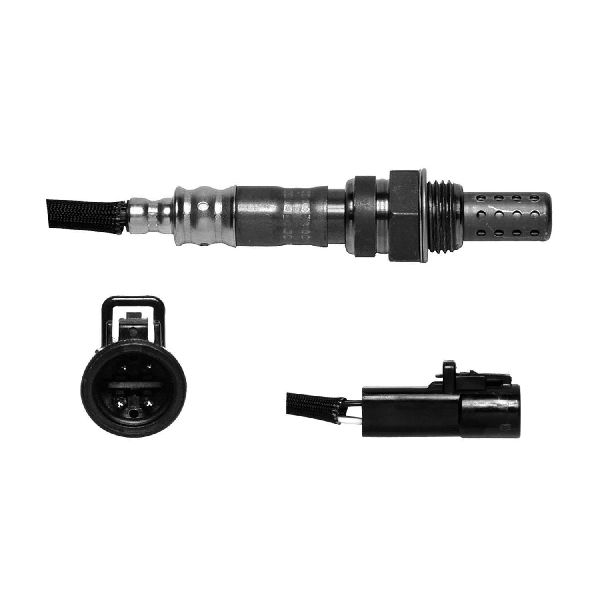
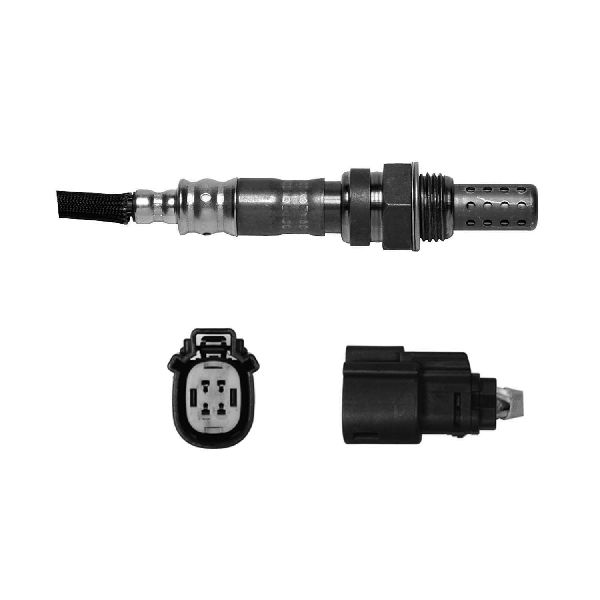
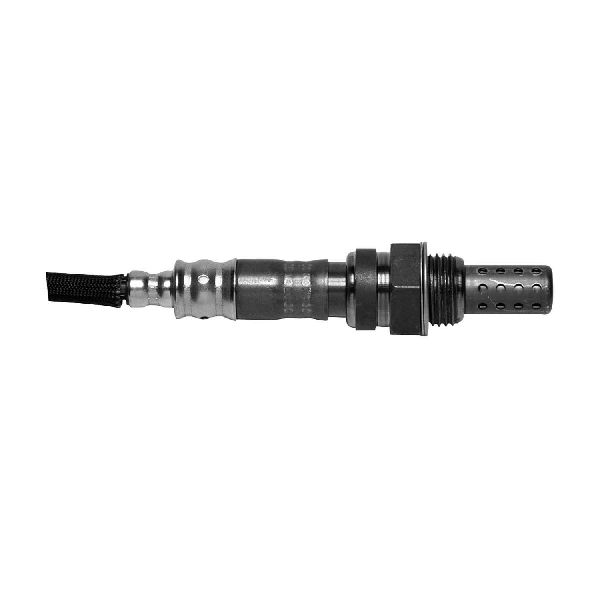
OEM Part Numbers: 234-5113 234-4489 234-4491 DY1183 DY1184
The Ford Flex uses heated, four-wire oxygen sensors. Upstream sensors are wide-band (Air/Fuel Ratio) sensors, while downstream sensors are typically narrow-band. Connectors and wire lengths are specific to each of the four locations, so ensure you purchase the correct part for the specific location.
We Have This Part in Stock


The information in this article is provided for general reference and educational purposes only. Vehicle specifications, procedures, and part compatibility can vary by production date, trim level, and region. Always consult your vehicle's factory service manual and verify part numbers before purchasing or performing repairs. Safety-critical components such as airbags, seat belts, and braking systems should be installed by a qualified professional.
- Ford Flex:
- 🎬 Helpful Videos
- 🛍️ Shop This Part
- Signs of a Failing Oxygen Sensor in a Ford Flex
- Choosing the Right Aftermarket Oxygen Sensor
- Tier 1: OEM and OE-Equivalent Brands
- Tier 2: Reputable Aftermarket Brands
- Tier 3: Value-Oriented Brands
- Estimated Costs for Ford Flex Oxygen Sensor Replacement
- Frequently Asked Questions
- 🎟️ Get 5% Off