

Ford Taurus Engine Coolant Temperature Sensor Guide (2009-2019)
An essential guide to understanding, diagnosing, and replacing the engine temperature sensor on your 2009-2019 Ford Taurus.
- On 2009-2019 V6 models, the sensor is under the intake manifold, making replacement a difficult and labor-intensive job.
- Symptoms of failure include poor fuel economy, overheating, a check engine light (P0117, P0128), and rough running.
- Due to the high labor cost, choosing a premium aftermarket (NGK, Standard) or OEM (Motorcraft) part is recommended for long-term reliability.
- On this vehicle, the part may be called a 'Cylinder Head Temperature Sensor' (CHT), which performs the same function.
Is Your Taurus Acting Up? It Could Be the Coolant Temp Sensor

A failing Engine Coolant Temperature (ECT) sensor can cause a surprising number of problems with your 2009-2019 Ford Taurus. Because the engine's computer relies on this sensor for so much information, a bad signal can lead to poor performance that might not seem related to engine temperature at first. Common signs of failure include a check engine light, worse fuel economy, an engine that overheats, or even black smoke from the exhaust.
🎬 Watch: Common signs and symptoms of a failing ECT sensorA Critical Note on Replacement Location
For the 2009-2019 Ford Taurus, most of which use the 3.5L or 3.7L V6 engine, the temperature sensor is not easy to access. It is located underneath the upper and lower intake manifolds. This makes replacement a much more complex and expensive job than on older vehicles. This is not a simple swap and requires several hours of labor to remove the intake before the sensor can even be reached.
🎬 See this walkthrough of the complex intake manifold removal processChoosing the Right Aftermarket Sensor for Your Taurus

When it's time to replace your sensor, you have several options. While you can always go to the dealer, many high-quality aftermarket parts offer the same performance for less money. Here’s how the brands break down.
Tier 1: OEM and Premium Aftermarket
These brands are known for making parts that meet or exceed the original factory specifications. They are the best choice for reliability and long-term peace of mind, which is important given the difficult installation on this vehicle.
- Motorcraft: This is Ford's own brand. It's the original part your Taurus was built with and is the benchmark for fit and quality.
- NGK (NTK): A top-tier Japanese manufacturer famous for sensors and ignition parts. NTK is the sensor division of NGK, and they are a trusted OEM supplier for many carmakers.
- Standard Ignition (SMP): A well-respected American company that has been making quality automotive parts for decades. Their sensors are considered a reliable alternative to OEM.
Tier 2: Quality Aftermarket Alternatives
These brands offer a good balance of quality and price. They are a solid choice for a daily driver when you want a reliable part without the premium price tag.
- Holstein: This brand focuses on sensors and markets itself as an OE-quality alternative, using factories that also supply original parts and offering a good warranty.
- Motorad: A known name in cooling system parts, including thermostats and sensors.
Tier 3: Economy Options
These brands are the most budget-friendly. They will get the job done but may not have the same level of testing or use the same premium materials as the higher-tier brands.
- Walker Products: Reviews for Walker sensors are mixed. While some find them to be a decent value, others report lower quality compared to OEM or premium brands.
- Four Seasons / Global Parts (GPD) / True-Tech: These brands often provide the most affordable options for a wide range of parts.
Pro Tip: Given the high labor cost to replace this specific sensor on the 3.5L/3.7L Taurus engines, spending a little extra on a premium brand like Motorcraft, NGK, or Standard Ignition is a smart investment to avoid having to do the job twice.
Cost to Replace the Ford Taurus ECT Sensor

The cost is heavily influenced by the high labor time required for the 3.5L and 3.7L engines.
| Part Type | Estimated Part Cost | Estimated Labor Cost |
|---|---|---|
| New OEM (Motorcraft) | $35 - $60 | $250 - $450+ |
| New Aftermarket | $12 - $102 |
Frequently Asked Questions

Where is the ECT sensor located on a 2009-2019 Ford Taurus?
On models with the 3.5L or 3.7L V6 engine, the sensor is located on a cylinder head, underneath the intake manifold. This makes it very difficult to access without significant disassembly.
Can I replace this sensor myself?
For a 2009-2019 Taurus with the V6 engine, this is not recommended for a DIY beginner. The job requires removing the upper and lower intake manifolds, which is complex and time-consuming. It is best left to an experienced mechanic.
What are the common error codes for a bad ECT sensor?
Common OBD-II codes include P0117 (Sensor Circuit Low), P0118 (Sensor Circuit High), and P0128 (Coolant Thermostat - Coolant Temperature Below Thermostat Regulating Temperature).
🎬 Watch: A mechanic explains how to diagnose P0118 error codesIs a Cylinder Head Temperature (CHT) sensor the same as an ECT sensor?
On many modern Ford engines, including those in the Taurus, a CHT sensor is used instead of a traditional ECT sensor. It measures the temperature of the metal of the cylinder head, which the car's computer uses to infer the coolant temperature. For ordering purposes, they serve the same function.
Are there any recalls for this part?
There are no specific recalls for the engine coolant temperature sensor on the 2009-2019 Ford Taurus. However, overheating issues can be caused by multiple components, so a proper diagnosis is important.
Helpful Videos
Technical Specifications
OEM Part Numbers: DB5Z-12A648-A DY-1187 9L8Z6G004B
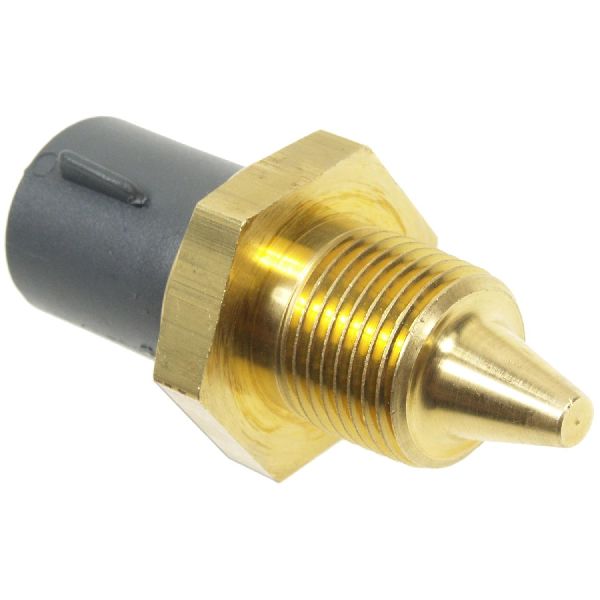
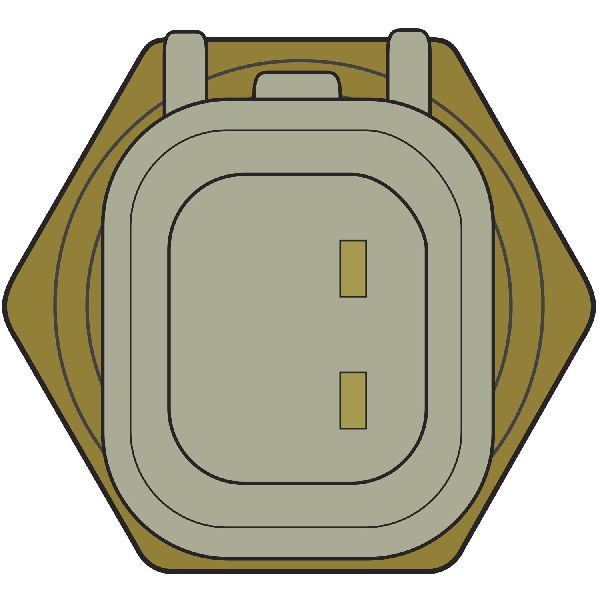
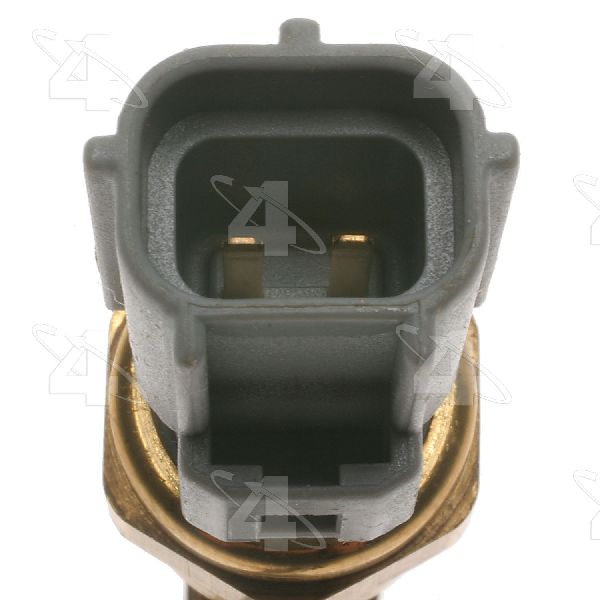
For most 2009-2019 models, this is a Cylinder Head Temperature (CHT) sensor that functions as the primary coolant temperature input for the PCM. It is typically a 2-terminal sensor.
We Have This Part in Stock


The information in this article is provided for general reference and educational purposes only. Vehicle specifications, procedures, and part compatibility can vary by production date, trim level, and region. Always consult your vehicle's factory service manual and verify part numbers before purchasing or performing repairs. Safety-critical components such as airbags, seat belts, and braking systems should be installed by a qualified professional.
- Ford Taurus:
- 🎬 Helpful Videos
- 🛍️ Shop This Part
- Is Your Taurus Acting Up? It Could Be the Coolant Temp Sensor
- A Critical Note on Replacement Location
- Choosing the Right Aftermarket Sensor for Your Taurus
- Tier 1: OEM and Premium Aftermarket
- Tier 2: Quality Aftermarket Alternatives
- Tier 3: Economy Options
- Cost to Replace the Ford Taurus ECT Sensor
- Frequently Asked Questions
- 🎟️ Get 5% Off