

Honda Pilot Neutral Safety Switch & Range Sensor Guide: 2009-2019
If your Pilot won't start, shows the wrong gear, or has a flashing 'D' light, the neutral safety switch could be the problem.
- This part is most often called a 'Transmission Range Sensor' and is not just a safety switch.
- A no-start condition combined with a P0705 trouble code are the strongest indicators of a failure.
- The part is different for 2009-2015 models versus 2016-2019 models; verify the correct part for your year.
- Proper alignment of the new switch in the NEUTRAL position during installation is absolutely critical for it to work correctly.
What is a Neutral Safety Switch? It's a Transmission Range Sensor.

When you're shopping for this part for your 2009-2019 Honda Pilot, you'll see it called a Neutral Safety Switch, Transmission Range Sensor, or Position Sensor. They all refer to the same component. Its job is to read the position of the shift lever and send that signal to the rest of the vehicle. This prevents the engine from starting while in gear and ensures the transmission behaves correctly as you drive.
Common Symptoms of Failure on a 2009-2019 Pilot

A failing range sensor can cause several frustrating issues. You might notice one or more of the following:
- No Start or Intermittent Start: The most common symptom is the engine refusing to crank. You'll turn the key or press the button, the dashboard lights will come on, but nothing happens with the starter. Sometimes, wiggling the gear shifter while holding the key in the 'start' position will allow it to start, which is a classic sign of a bad switch. 🎬 Watch this if your Pilot won't start before calling a tow.
- Starts in One Gear Only: Your Pilot may start in Neutral but not in Park, or vice-versa.
- Check Engine Light: A faulty switch will almost always trigger a check engine light. The most common trouble code associated with this failure is P0705 - Transmission Range Sensor Circuit Malfunction.
- Flashing 'D' Indicator: The 'D' or drive light on your instrument cluster may blink continuously while you're driving.
- Incorrect Gear Display: The gear indicator on the dash may not match the gear you've actually selected.
- No Reverse Lights: The switch is also responsible for turning on your backup lights, so a failure can cause them to stop working.
A Serious Safety Issue
In rare cases, a shorted-out switch can allow the vehicle to start in any gear, creating a dangerous risk of the vehicle lurching forward or backward unexpectedly. If you suspect a problem, it should be addressed immediately.
Choosing the Right Aftermarket Part

For a critical electronic part like this, quality matters. While an OEM Honda part is always a safe bet, quality aftermarket brands offer a reliable alternative for less money. The brands available fall into a few tiers:
- Premium Aftermarket (e.g., Standard Ignition): Brands like Standard Motor Products (SMP) have a long-standing reputation for producing reliable electronic components that meet or exceed OEM specifications. They are a trusted choice for many professional mechanics.
- Specialty Aftermarket (e.g., Rostra Powertrain): Rostra is well-known in the transmission parts industry. They specialize in electronic transmission components and are generally considered a quality option.
- Value Brands (e.g., True Tech): These brands focus on providing the most affordable option. While they can save you money upfront, their long-term durability may not match that of premium brands. For a part that requires significant labor to access, spending a little more for a better brand can prevent having to do the job twice.
Pro Tip: The part is different for the 2nd generation Pilot (2009-2015) and the 3rd generation (2016-2019) due to different transmissions. Double-check that the part you are ordering fits your specific year.
Replacement Cost

The cost to replace the neutral safety switch on a Honda Pilot depends on the part you choose and local labor rates. The job typically takes about an hour for a professional.
| Part/Service | Estimated Cost |
|---|---|
| New OEM Honda Part | $160 - $240 |
| New Aftermarket Part | $55 - $180 |
| Shop Labor | $95 - $150 |
| Total Professional Replacement | $150 - $400+ |
Frequently Asked Questions
Is a neutral safety switch the same as a transmission range sensor?
Yes. On modern vehicles like the Honda Pilot, the part that performs the neutral safety function is integrated into the transmission range sensor, which also reports the selected gear to the computer. The terms are used interchangeably.
Where is the switch located on my Pilot?
The switch is mounted on the exterior of the transmission housing, where the shift cable lever attaches. On many Pilot models, you may need to remove the battery and battery tray to get access to it.
🎬 See how to locate and remove the switch on 2016-2019 models.Can I drive with a bad neutral safety switch?
It is not recommended. The switch could fail completely at any time, leaving you stranded and unable to start the vehicle. It can also cause unpredictable shifting or, in a worst-case scenario, allow the car to start in gear.
Does a new neutral safety switch need to be aligned?
Yes, this is a critical step. The new switch must be installed while the transmission is physically in the Neutral position. The switch itself has alignment marks that must be lined up perfectly before you tighten the mounting bolts. Failure to do this will result in incorrect gear readings, no-start issues, or shifting problems.
Helpful Videos

Technical Specifications
OEM Part Numbers: 28900-RYF-023 (Fits 2009-2015 Pilot) 28900-RT4-003 W0133-1986943 (Fits 2016-2020 Pilot)
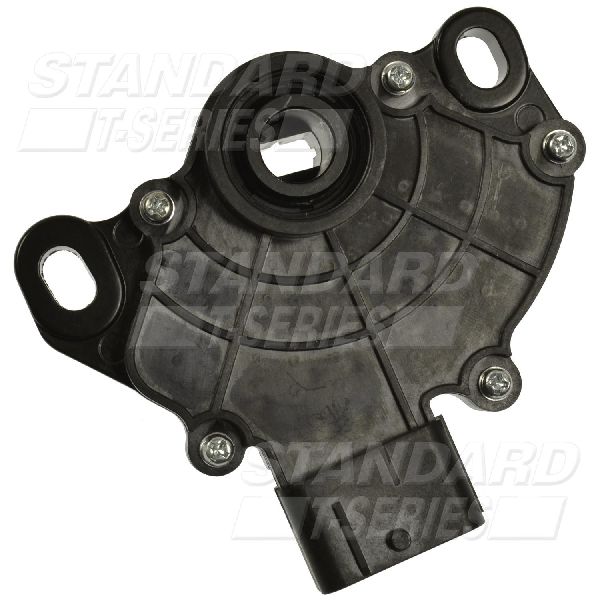
Located on the exterior of the transmission case. It is an electronic sensor with a multi-pin connector that aligns with the manual shift shaft. Requires precise alignment to the 'Neutral' position upon installation.
We Have This Part in Stock


The information in this article is provided for general reference and educational purposes only. Vehicle specifications, procedures, and part compatibility can vary by production date, trim level, and region. Always consult your vehicle's factory service manual and verify part numbers before purchasing or performing repairs. Safety-critical components such as airbags, seat belts, and braking systems should be installed by a qualified professional.
- Honda Pilot: