

Dodge Journey Crankshaft Position Sensor (2009-2020): A Complete Guide
Having trouble with your Dodge Journey stalling or not starting? Your crankshaft position sensor might be the culprit.
- Common symptoms include engine stalling, no-starts, and a check engine light with code P0335.
- The sensor location differs between the 2.4L (rear of engine) and 3.6L (lower passenger side) engines.
- A recall (16V-907) and TSBs (18-024-10, 18-033-16) exist for certain model years related to this sensor and its wiring.
- While a DIY replacement is possible, some vehicles may require a 'relearn' procedure with a proper scan tool afterward.
Understanding Crankshaft Position Sensor Failure in Your Dodge Journey
A failing crankshaft position sensor is a common issue that can leave you stranded. These sensors can fail from heat and age, leading to a range of engine problems. For the 2009-2020 Dodge Journey, symptoms often start as intermittent issues, like stalling when the engine is warm, and can progress to a no-start condition. Recognizing the signs early can save you from a tow and a bigger headache.
Known Issues: Recalls and Technical Service Bulletins (TSBs)
There was a recall (NHTSA 16V-907) for some 2016 Dodge Journey models concerning the crankshaft sensor. The issue was an improperly manufactured electrical connector that could cause an intermittent signal, leading to stalling or a no-start condition. Additionally, Technical Service Bulletin (TSB) 18-024-10 was issued for 2009-2010 models with V6 engines that set a P0339 code, which could sometimes be fixed by adding a shim to the sensor. Another TSB (18-033-16) for 2015 models noted that a software update could resolve a false P0335 code.
Choosing the Right Aftermarket Crankshaft Sensor
When replacing the crankshaft sensor, you have a choice between OEM (Mopar) and various aftermarket brands. While OEM is a safe bet, high-quality aftermarket parts can offer reliable performance at a better price. Based on owner feedback and brand reputation, here's how you can categorize your options:
- Premium Aftermarket (Delphi, Hitachi, NGK/NTK, Standard Ignition): These brands are often original equipment suppliers to many automakers and are known for their quality and reliability. They are a solid choice for a long-lasting repair.
- Quality Aftermarket (Dorman, Holstein, Walker Products): These brands provide a good balance of quality and value. They are direct-fit replacements and are widely available.
- Value-Oriented (Encore Automotive, Global Parts, and other store brands): These are the most budget-friendly options. While they meet basic fitment requirements, their long-term durability may not match that of premium brands.
Pro Tip: Some owners have reported that after replacing a failed crankshaft sensor, a camshaft sensor failed shortly after. If your Journey has high mileage, consider replacing the camshaft position sensors at the same time for peace of mind, especially if you are getting correlation codes like P0016.
Replacement Cost
The cost to replace a crankshaft position sensor in a Dodge Journey can vary. The part itself is relatively inexpensive, but labor costs can add up, especially for V6 models where the sensor is harder to access.
| Item | Estimated Cost |
|---|---|
| New OEM (Mopar) Part | $52 - $76 |
| New Aftermarket Part | $17 - $59 |
| Shop Labor | $90 - $180 |
| Total Estimated Cost (DIY) | $17 - $59 |
| Total Estimated Cost (Shop) | $107 - $239 |
Frequently Asked Questions (FAQ)
Where is the crankshaft position sensor located on the Dodge Journey?
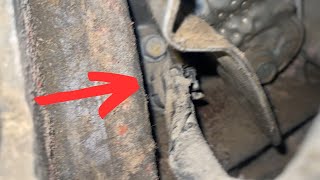
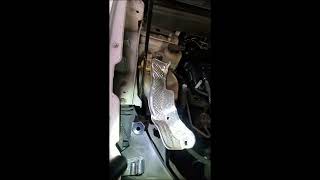
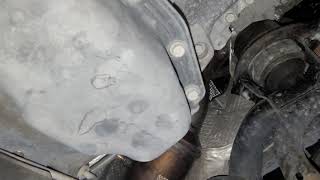
The location depends on your engine. For the 2.4L 4-cylinder engine, the sensor is on the back of the engine block, near the transmission. You'll likely need to remove a heat shield to access it. 🎬 Watch this step-by-step replacement guide for the 2.4L engine. For the 3.6L V6 engine, it is located on the lower right (passenger) side of the engine, near the rear and behind a motor mount.
🎬 See the exact location of the sensor on V6 models.Can I replace the crankshaft position sensor myself?
Yes, this is a feasible DIY job for someone with basic mechanical skills and tools. For the 2.4L engine, access is tight but manageable from underneath the vehicle. The V6 is more challenging due to the sensor's location. You will need to safely raise the vehicle and may need socket extensions and a swivel to reach the mounting bolt.
What are the most common trouble codes for a bad crankshaft sensor?
The most common trouble code is P0335 (Crankshaft Position Sensor "A" Circuit). 🎬 Learn how to diagnose P0335 codes and related engine misfires. You might also see P0339 (Crankshaft Position Sensor Intermittent) or P0016 (Crank/Cam Position Correlation).
Do I need to perform a 'relearn' procedure after replacing the sensor?
Some owners have noted that a crankshaft/camshaft relearn procedure may be necessary after replacement to avoid new error codes or a no-start condition. While not always required, if you experience issues after installation, a relearn with a capable OBD2 scanner may be needed.
What's the difference between a crankshaft and a camshaft sensor?
They work together but measure different things. The crankshaft sensor tracks the speed and position of the crankshaft (pistons' movement), while the camshaft sensor(s) track the position of the camshaft(s) (valves' movement). Both are critical for engine timing.
Helpful Videos
Technical Specifications
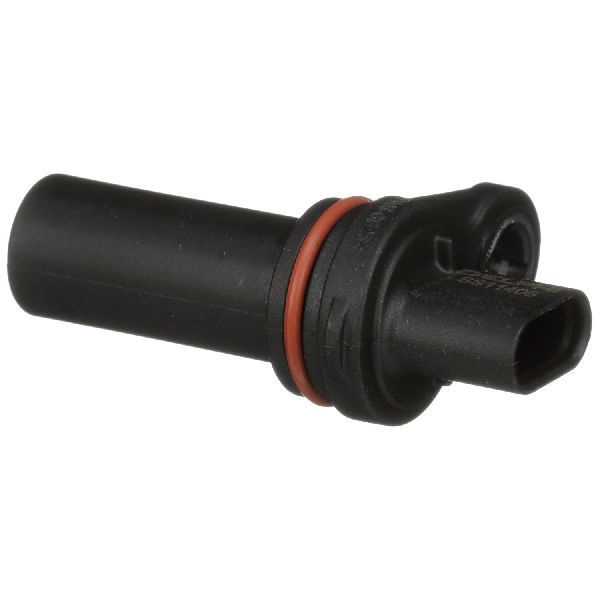
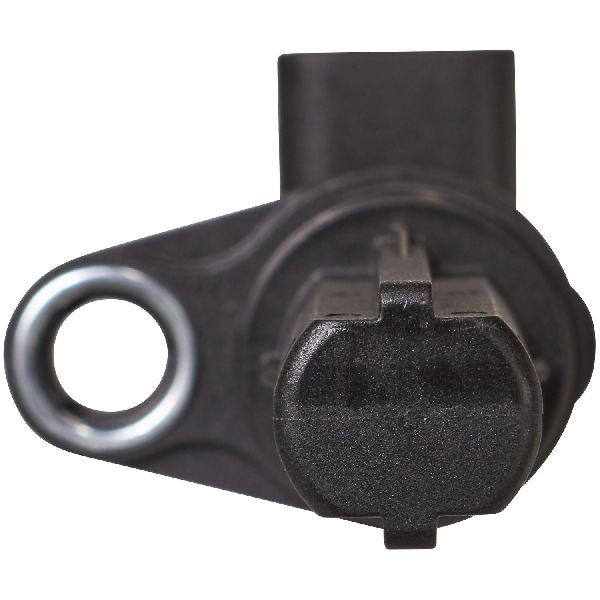
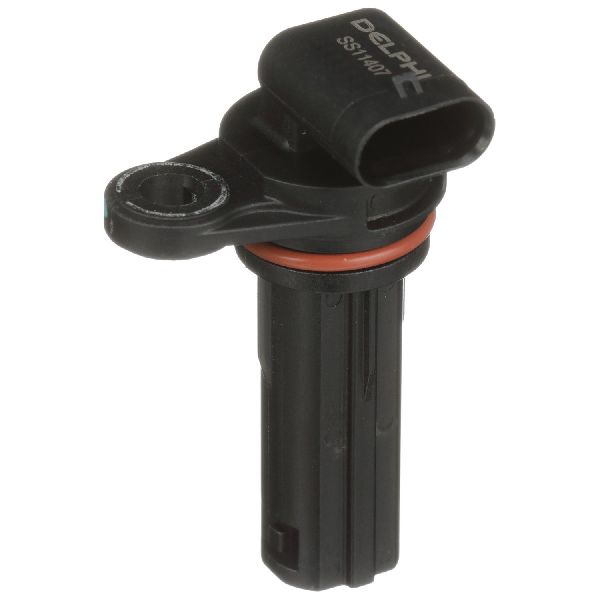
OEM Part Numbers: 05033307AC 5033307AC 05033307AB 05033307AE 5149054AC
Magnetic Hall-effect sensor that reads the crankshaft reluctor wheel to determine engine speed and position.
We Have This Part in Stock


The information in this article is provided for general reference and educational purposes only. Vehicle specifications, procedures, and part compatibility can vary by production date, trim level, and region. Always consult your vehicle's factory service manual and verify part numbers before purchasing or performing repairs. Safety-critical components such as airbags, seat belts, and braking systems should be installed by a qualified professional.
- Dodge Journey: