

Nissan Maxima Engine Oil Pressure Switch: A Comprehensive Guide (2009-2020)
Seeing your oil light flicker or stay on? This small sensor is often the reason, and this guide will help you understand why.
- A flickering oil light on a Maxima is very often a faulty switch, not necessarily a failing engine.
- Always check your oil level first before assuming the switch is the problem.
- A visible oil leak from the switch itself is a definite sign that it needs to be replaced.
- A quality aftermarket switch is a cost-effective and reliable alternative to the OEM part for this specific repair.
Understanding a Common Maxima Issue
If you own a 2009-2020 Nissan Maxima, a flickering or constantly lit oil pressure light is a common symptom you might encounter. While this light can indicate a serious low oil pressure problem, it's frequently caused by a failure of the oil pressure switch itself. Before assuming the worst, it's important to check your oil level. If the level is correct, the switch becomes the primary suspect.
Symptoms of a Failing Oil Pressure Switch
Recognizing the signs of a bad oil pressure switch can save you from unnecessary worry and help you address the problem quickly. Here’s what to look for:
🎬 Watch this guide on common warning signs of a bad sensor.- Oil Pressure Light On or Flickering: This is the most common symptom. The light may flicker at idle when the engine is warm and go off when you accelerate. It can also stay on constantly, even if the oil level is full.
- Visible Oil Leak: The switch itself can fail and leak oil. You may notice oil residue on the sensor, the engine block beneath it, or drips on the ground. The plastic housing can crack or the internal seal can fail, allowing oil to seep through.
- Check Engine Light: A faulty oil pressure switch can trigger a Check Engine Light, often with diagnostic trouble codes like P0520, P0521, P0522, P0523, or P0524.
First Step: Check Your Oil Level
Before replacing any parts, always check your engine oil level with the dipstick. Driving with a genuinely low oil level can cause catastrophic engine damage. If the level is low, top it off and monitor for leaks. If the level is correct, the problem is likely the sensor or the oiling system itself.
Choosing the Right Aftermarket Part
When replacing the oil pressure switch, you have a choice between the Original Equipment Manufacturer (OEM) part from Nissan and various aftermarket brands. For a simple but critical part like this, a quality aftermarket brand can offer significant savings without sacrificing reliability.
- Premium Aftermarket (e.g., Standard Ignition, Beck Arnley): These brands are well-regarded for producing parts that meet or exceed OEM specifications. They are a reliable choice for durability and a proper fit, offering a good balance between cost and quality.
- Standard Aftermarket (e.g., Facet, Vemo): These brands provide a functional replacement that gets the job done at a more budget-friendly price point. They are a solid option for a standard repair.
- Value Options (e.g., Global Parts, Rostra Powertrain): These are typically the most affordable options. While they meet the basic requirements, they may not have the same longevity or rigorous testing as premium brands.
OEM vs. Aftermarket Quality
The original Nissan oil pressure switches are known to fail by leaking or sending false signals. A high-quality aftermarket replacement from a reputable brand like Standard Ignition or Beck Arnley is often just as reliable, if not more so, than a new OEM part, and usually at a lower cost. The key is to avoid the cheapest unbranded options, which may fail prematurely.
Cost of Replacing the Engine Oil Pressure Switch
The cost can vary depending on the parts you choose and whether you do the work yourself. The job is relatively simple for those with basic tools.
| Item | Estimated Cost |
|---|---|
| New OEM Part | $27 - $105 |
| New Aftermarket Part | $15 - $125 |
| Shop Labor | $66 - $97 |
| Total Professional Repair | $124 - $222+ |
Frequently Asked Questions
Where is the oil pressure switch located on my 2009-2020 Maxima?
The engine oil pressure switch on the Nissan Maxima with the 3.5L V6 engine is located near the oil filter, screwed into the engine block. You will likely need 🎬 See exactly where the sensor is located on the engine block. to raise the vehicle and remove the front passenger-side wheel and a plastic splash shield to gain access.
Can I replace this part myself?
Yes, this is a DIY-friendly repair for most home mechanics. It involves safely raising the vehicle, removing the wheel and a splash guard, unplugging the electrical connector, and using a special deep socket (often an oil pressure switch socket) 🎬 Follow this step-by-step video to install your new oil pressure switch. to unscrew the old switch and install the new one. Remember to place a drain pan underneath, as some oil will spill out.
What happens if I ignore a bad oil pressure switch?
Ignoring it is risky. If the switch has failed and is giving a false warning, you won't know if a real, engine-destroying low oil pressure event occurs. Conversely, if the switch has failed to report a genuine low-pressure problem, you could be unknowingly causing severe wear to your engine. A leaking switch can also lead to significant oil loss over time.
Are there any recalls for this issue?
As of early 2026, there are no specific NHTSA safety recalls for a failing engine oil pressure switch on the 2009-2020 Nissan Maxima. There have been other recalls for this vehicle range, such as for brake fluid leaks on some 2016-2017 models, but not for this specific component.
Does the new switch need sealant?
Many new oil pressure switches come with a thread sealant pre-applied. If your new switch does not have sealant on the threads, it is a good practice to apply a small amount of automotive thread sealant (not Teflon tape) to ensure a leak-free seal.
Helpful Videos

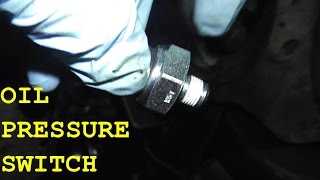
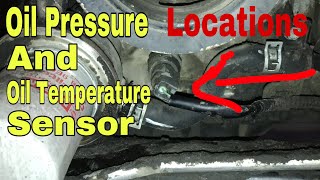

Technical Specifications
OEM Part Numbers: 25240-4M40E 25240-JA00A 25070-3JT0A
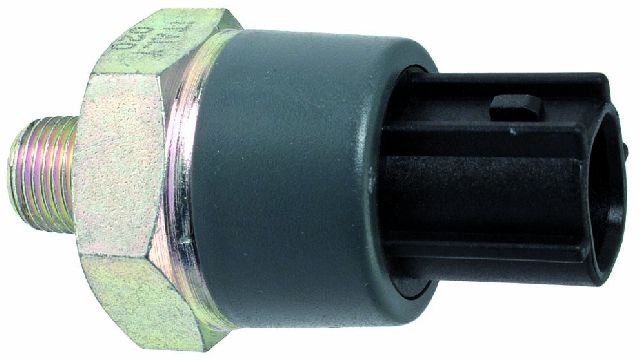
Single pin (1-terminal) connector, threaded body for engine block installation. Socket size for removal/installation can vary between OEM and aftermarket parts (e.g., 27mm for original, 22mm for replacement).
We Have This Part in Stock

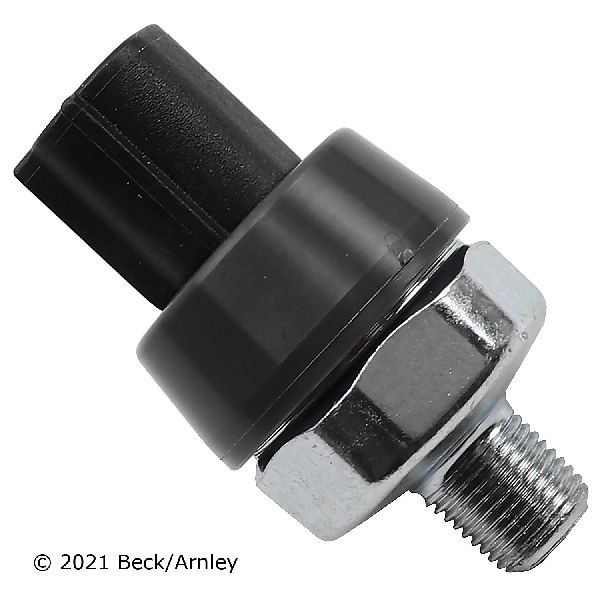
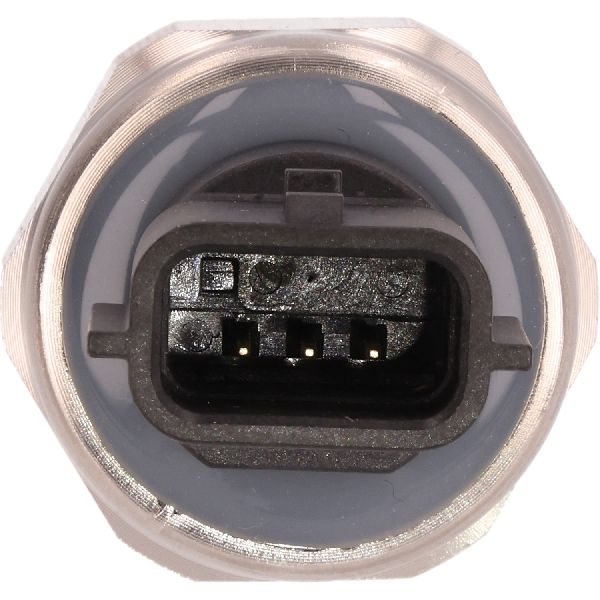

The information in this article is provided for general reference and educational purposes only. Vehicle specifications, procedures, and part compatibility can vary by production date, trim level, and region. Always consult your vehicle's factory service manual and verify part numbers before purchasing or performing repairs. Safety-critical components such as airbags, seat belts, and braking systems should be installed by a qualified professional.
- Nissan Maxima: