

A Guide to Replacing Disc Brake Pads on Your 2009-2020 Renault Koleos
Understand the signs of wear and choose the right aftermarket brake pads for your Koleos.
- Listen for squealing noises, which are the first sign your pads are low.
- Brake pads should always be replaced as an axle set (both front wheels or both rear wheels).
- Replacing rear pads on 2017-2020 models is complex due to the electronic parking brake and may require a professional.
- For best performance and safety, it's recommended to replace the brake rotors along with the pads.
Symptoms of Worn Brake Pads

Your Renault Koleos will give you several warning signs when the brake pads are nearing the end of their life. Ignoring these can lead to more expensive repairs and unsafe driving conditions.
- Squealing or Screeching Noises: Most brake pads have a built-in metal wear indicator. When the pad material gets low, this small metal tab scrapes against the rotor, creating a high-pitched squeal as a warning.
- Grinding Sounds: If you hear a deep, metallic grinding noise, it means the brake pad material is completely gone. This is a critical situation where metal is grinding against metal, which can quickly destroy your brake rotors and reduce stopping power.
- "Braking System Fault" Warning: Your Koleos may display a "Braking System Fault" message. While this can be triggered by several issues, including low fluid or a bad sensor, it can also indicate that the brake pads are excessively worn.
- Longer Stopping Distance: If you notice it takes longer to stop your vehicle than it used to, your brake pads may be worn out and unable to create enough friction.
Generation and Electronic Parking Brake (EPB) Differences
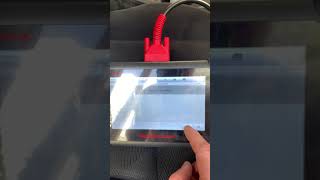
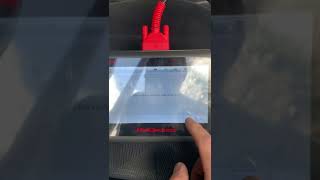
The brake replacement procedure, especially for the rear, differs between Koleos generations. The first generation (2009-2016) typically uses a central EPB motor that pulls cables to a drum brake inside the rear rotor hub. The second generation (2017-2020) uses electronic calipers where the motor is part of the caliper itself. Replacing rear pads on a second-gen Koleos is more complex and may require a special diagnostic tool to retract the electronic parking brake before you can press the piston back. Attempting to force the piston back can damage the caliper.
Choosing the Right Aftermarket Brake Pads

Aftermarket brake pads offer a wide range of price and performance options. They are generally categorized into tiers based on quality and intended use.
Economy / Daily Driver Pads
These are the most affordable options, designed for typical commuting and daily driving. They provide reliable stopping power for normal use. Brands in this category include Pronto and Total Stopping Solutions.
Standard / OE-Quality Pads
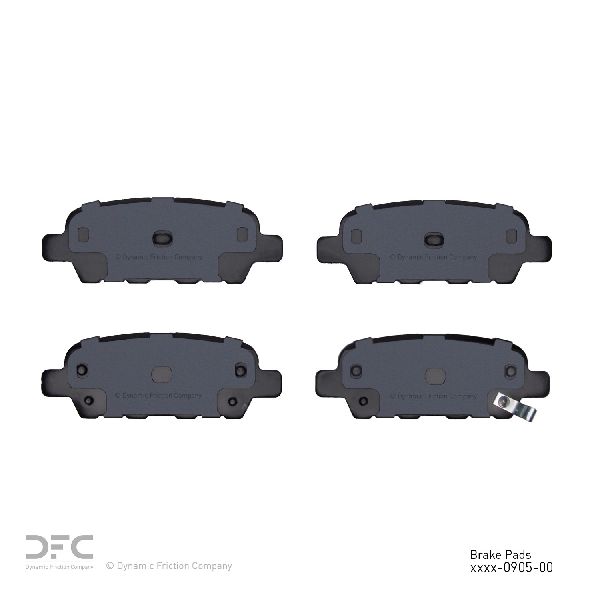
This is the most popular category. These pads are designed to meet or slightly exceed the performance of the original factory pads. They offer a great balance of performance, low noise, and durability. Brands like Centric and Dynamic Friction fit into this tier.
Premium / Performance Pads
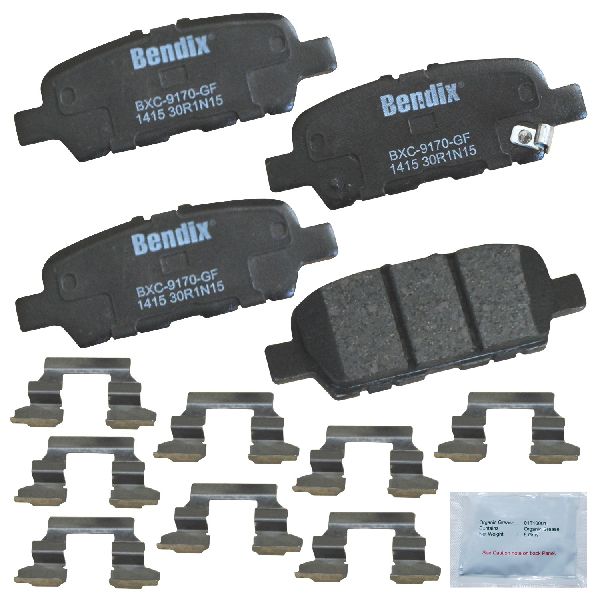
For drivers who want improved stopping power, better fade resistance, or are towing, premium pads are a good choice. They may produce slightly more dust or noise but offer superior performance under demanding conditions. Brands like Bendix and StopTech are in this category. Bendix is a well-regarded brand among Koleos owners in markets where the vehicle is common.
| Brand Tier | Typical Price Range (per axle) | Best For |
|---|---|---|
| Economy (Pronto, Total Stopping Solutions) | $25 - $45 | Basic commuting, budget-conscious repairs |
| Standard (Centric, Dynamic Friction) | $45 - $75 | Everyday driving, matching OEM performance |
| Premium (Bendix, StopTech) | $75 - $105 | Spirited driving, towing, enhanced stopping power |
Known Issues, Recalls, and TSBs

No specific recalls or Technical Service Bulletins (TSBs) have been issued by the NHTSA for the brake pads on the 2009-2020 Renault Koleos, as the vehicle was not officially sold in the North American market. Searches of international databases did not find any recalls specifically for brake pad failure. Some owners have reported intermittent "Braking System Fault" warnings, which can sometimes be related to worn pads, but also to other issues like low battery voltage or sensor faults. The most significant known issue is the complexity of the rear electronic parking brake on 2017 and newer models, which requires special procedures for service.
Should I Replace My Rotors at the Same Time?
It is highly recommended to replace your brake rotors when you install new pads. New pads on a worn or uneven rotor surface can lead to noise, vibration, and reduced performance. Since the Koleos is a heavy vehicle, ensuring the entire brake system is in top condition is crucial for safety. Aftermarket rotors typically cost between $30 and $75 each.
Frequently Asked Questions (FAQ)
How often do I need to replace my Koleos brake pads?
The lifespan of brake pads depends heavily on your driving style and conditions. A typical range is between 30,000 and 70,000 km (approximately 18,000 to 43,000 miles). If you do a lot of city driving with frequent stops, you will need to replace them more often than a driver who primarily travels on highways.
What is the difference between ceramic and semi-metallic pads?
Semi-metallic pads contain metal fibers that help dissipate heat and provide strong braking performance, making them good for heavy vehicles or performance use. Ceramic pads are known for being quieter, producing less brake dust, and being gentler on rotors, making them a great choice for daily driving comfort.
Can I replace just the front or rear brake pads?
Yes, you can replace pads for just one axle (front or rear). However, you must always replace the pads on both sides of the same axle (left and right) at the same time to ensure even braking.
Do I need a special tool to change the rear brake pads?
For the second-generation Koleos (2017-2020), yes, it is highly recommended. These models have an integrated electronic parking brake. To retract the piston, you may need a diagnostic scan tool to put the caliper into a service mode. Forcing the piston can cause expensive damage. The first-generation models (2009-2016) have a different system that is typically less complex.
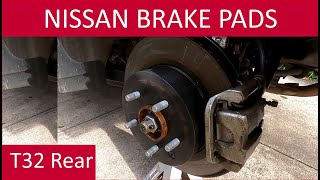
Helpful Videos
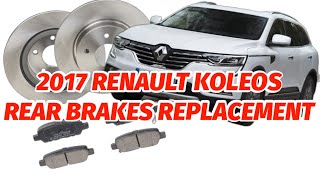
Technical Specifications
OEM Part Numbers: 410601408R D10804BA0A 410608481R
The 2009-2020 Renault Koleos uses different brake pads for the first generation (2009-2016, platform HY) and second generation (2017-2020, platform HC). The first generation front rotors are typically 320mm. The second generation may have an integrated electronic parking brake on the rear calipers, which complicates service. Always verify parts by your vehicle's VIN.
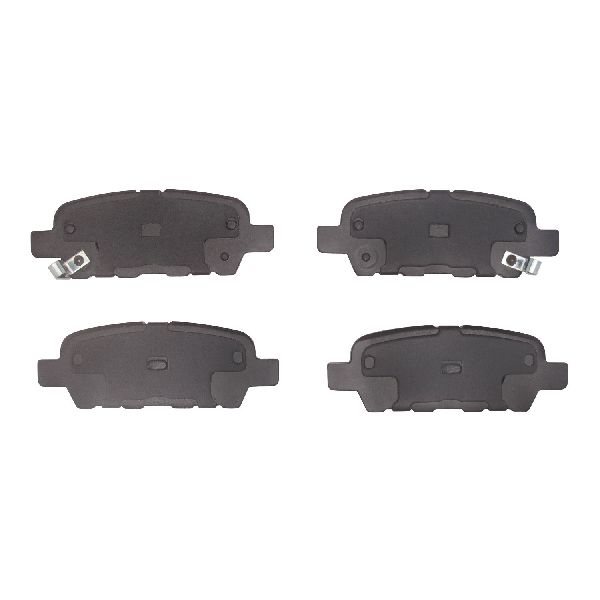
We Have This Part in Stock
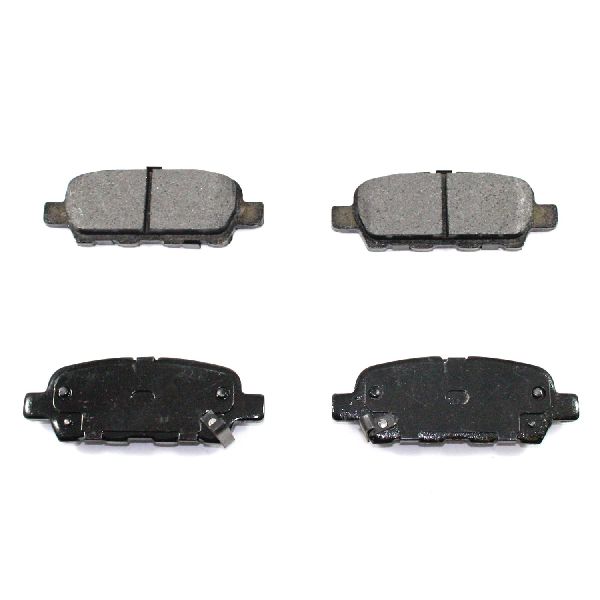
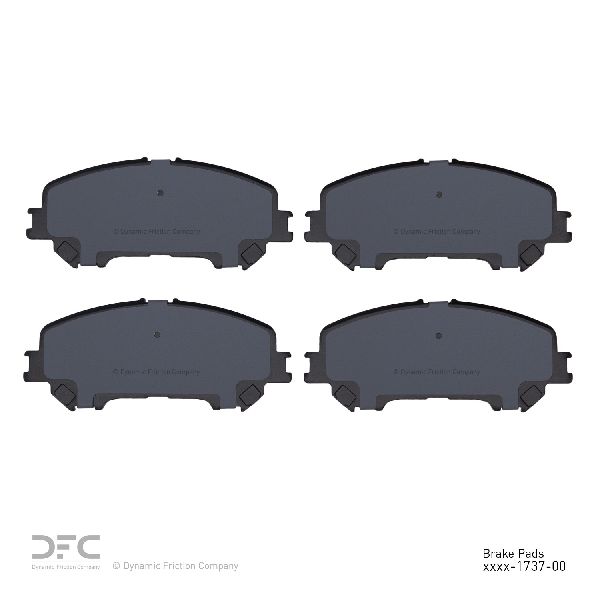
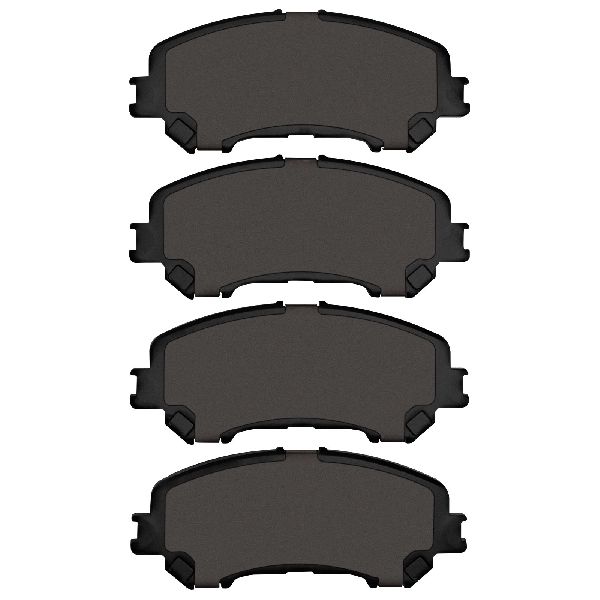

The information in this article is provided for general reference and educational purposes only. Vehicle specifications, procedures, and part compatibility can vary by production date, trim level, and region. Always consult your vehicle's factory service manual and verify part numbers before purchasing or performing repairs. Safety-critical components such as airbags, seat belts, and braking systems should be installed by a qualified professional.
- Renault Koleos:
- 🎬 Helpful Videos
- 🛍️ Shop This Part
- Symptoms of Worn Brake Pads
- Generation and Electronic Parking Brake (EPB) Differences
- Choosing the Right Aftermarket Brake Pads
- Economy / Daily Driver Pads
- Standard / OE-Quality Pads
- Premium / Performance Pads
- Known Issues, Recalls, and TSBs
- Should I Replace My Rotors at the Same Time?
- Frequently Asked Questions (FAQ)
- 🎟️ Get 5% Off