

Audi Q5 (2009-2021) Windshield Washer Pump: A Complete Replacement Guide
Don't let a failed washer pump compromise your visibility; here's what you need to know to fix it.
- Always check the fuse first; a blown fuse is a common and simple fix for a non-working washer system.
- Replacement is a simple DIY job, accessible by removing the front passenger-side wheel well liner.
- Quality aftermarket brands like Vemo, Trico, and URO offer reliable and cost-effective alternatives to the OEM part.
- The same pump typically supplies both the front and rear washers, simplifying diagnosis.
Common Failure Symptoms

A failing windshield washer pump usually makes itself known in obvious ways. If you activate the washer and nothing happens, the pump is a likely suspect. Before assuming the pump is dead, always check the washer fluid level and the fuse first. A simple blown fuse can mimic complete pump failure.
- No Fluid Spray: The most common symptom. You pull the stalk, the wipers move, but no fluid comes out of the front or rear nozzles.
- Silent Operation: You don't hear the familiar whirring or humming sound of the pump motor when you try to use the washers.
- Motor Hums, No Fluid: If you can hear the pump running but no fluid sprays, the pump's impeller may be broken, or you could have a blockage in the lines or clogged nozzles.
- Leaks: Puddles of blue, green, or orange washer fluid under the front passenger side of your Q5 can indicate a cracked pump housing or a bad seal where the pump enters the reservoir.
Check Fuses First!
Many Q5 owners have reported complete washer system failure, only to find the solution was a simple blown 15A fuse. This can save you the cost and effort of replacing a perfectly good pump. Check the fuse panel before buying any parts.
Choosing the Right Aftermarket Pump

For the Audi Q5, the original equipment (OEM) washer pump is a reliable part, but it can be pricey. Aftermarket pumps offer a cost-effective alternative without a significant drop in quality for this specific component. The key is choosing a reputable brand.
The brands available in our inventory provide a good range of options:
- Vemo: Often considered a high-quality aftermarket brand, sometimes even an OEM supplier for various German car parts. Vemo parts are known for their fit and durability, making them a solid choice if you want something close to original quality without the dealer price tag.
- Trico: While famous for wiper blades, Trico also produces washer pumps. They are generally designed to be easy-to-install, reliable replacements that meet OEM specifications, making them a dependable mid-tier option.
- URO Parts: URO is a well-known budget-friendly aftermarket brand. For a simple part like a washer pump, URO can be a very economical choice that gets the job done. While some users have mixed reviews on their more complex electronic parts, their basic components like pumps are often reviewed favorably for their value.
DIY Replacement Guide

Replacing the washer pump on a 2009-2021 Audi Q5 is a straightforward job that most DIYers can handle in about an hour.
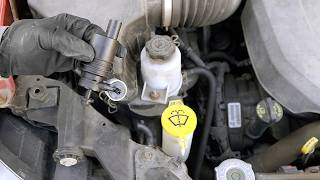
- Access the Pump: The pump is located on the washer fluid reservoir, which is situated in the front passenger-side wheel well. You will need to turn the steering wheel all the way to the right (or remove the wheel) and remove the plastic fender liner to gain access.
- Drain the Reservoir: Have a bucket ready. Once you access the pump, disconnecting it will drain the entire reservoir.
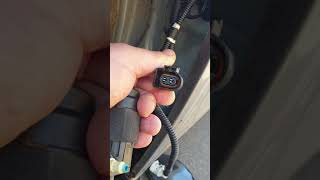
- Remove the Old Pump: Disconnect the electrical connector and the washer fluid hoses. The pump itself is usually just pressed into a rubber grommet on the reservoir. Wiggle and pull it straight out.
- Install the New Pump: Seat the new rubber grommet firmly in the reservoir. Then, press the new pump into the grommet, reconnect the hoses and electrical connector, and secure the fender liner.
Pro Tip: It's a good idea to replace the small rubber grommet that seals the pump to the reservoir at the same time. This grommet can become hard and brittle over time, and a new one ensures a leak-free seal.
Frequently Asked Questions

Is there a separate pump for the rear window washer?
No, on the Audi Q5, a single dual-outlet pump typically operates both the front and rear washers. If only one direction (front or rear) is working, the issue might be within the pump's internal diverter or a blockage in the specific line, but it's still a single pump unit.
Are there any recalls for the Audi Q5 washer pump?
There are no specific recalls for the windshield washer pump itself. However, there have been recalls for other components on the Q5, such as an electric coolant pump and a gateway control module susceptible to water damage, but these are unrelated to the washer pump's function.
Why do my washers still not work after replacing the pump?
First, re-check the fuse. If the fuse is good, check for clogs. Disconnect the hose from the pump and see if it sprays. If it does, the blockage is further down the line, likely at the nozzles themselves. You can often clear clogged nozzles with a small pin or compressed air.
What type of washer fluid should I use?
Use a quality, commercially available windshield washer fluid. Avoid using plain water, as it can freeze and crack the reservoir or pump in cold weather and doesn't have the cleaning agents needed to be effective. Some washer fluids with additives like rain repellents can sometimes affect the fluid level sensor, so using a standard blue fluid is often the safest bet.
Helpful Videos

Technical Specifications
OEM Part Numbers: 1K6955651 1T0955651A 1J6955651
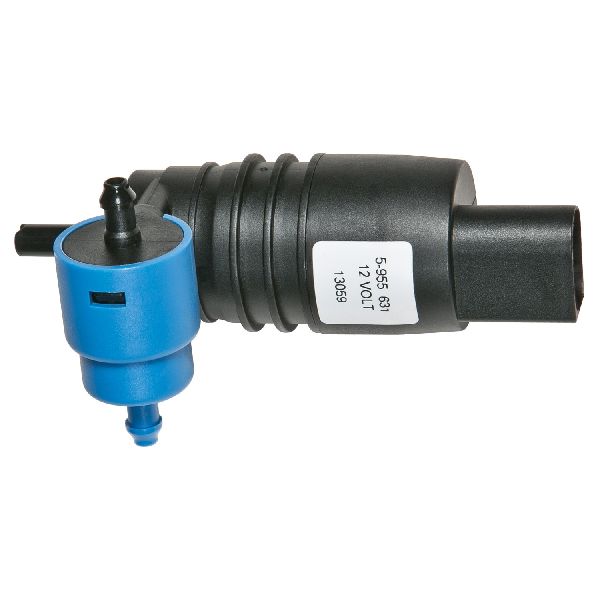
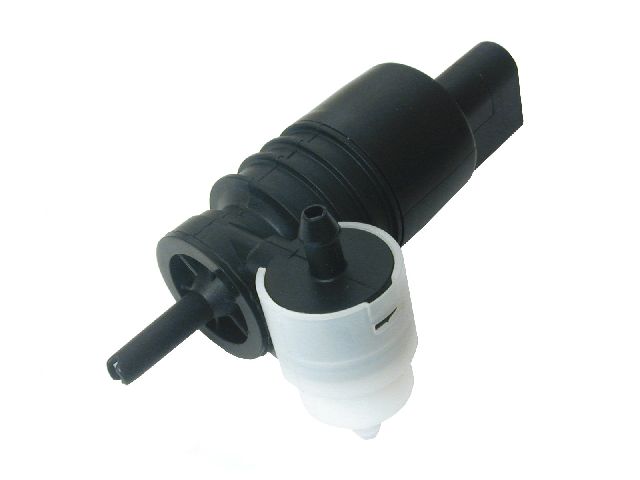
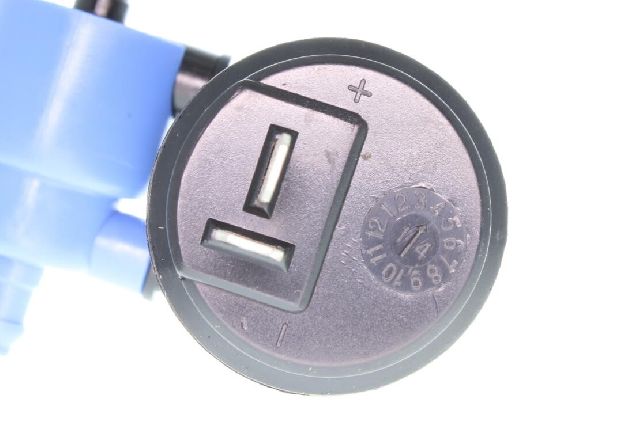
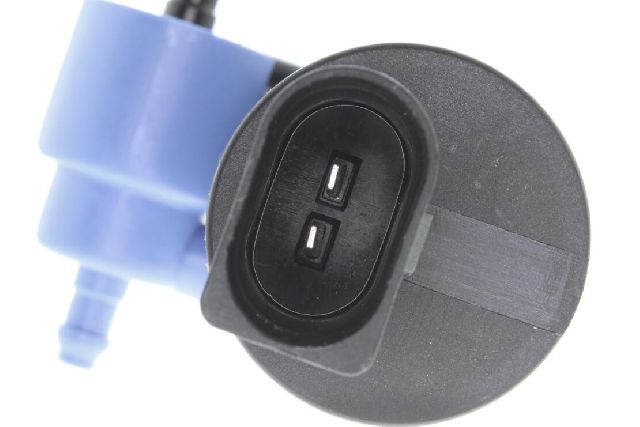
Dual outlet pump for front and rear wash functionality. Operates on the vehicle's 12V electrical system. Mounts to the washer fluid reservoir via a rubber grommet.
We Have This Part in Stock

The information in this article is provided for general reference and educational purposes only. Vehicle specifications, procedures, and part compatibility can vary by production date, trim level, and region. Always consult your vehicle's factory service manual and verify part numbers before purchasing or performing repairs. Safety-critical components such as airbags, seat belts, and braking systems should be installed by a qualified professional.
- Audi Q5: