

Chevrolet Traverse Engine Coolant Temperature Sensor: A Complete Guide (2009-2023)
Learn to diagnose and replace the faulty engine coolant temperature sensor causing your Traverse's temperature gauge, A/C, and cooling fan issues.
- Common symptoms are a dead temperature gauge, cooling fans that won't turn off, and a disabled A/C system.
- This is an excellent DIY repair; the part is inexpensive and located accessibly next to the oil dipstick on the 3.6L engine.
- Owners of 2018 models should be aware of TSB 17-NA-390, which may require an ECM software update for P111E codes.
- Choose a quality aftermarket brand like ACDelco, Delphi, Bosch, or NTK for a reliable, long-lasting repair.
Is Your Traverse's ECT Sensor Failing?

A bad Engine Coolant Temperature (ECT) sensor on a 2009-2023 Chevrolet Traverse can cause a variety of confusing symptoms. Because the sensor provides key data to the engine's computer, its failure can make the vehicle behave erratically. Many owners first notice a problem when the temperature gauge on the dash drops to zero or fluctuates wildly, the A/C stops blowing cold air, and the engine cooling fans run constantly, even after the vehicle is turned off.
🎬 Watch: Why your radiator fans stay on all the timeCommon Symptoms of a Bad ECT Sensor

- Check Engine Light: A Check Engine Light is very common. Associated trouble codes often include P0115, P0117, P0118, P0119, or P111E. 🎬 See how to test and replace a faulty temperature sensor
- Cooling Fans Won't Shut Off: The engine computer loses the temperature reading and runs the fans on high as a fail-safe to prevent overheating.
- A/C Stops Working: The system may disable the air conditioning compressor when it can't verify a safe engine operating temperature.
- Faulty Temperature Gauge: The gauge may read cold, hot, or bounce around unpredictably.
- Poor Fuel Economy: The computer may think the engine is always cold, causing it to run a rich fuel mixture, which wastes gas.
- Black Smoke from Exhaust: In severe cases, the rich fuel mixture may not burn completely, resulting in black smoke from the tailpipe.
Vehicle-Specific Known Issues
For 2018 Traverse Models: General Motors issued Technical Service Bulletin (TSB) 17-NA-390 for some 2018 Traverses. Symptoms include a "Power Steering Assist Reduced" message, an inoperative A/C, and a Check Engine Light with code P111E (Engine Coolant Temperature Sensor Not Plausible). The bulletin states this can be caused by a software calibration issue. The fix involves inspecting the sensor's electrical connector and updating the Engine Control Module (ECM) software at a dealership.
For 2024-2025 Traverse Models: TSB 24-NA-224 notes that an "Engine Over Temperature" message can appear if a faulty temperature sensor causes the ECM to restrict coolant flow to the radiator.
Choosing the Right Aftermarket Sensor

Since the part itself is inexpensive, choosing a quality brand is a smart investment. For your Traverse, you have several good options.
- OEM/Premium Brands (ACDelco, Delphi): ACDelco is the original equipment manufacturer for GM vehicles, making it a guaranteed fit and performer. Delphi also has a strong OE heritage and is known for quality sensors. These are your top-tier choices.
- Trusted Aftermarket Brands (Bosch, NGK/NTK, Standard Motor Products): Brands like Bosch, NTK, and Standard (SMP) are well-respected in the industry and produce reliable sensors that meet or exceed OEM specifications. They offer a great balance of quality and price.
- Value Brands: While there are many budget-friendly options, it's wise to stick with established names for a critical sensor like this to avoid premature failure and repeat repairs.
| Part Type | Estimated Cost |
|---|---|
| New Aftermarket Part | $10 - $43 |
| New OEM Part (ACDelco) | $25 - $55 |
| Shop Labor | $85 - $135 |
| Total Professional Repair | $100 - $190 |
DIY Replacement Guide

Replacing the ECT sensor on the 3.6L V6 Traverse is a straightforward DIY job that can be done in under an hour with basic tools. The sensor is located on the front of the engine, right next to the oil dipstick tube.
🎬 Watch this step-by-step temperature sensor replacement walkthrough- Let the Engine Cool: Ensure the engine is completely cool to the touch.
- Access the Sensor: Remove the plastic engine cover by unscrewing the oil cap and pulling the cover straight up. Pull the oil dipstick out to give yourself more room.
- Remove Heat Shield: The sensor is protected by a small, silver metal heat shield. Slide this shield up and off the connector.
- Disconnect the Connector: This is the trickiest step. There is a small locking tab on the connector that must be pressed or slid to release it. Do not force it.
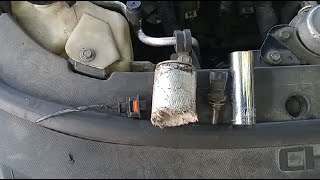
- Remove the Old Sensor: Using a 19mm (or 3/4") deep well socket, unscrew the old sensor. A small amount of coolant will leak out, so be prepared.
- Install the New Sensor: Screw the new sensor in by hand first to avoid cross-threading. Tighten it snugly with your ratchet, but do not overtighten. Reconnect the electrical connector until it clicks.
- Reassemble: Slide the heat shield back on, re-insert the dipstick, and snap the engine cover back into place. Top off any lost coolant in the reservoir. The Check Engine Light should clear after a few drive cycles.
Frequently Asked Questions
Can I drive my Traverse with a bad ECT sensor?
Yes, but it is not recommended for long. The engine will run in a fail-safe mode with the fans on high. This will cause poor fuel economy, disable your A/C, and could potentially lead to overheating if the sensor fails in a way that doesn't trigger the fans. It's best to get it repaired soon.
Why did my A/C stop working at the same time?
This is a designed fail-safe. When the engine's computer (ECM) loses the engine temperature signal, it can't be sure the engine isn't overheating. To reduce load on the engine, it disables the A/C compressor. Restoring the correct temperature signal by replacing the sensor will allow the A/C to function again.
Is the ECT sensor the same as the thermostat?
No. The ECT sensor is an electronic sensor that reads the coolant temperature. The thermostat is a mechanical valve that opens and closes to regulate the flow of coolant. While they work together, they are separate parts. A dealership once quoted a Traverse owner $400 to replace the thermostat when only the $36 sensor was bad. Always diagnose the correct part first.
Do I need to drain the coolant to replace the sensor?
No, you do not need to drain the entire cooling system. The sensor is located high up on the engine, so only a small amount of coolant will spill out when you remove the old sensor. Have the new sensor ready to install quickly to minimize the loss.
Helpful Videos

Technical Specifications
OEM Part Numbers: 12639899 12608814 213-4777
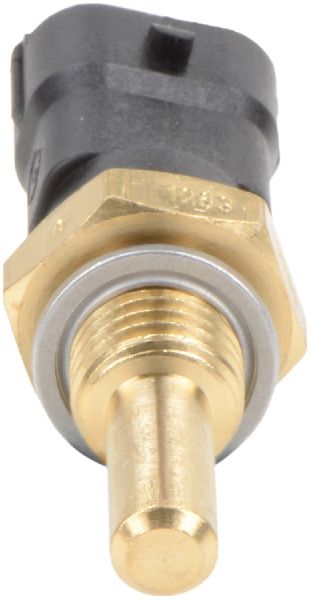
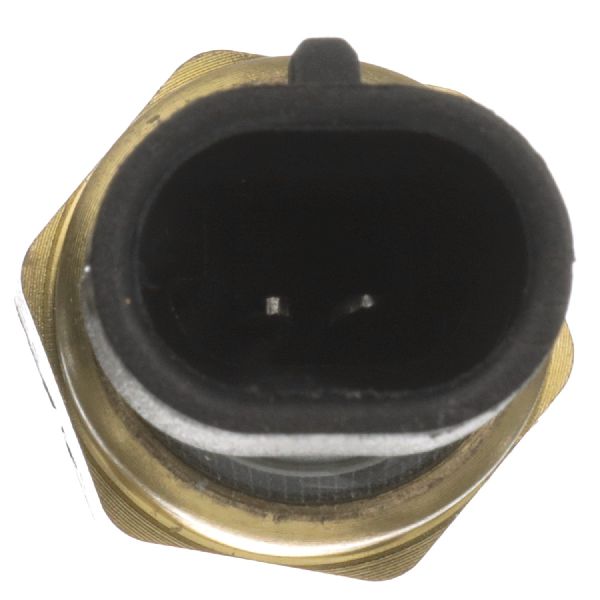
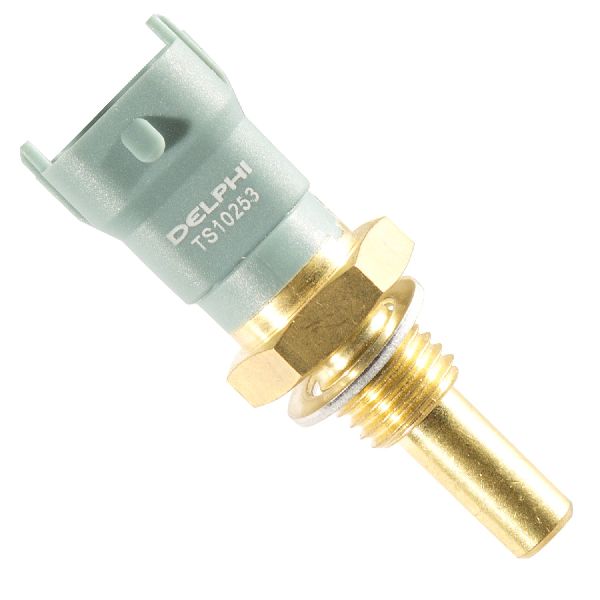
The sensor for the Chevrolet Traverse is typically a 2-pin male blade connector made of brass for accurate temperature reading.
We Have This Part in Stock


The information in this article is provided for general reference and educational purposes only. Vehicle specifications, procedures, and part compatibility can vary by production date, trim level, and region. Always consult your vehicle's factory service manual and verify part numbers before purchasing or performing repairs. Safety-critical components such as airbags, seat belts, and braking systems should be installed by a qualified professional.
- Chevrolet Traverse: