

Nissan Maxima (2009-2023) Engine Torque Strut Mount Replacement Guide
Experiencing clunks or vibrations in your Maxima? Your engine torque strut mount may be the culprit.
- A clunking noise on acceleration is the most common sign of failure for this part.
- This is a very easy DIY replacement, often taking less than an hour with basic tools.
- For a ride closest to factory smoothness, choose an aftermarket mount that is specified as 'hydraulic'.
- Nissan has a TSB acknowledging that a single 'thunk' noise on first acceleration can be normal; persistent noise indicates a problem.
Is Your Maxima's Engine Mount Failing?
The engine torque strut mount is a common wear item. The rubber bushings inside the mount break down over time from constant stress and heat, leading to noticeable symptoms. If you're hearing a clunk or feeling a jolt when you accelerate, it's a strong sign this mount needs inspection.
Key Symptoms of a Bad Torque Strut Mount:
- Clunking or Thumping Noises: A distinct "clunk" or "thud" when you accelerate, decelerate, or shift gears is the most common symptom. This is the sound of the engine moving excessively and hitting its limits.
- Excessive Vibration: You may feel vibrations through the steering wheel or the floor, especially at idle or when the A/C compressor kicks on. If the vibration lessens when you shift into Neutral, it strongly points to a bad mount.
- Jerking Sensation: The car may feel like it's jerking or jolting when you press or release the gas pedal.
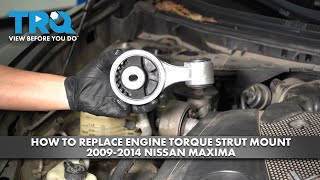
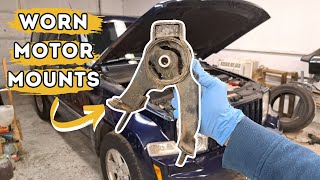
- Visual Wear: You can often see the failure. Look for cracked, torn, or separated rubber on the mount, which is typically located at the top of the engine on the passenger side. 🎬 Watch how to locate and identify a failing mount.
Known Issues & TSBs
Nissan has issued a Technical Service Bulletin (TSB NTB14-060c) for some Maxima models (2012-2014, 2016-2019) regarding a "single thunk noise" during the first few accelerations of the day. Nissan considers this normal for the two-piece front mount design and states that up to 5mm of vertical free play is acceptable. However, if you experience persistent clunking, excessive vibration, or other symptoms, the mount is likely worn beyond normal limits and should be replaced.
Choosing the Right Aftermarket Mount
When replacing the torque strut mount, you have a choice between Original Equipment (OEM) and various aftermarket brands. For a part like this, aftermarket options can offer significant savings.
Aftermarket Brand Tiers
Aftermarket brands can generally be grouped by quality and price.
- Tier 1 (Premium Aftermarket): Beck Arnley is often considered a top-tier aftermarket brand that focuses on matching OE specifications for fit, form, and function, particularly for Japanese vehicles like your Nissan. They are a strong choice if you want to restore the original ride quality and performance.
- Tier 2 (Standard Replacement): Brands like Anchor, DEA, and Westar are popular, affordable choices for daily drivers. They provide a functional replacement and a good balance of price and performance. While generally reliable, some owner experiences suggest their longevity might not match that of premium or OEM parts.
- Tier 3 (Economy): Pioneer and other value-focused brands offer the lowest price point. These are suitable for budget-conscious repairs, but may use harder rubber compounds that can increase cabin vibration compared to the original hydraulic mounts.
Pro Tip: Many original Maxima mounts are hydraulic (fluid-filled) to better absorb vibrations. When choosing an aftermarket part, a hydraulic design (often noted with 'HY' in the part number) will provide a smoother, quieter ride more like the factory feel than a solid rubber mount.
| Item | Estimated Cost |
|---|---|
| New Aftermarket Part | $40 - $87 |
| New OEM Part | $110 - $190 |
| Shop Labor | $85 - $150 |
| Total (DIY) | $40 - $87 |
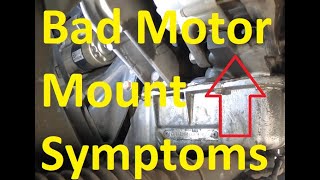
| Total (Professional) 🎬 See a breakdown of symptoms and typical replacement costs. | $125 - $277 |
Frequently Asked Questions (FAQ)
Is it difficult to replace the torque strut mount myself?
No, this is a very DIY-friendly job. The mount is located at the top of the engine and is easily accessible. The replacement typically involves removing just two main bolts. You will need basic hand tools like a ratchet, sockets (13mm and 18mm), and possibly a pry bar. Most DIYers can complete this job in under an hour.
🎬 Follow this step-by-step guide to replace the mount yourself.Should I replace other engine mounts at the same time?
It's good practice, but not always necessary. When one mount fails, it puts extra stress on the others, which can cause them to fail sooner. Since the torque strut is easy to replace on its own, you can choose to replace just the failed part. However, if your vehicle has high mileage, consider inspecting the other mounts for wear.
Are there any recalls for the Nissan Maxima engine mounts?
No, there are no specific recalls for the engine torque strut mount on 2009-2023 Nissan Maximas. Searches of the NHTSA database show recalls for other issues like ABS actuators and fuel tanks on certain model years, but not for engine mounts.
What happens if I don't replace a bad torque strut mount?
Ignoring a failed mount will lead to a progressively rougher and noisier ride. The constant, excessive engine movement can accelerate wear on the other engine and transmission mounts, and potentially damage exhaust components, hoses, and wiring.
Helpful Videos
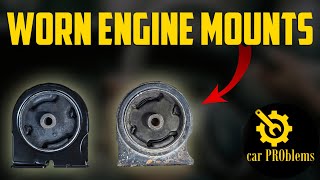
Technical Specifications
OEM Part Numbers: 11360-JA100 11350-9N00A
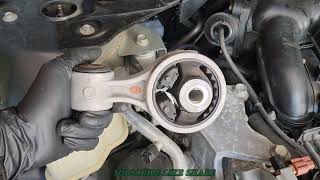
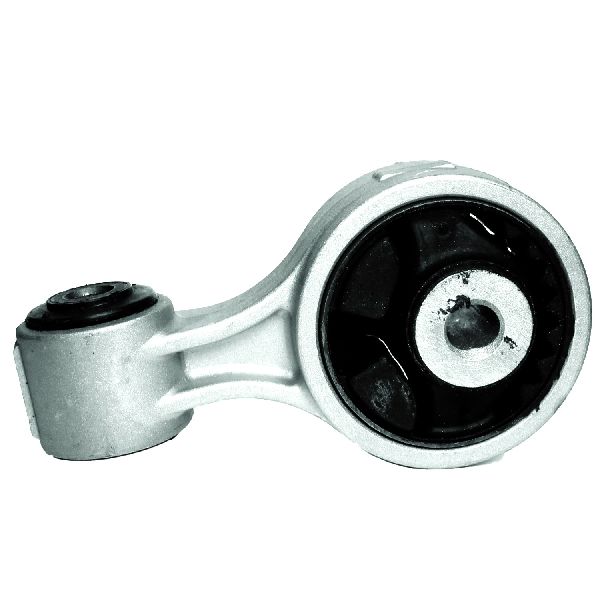
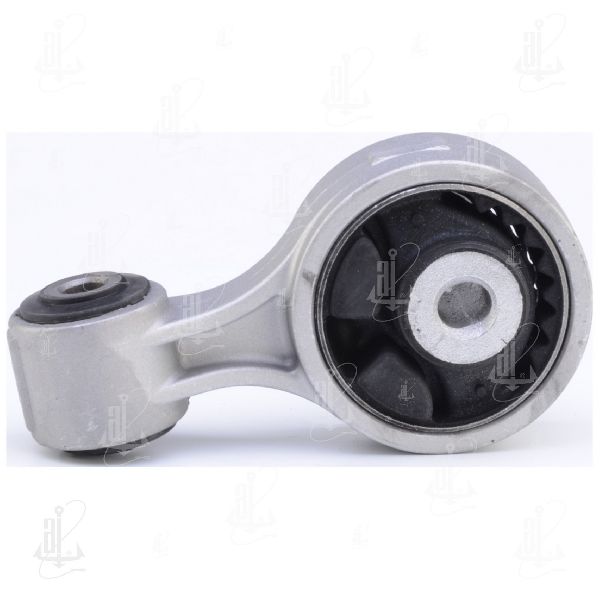
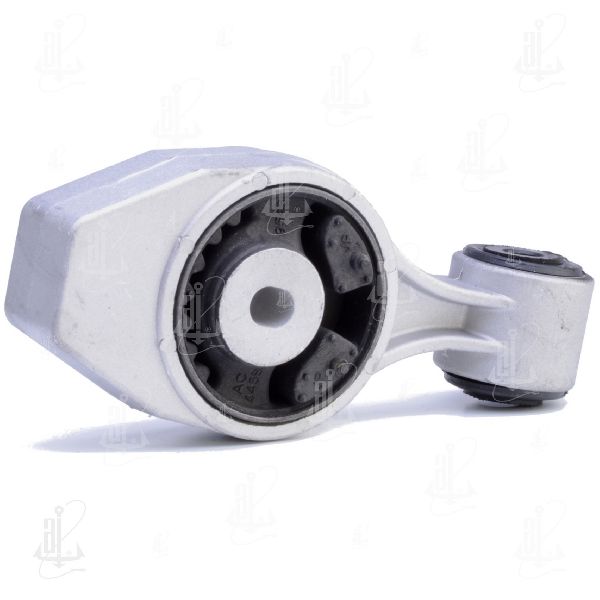
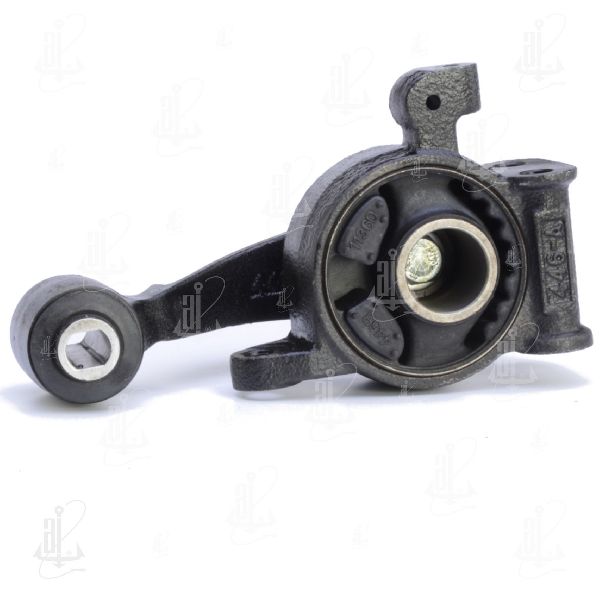
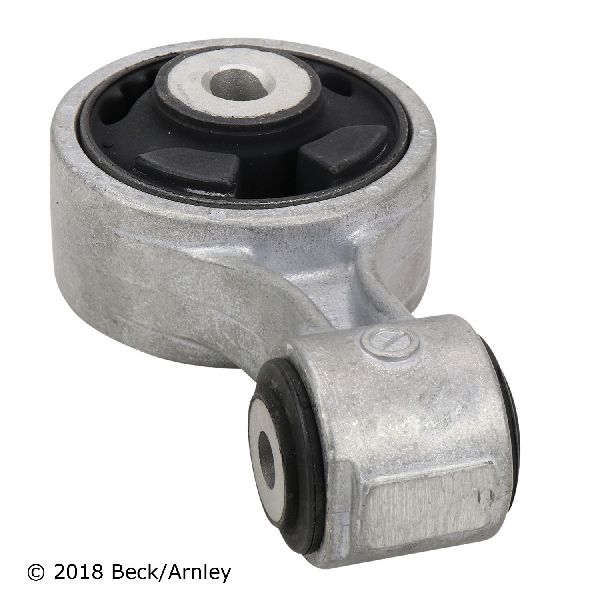
The torque strut mount, also known as an upper engine mount or 'dog bone' mount, is located on the top, passenger side of the engine bay. It consists of a metal or composite body with rubber or hydraulic bushings. Replacement requires 13mm and 18mm sockets.
We Have This Part in Stock


The information in this article is provided for general reference and educational purposes only. Vehicle specifications, procedures, and part compatibility can vary by production date, trim level, and region. Always consult your vehicle's factory service manual and verify part numbers before purchasing or performing repairs. Safety-critical components such as airbags, seat belts, and braking systems should be installed by a qualified professional.
- Nissan Maxima: