

Toyota Highlander Radiator: A Guide for 2009-2023 Models
Everything you need to know before replacing the radiator in your Highlander.
- Radiator failure is common around 100,000 miles, often from cracks in the plastic end tanks.
- You must buy a radiator specific to your Highlander's year, engine (V6, 4-cyl, Hybrid), and tow package option.
- Denso is the OEM supplier, but quality aftermarket brands like CSF, Koyorad, and Spectra are also excellent choices.
- Driving with an overheating engine or a major coolant leak can cause catastrophic engine damage. Do not drive if the temperature gauge is in the red.
Symptoms of a Failing Radiator
A bad radiator will give you clear warning signs. If you notice any of these, you should stop driving and check the cooling system immediately to avoid serious engine damage.
- Engine Overheating: The most obvious sign is your temperature gauge climbing into the red. This means the radiator is not cooling the engine properly.
- Visible Coolant Leaks: Finding puddles of bright pink or red fluid under the front of your Highlander is a sure sign of a leak. Toyota's specific coolant is pink, making it easy to spot. Leaks often come from cracks in the plastic tanks on the top and bottom of the radiator.
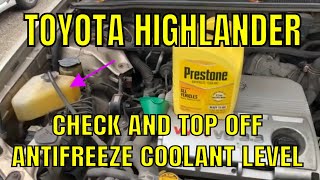
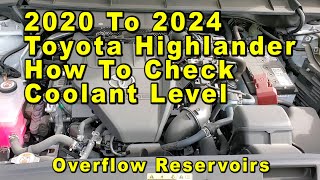
- Low Coolant Light: If you have to add coolant to the overflow tank often, 🎬 See how to check coolant levels on 2020-2023 Highlanders. you have a leak somewhere in the system.
- Sweet Smell: The smell of hot coolant is often described as sweet or like maple syrup. If you smell this inside or outside your Highlander, it's a sign of a leak.
Generation and Engine Differences
The 2009-2023 Highlander covers three different generations (2nd: 2009-2013, 3rd: 2014-2019, 4th: 2020-2023). Radiators are NOT interchangeable between them. They also differ based on your engine (4-cylinder, V6, or Hybrid) and if you have a factory tow package. Always confirm the exact part for your specific year, model, and engine before ordering.
Choosing the Right Aftermarket Radiator
When your original radiator fails, you have many aftermarket options. They generally fall into three quality tiers. Just because a brand like Denso makes the original part for Toyota doesn't always mean their aftermarket version is identical.
Tier 1: OEM-Equivalent & Premium Brands
- Denso: Denso is a well-known original equipment manufacturer (OEM) for Toyota, making their radiators a popular choice for a factory-like fit and performance. However, some users have reported occasional fitment or quality issues with their aftermarket lines compared to the true OEM part.
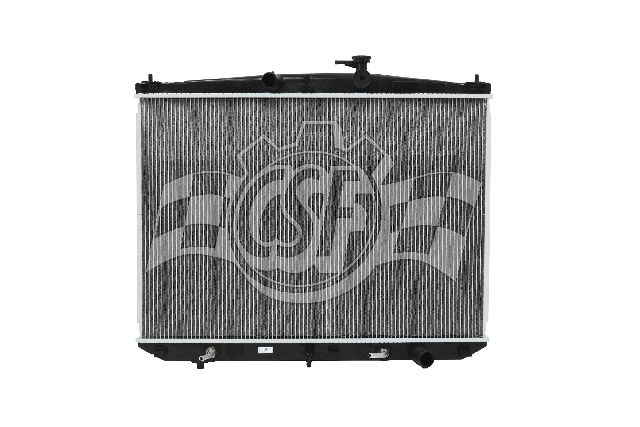
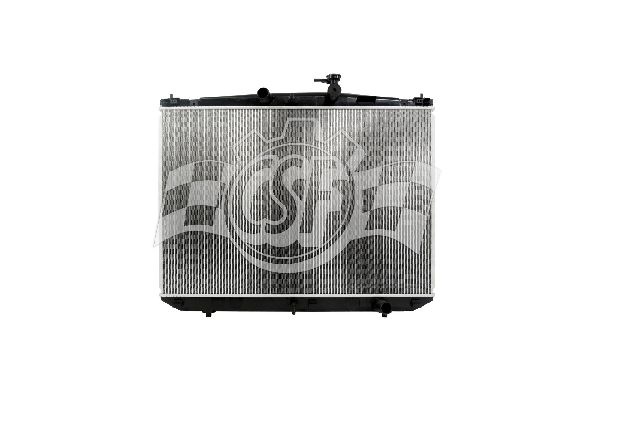
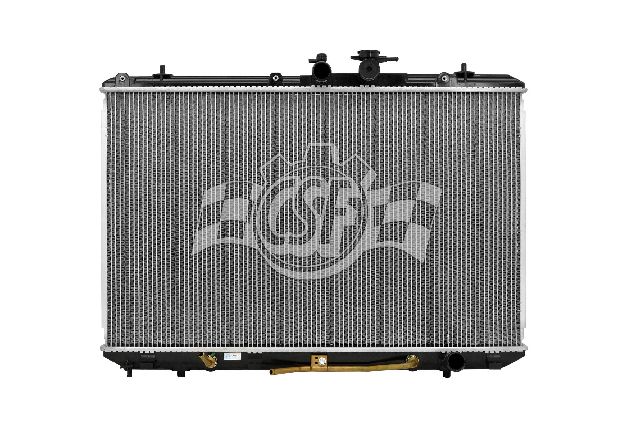
- Koyorad & CSF Radiator: These brands are known for high-quality construction, often with a focus on performance and durability. They are excellent choices for a long-lasting replacement.
- Nissens: A reputable European brand known for meeting or exceeding OEM specifications, offering reliable performance.
Tier 2: Quality Standard Brands
- Spectra: A very popular and reliable aftermarket brand. They offer a good balance of quality and price, with radiators designed to fit and function like the original.
- APDI & Reach Cooling: These are solid, dependable brands that provide a good value. They meet standard specifications and are a common choice for repair shops.
Tier 3: Economy Brands
- Global Parts, One Stop Solutions, Onix, Pro Parts: These brands offer the most affordable way to get your Highlander back on the road. While they meet basic requirements, their construction may not be as robust as higher-tier options.
What Else Should I Replace?
When you replace the radiator, it's a smart and cost-effective time to replace other related parts that are easily accessible.
- Radiator Hoses: The upper and lower hoses can get soft and brittle over time.
- Radiator Cap: A new cap ensures the system holds the correct pressure.
- Thermostat: If your Highlander has high mileage or has overheated, replacing the thermostat is a good idea.
- Coolant: Always use new, correct coolant. Toyota Highlanders require Toyota's Super Long Life Coolant (pink).
Known Issues, Recalls, and Service Bulletins
As of early 2026, there are no specific recalls from the National Highway Traffic Safety Administration (NHTSA) for radiator failure on the 2009-2023 Toyota Highlander. Most failures are due to age and wear. However, some related issues have been noted:
- 2nd Gen (2008-2013) V6 Oil Cooler Line: Some V6 models had a rubber oil cooler hose that could fail, causing a massive oil leak. Toyota issued a TSB and a warranty enhancement program to replace the rubber line with a metal one. While not a radiator issue, it is a critical cooling system-related problem to be aware of.
- Water Pump Leaks: Some Highlander models have been known to develop water pump leaks. A failing water pump can cause overheating and strain the entire cooling system.
Cost to Replace a Toyota Highlander Radiator
| Part/Service | Estimated Cost |
|---|---|
| New OEM Radiator | $290 - $710 |
| New Aftermarket Radiator | $128.90 - $355.25 |
| Shop Labor | $388 - $570 |
| Total Professional Replacement (Aftermarket Part) | $517 - $925 |
Frequently Asked Questions
Can I replace the radiator myself?
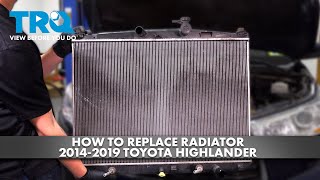
Yes, for someone with moderate mechanical skills, replacing the radiator is a manageable DIY job. It typically involves draining the coolant, removing hoses, unbolting the fan assembly, and swapping the radiator. 🎬 Watch this step-by-step radiator replacement walkthrough for 2014-2019 models. It can often be done without disconnecting the A/C condenser, which saves you a trip to the shop. You will need basic hand tools, a drain pan, and about 2-4 hours.
Is it okay to use a cheaper aftermarket radiator?
Cheaper radiators can work, but they might not last as long as premium brands or the original part. The plastic tanks or seams between the plastic and aluminum core are often the first points of failure on lower-quality units. For long-term reliability, investing in a mid-tier or premium brand is often worth the extra cost.
Do I need a special radiator for the Hybrid model?
Yes, Hybrid models have different cooling system requirements and sometimes have more than one radiator (a main radiator and an auxiliary cooler or inverter cooler). It is critical to order the specific part for the Hybrid model to ensure it functions correctly.
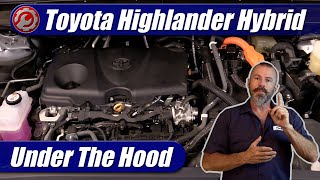
🎬 Watch this breakdown of the Hybrid engine and cooling system.What is the pink crusty stuff around the leak?
That is dried coolant residue. Toyota uses a pink-colored Super Long Life Coolant. When it leaks and the water evaporates, it leaves behind this pink, crusty deposit, which is a clear sign of where your leak is located.
Helpful Videos


Technical Specifications
OEM Part Numbers: 16041-31550 16041-0P251 16400-0P410 16400-F0190 16041-20410 G9010-48100
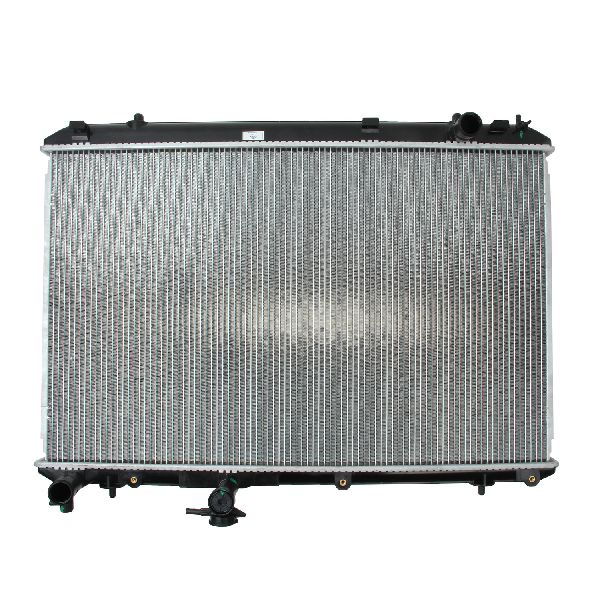
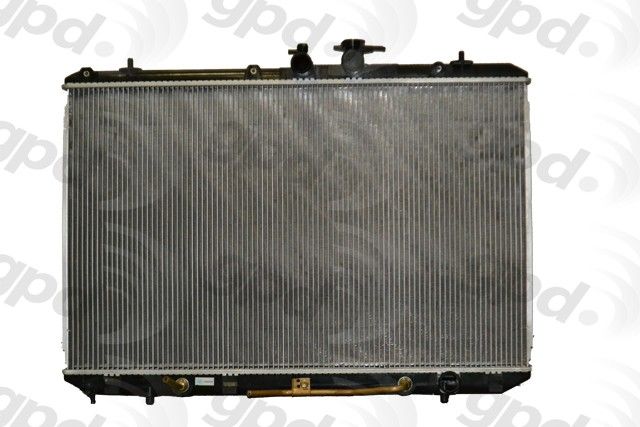
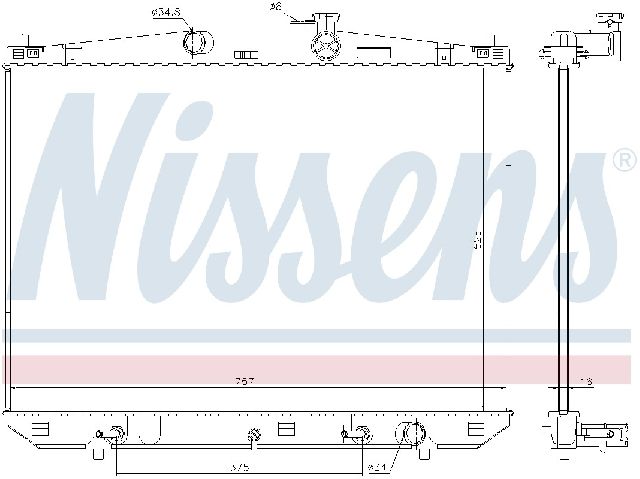
Construction is typically a plastic tank with an aluminum core. Core thickness varies for models with and without the tow package. Hybrid models have unique radiators and may include an additional inverter cooler.
We Have This Part in Stock

The information in this article is provided for general reference and educational purposes only. Vehicle specifications, procedures, and part compatibility can vary by production date, trim level, and region. Always consult your vehicle's factory service manual and verify part numbers before purchasing or performing repairs. Safety-critical components such as airbags, seat belts, and braking systems should be installed by a qualified professional.
- Toyota Highlander:
- 🎬 Helpful Videos
- 🛍️ Shop This Part
- Symptoms of a Failing Radiator
- Generation and Engine Differences
- Choosing the Right Aftermarket Radiator
- Tier 1: OEM-Equivalent & Premium Brands
- Tier 2: Quality Standard Brands
- Tier 3: Economy Brands
- What Else Should I Replace?
- Known Issues, Recalls, and Service Bulletins
- Cost to Replace a Toyota Highlander Radiator
- Frequently Asked Questions
- 🎟️ Get 5% Off