

Nissan GT-R (2009-2024) Oxygen Sensor: A Guide to Replacement
Understanding how to choose the right oxygen sensor to maintain your GT-R's performance and efficiency.
- Your GT-R has four O2 sensors; upstream sensors affect performance while downstream sensors monitor emissions.
- Stick to top-tier aftermarket brands like Denso, NGK/NTK, or Bosch for reliability on a GT-R.
- A check engine light, poor fuel economy, and rough idle are classic symptoms of a failing sensor.
- No specific O2 sensor recalls or TSBs exist for the GT-R; failures are typically from normal wear.
Understanding Oxygen Sensor Failure in Your GT-R
Oxygen sensors operate in a harsh environment and wear out over time, typically lasting between 60,000 and 100,000 miles. When they start to fail, they send slow or incorrect data to your GT-R's ECU. This can lead to a range of performance issues, from annoying to severe. Ignoring a failing sensor can not only reduce performance but also lead to expensive damage to your catalytic converters.
Symptoms of a Bad Oxygen Sensor
A failing oxygen sensor will usually make itself known through several distinct symptoms. The most obvious sign is a Check Engine Light on your dashboard. Other common indicators include:
- Reduced Fuel Economy: One of the first things you might notice is more frequent trips to the gas station.
- Rough Idle: Your engine may vibrate or sound uneven when the car is stopped.
- Engine Hesitation or Misfires: The car may stumble or lack power when you accelerate.
- Rotten Egg Smell: A strong smell of sulfur from the exhaust can indicate a rich fuel mixture, often caused by a bad O2 sensor.
- Failed Emissions Test: A bad downstream sensor is a common reason for failing an emissions inspection.
Upstream vs. Downstream Failure
Problems with an upstream (pre-cat) sensor typically cause noticeable driving issues like poor fuel economy and rough running. A failing downstream (post-cat) sensor primarily affects emissions readings and may not cause other obvious symptoms besides a check engine light.
Choosing the Right Aftermarket Oxygen Sensor
For a high-performance vehicle like the GT-R, the quality of electronic sensors is critical. While OEM sensors are a safe bet, high-quality aftermarket parts from reputable manufacturers can offer the same performance for less money. The key is to choose a trusted brand.
Brand Tiers for the Nissan GT-R
- Top Tier (OEM or Equivalent): Brands like Denso and NGK (NTK) are often the original equipment suppliers for Japanese vehicles. Choosing one of these is the closest you can get to buying an OEM part. They are engineered to meet the exact specifications of your GT-R.
- Quality Aftermarket: Bosch is a highly respected brand that invented the modern oxygen sensor and has a long history of quality. Walker Products is another established brand known for producing reliable aftermarket sensors.
- Budget Tier: For a sensitive component on a GT-R, it is strongly recommended to avoid generic or unbranded "economy" parts. While the initial cost is low, they can fail prematurely or provide inaccurate readings, leading to persistent performance problems and costing more in the long run.
Ordering the Correct Part
The GT-R has four sensors in specific locations: Bank 1 (passenger side) and Bank 2 (driver side), with an upstream and downstream sensor on each bank. Always verify the exact location of the failed sensor using the diagnostic trouble code before ordering a replacement. Upstream and downstream sensors are not interchangeable.
| Part Type | Estimated Cost |
|---|---|
| New OEM (Dealer) | $200 - $470 per sensor |
| New Aftermarket (Top Tier) | $53 - $325 per sensor |
| Shop Labor for Replacement | $100 - $250 per sensor |
Known Issues, Recalls, and Service Bulletins
As of early 2026, there are no specific recalls or widespread Technical Service Bulletins (TSBs) from Nissan or the NHTSA directly related to oxygen sensor failure on the 2009-2024 Nissan GT-R. While other Nissan models had a recall campaign for an ECM software update related to the rear O2 sensor, the GT-R was not included in that notice. Any issues are typically due to normal wear and tear.
Frequently Asked Questions (FAQ)
How many oxygen sensors does my GT-R have?
The Nissan GT-R has four oxygen sensors. Because it has a V6 engine with two exhaust banks, it has one upstream and one downstream sensor for each bank.
Should I replace all four sensors at once?
It is not necessary to replace all sensors if only one has failed. However, oxygen sensors have a similar lifespan. If one has failed due to high mileage, it's likely the others are nearing the end of their service life. If you are paying for labor, it can be cost-effective to replace them in pairs (both upstream or both downstream).
Can I install an oxygen sensor myself?
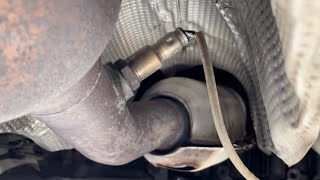
Yes, for someone with mechanical experience, this is a feasible DIY job. 🎬 See this walkthrough for replacing a Nissan heated oxygen sensor It requires a special oxygen sensor socket, a ratchet, and potentially some penetrating oil for stubborn sensors. However, access to the sensors on the GT-R's packed engine bay can be tight, particularly for the upstream sensors near the turbochargers, which may increase the difficulty.
What are common GT-R oxygen sensor error codes?
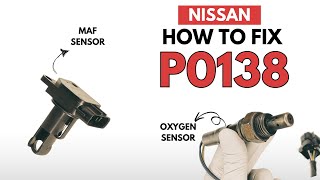
Common codes include P0031, P0037, P0051, P0057 (for heater circuit issues) and P0138, P0139, P0158, P0159 (for sensor circuit issues). These codes will specify the bank and sensor number (e.g., Bank 1 Sensor 2) to help you 🎬 Watch: Two ways to fix a P0138 sensor circuit code identify the faulty part.
Helpful Videos
Technical Specifications
OEM Part Numbers: 22693-JF00A 22693-JF00B 226A0-EN21A
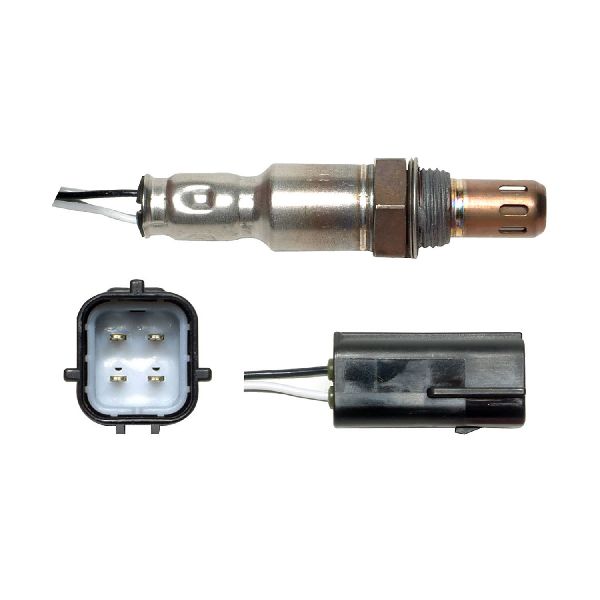
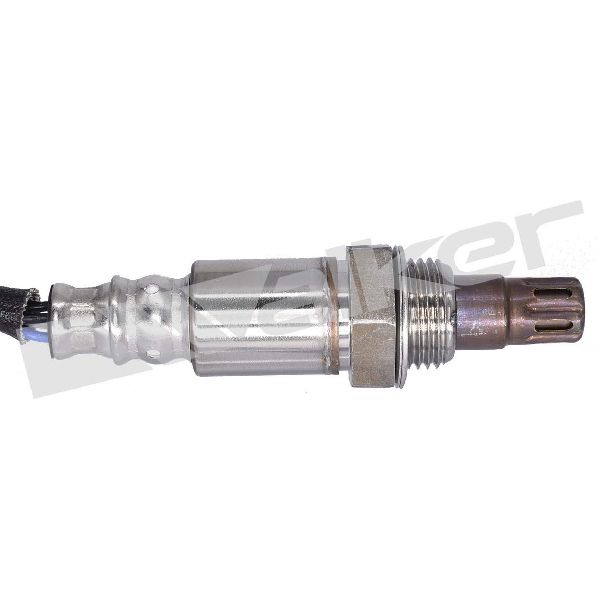
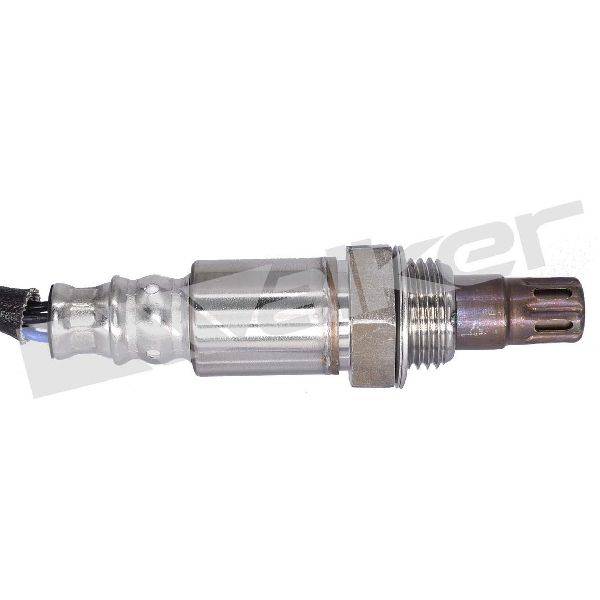
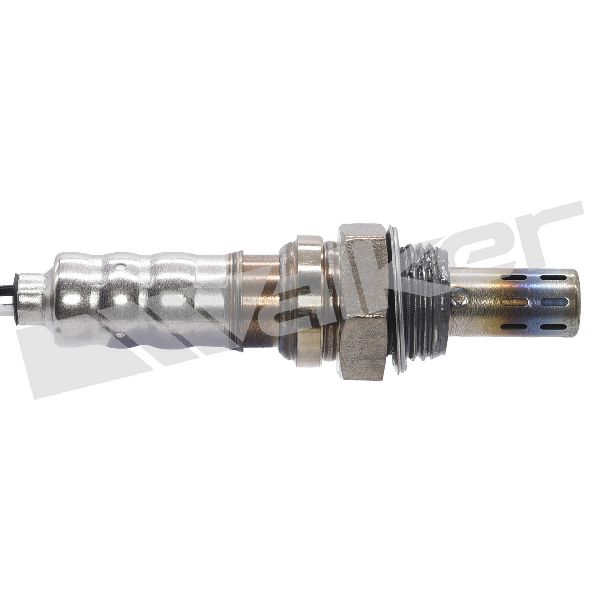
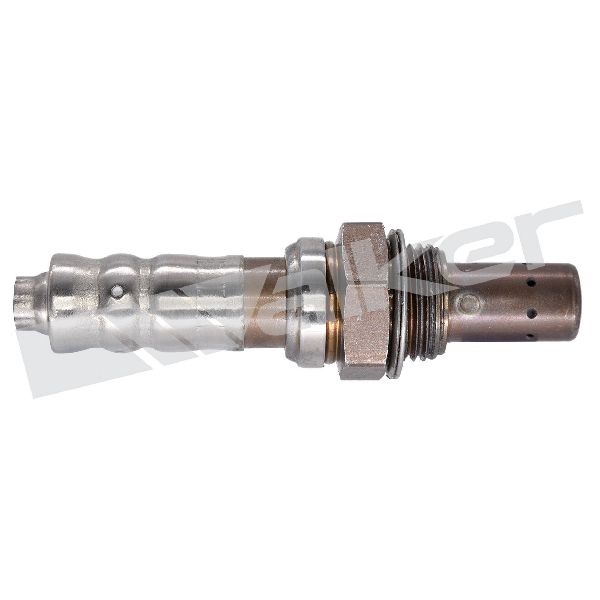
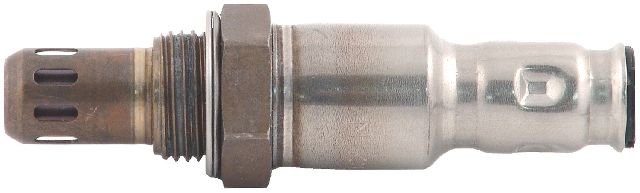
The GT-R uses four heated oxygen sensors: two upstream wideband Air/Fuel Ratio sensors and two downstream narrowband oxygen sensors.
We Have This Part in Stock

The information in this article is provided for general reference and educational purposes only. Vehicle specifications, procedures, and part compatibility can vary by production date, trim level, and region. Always consult your vehicle's factory service manual and verify part numbers before purchasing or performing repairs. Safety-critical components such as airbags, seat belts, and braking systems should be installed by a qualified professional.
- Nissan GT-R:
- 🎬 Helpful Videos
- 🛍️ Shop This Part
- Understanding Oxygen Sensor Failure in Your GT-R
- Symptoms of a Bad Oxygen Sensor
- Upstream vs. Downstream Failure
- Choosing the Right Aftermarket Oxygen Sensor
- Brand Tiers for the Nissan GT-R
- Ordering the Correct Part
- Known Issues, Recalls, and Service Bulletins
- Frequently Asked Questions (FAQ)
- 🎟️ Get 5% Off