

A Guide to the Engine Valve Stem Oil Seal Set for the 2010-2014 BMW X5
If your V8-powered X5 is smoking and consuming oil, the valve stem seals are the likely cause.
- This is a very common failure on 2010-2014 X5 models with the N63 V8 engine due to a design flaw that exposes the seals to extreme heat.
- The primary symptoms are blue smoke from the exhaust after idling and extremely high oil consumption.
- The repair is extremely labor-intensive and expensive, often costing thousands of dollars, so it is not a DIY job.
- While replacing the seals, it is highly recommended to also replace other nearby gaskets and hoses that have been degraded by heat.
Is Your 2010-2014 X5 Burning Oil? It's Probably the Valve Stem Seals
For owners of the 2010-2014 BMW X5, particularly the V8-powered xDrive50i model with the N63 engine, excessive oil consumption is a well-known problem. The primary cause is the failure of the engine valve stem seals. Due to the engine's "hot-vee" design where the turbochargers sit between the cylinder banks, these rubber seals are exposed to extreme heat, causing them to harden and crack prematurely. This allows oil to seep into the cylinders, leading to the classic symptoms of failure.
Symptoms of Failing Valve Stem Seals
The signs of bad valve stem seals are hard to miss. 🎬 Watch: How to perform a simple valve stem seal test. The most common symptom is a puff of blue-tinted smoke from the exhaust pipes when you start the engine, or after idling for a period, like at a stoplight. This happens because oil that has pooled on top of the valves gets sucked into the cylinders and burned off when you accelerate. Other key symptoms include:
- High Oil Consumption: You may find yourself needing to add a quart of oil every few hundred to a thousand miles.
- Burning Oil Smell: A distinct smell of burning oil may be noticeable from the exhaust.
- Fouled Spark Plugs: Over time, the burned oil can create carbon deposits on the spark plugs, potentially leading to misfires.
- Check Engine Light: In severe cases, the increased oil burning can damage oxygen sensors or catalytic converters, triggering a check engine light.
A Note on TSBs and Recalls
There have been no direct recalls for the valve stem seals themselves on the 2010-2014 X5. However, BMW has issued multiple Technical Service Bulletins (TSBs) related to the N63 engine's oil consumption. For example, SIB 11 03 13 notes that oil consumption up to 1 quart per 750 miles can be considered within factory parameters. Another bulletin, SIB 11 01 13, even recommended increasing the oil capacity during oil changes to extend the time between "add oil" warnings. These bulletins, along with a class-action lawsuit, highlight how widespread the issue is.
Choosing the Right Aftermarket Valve Stem Seals
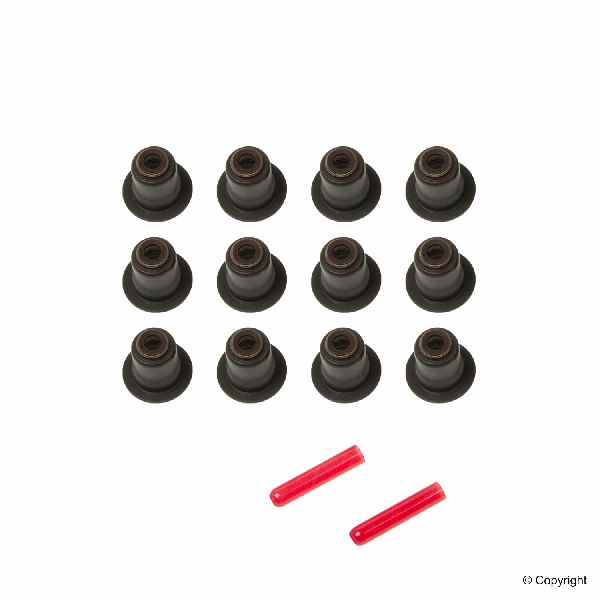
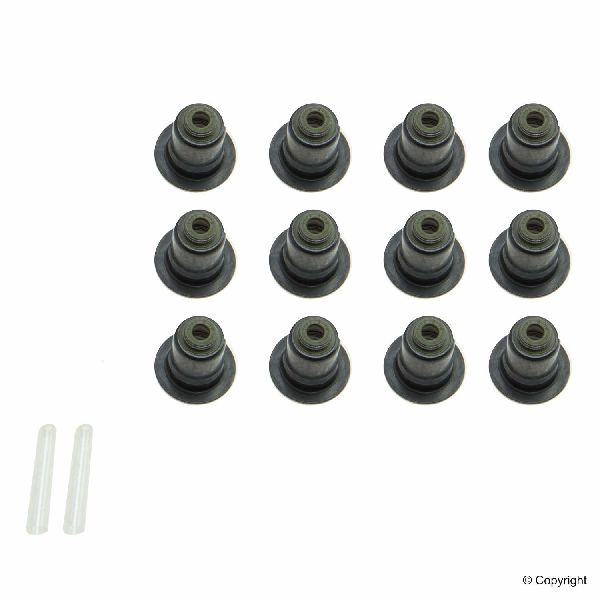
This is one repair where aftermarket parts can be a smart choice. The original OEM seals were prone to failure due to the engine's high heat. Many reputable aftermarket brands offer seals made from improved materials, like Viton, which are designed to better withstand high temperatures. Given that the original design was flawed, an aftermarket part from a quality manufacturer can be an upgrade.
Brand Quality: Corteco vs. Reinz vs. Victor Gaskets
When shopping for aftermarket valve stem seals, you will likely encounter these three brands. All are well-regarded German manufacturers, and often supply parts directly to automakers like BMW.
- Corteco: Often considered OEM quality, Corteco is a trusted brand in the European auto parts world. Their seals are known for good fitment and durability.
- Reinz (Victor Reinz): Another top-tier supplier, Victor Reinz provides a wide range of gaskets and seals. Their valve stem seals are a reliable choice and are used by many independent shops.
- Victor Gaskets: This is often the same company as Victor Reinz, a division of Dana Incorporated. Their products are generally held to the same high standards.
Pro Tip: Since all three brands are reputable, your choice can be based on price and availability. The key is to replace the old, hardened seals with new, pliable ones made from modern materials. Some forum users suggest that newer seal materials are an improvement over the originals.
| Category | Estimated Cost |
|---|---|
| New Aftermarket Parts (Seal Set) | $28 - $112 |
| Shop Labor | $4,000 - $8,000+ |
| Total Professional Replacement | $4,500 - $9,000+ |
Note: The cost of the seals is a tiny fraction of the total repair cost. The job is extremely labor-intensive. 🎬 See this video to understand the complex replacement process.
Frequently Asked Questions (FAQ)
Is replacing valve stem seals a DIY job?
For almost all home mechanics, this is not a feasible DIY project. The repair is incredibly complex and requires specialized tools that can cost over $1,800 to purchase. 🎬 Watch a pro use specialized tools to replace seals in-car. It is a very time-consuming job, often taking a professional mechanic 40-55 hours. Due to the complexity and risk of causing major engine damage, this repair is best left to experienced BMW specialists.
Will new valve stem seals completely fix my X5's oil consumption?
If the valve stem seals are the cause, then yes, replacing them will fix the primary source of oil consumption and stop the exhaust smoke. However, turbocharged engines like the N63 will always consume some amount of oil as part of their normal operation. But you should see a dramatic reduction in oil use, from adding quarts every few hundred miles to a more normal rate.
Do I need to replace anything else at the same time?
Yes. Since the job requires extensive engine disassembly, it is the perfect time to address other common N63 engine issues. This includes replacing valve cover gaskets, timing cover gaskets, turbo coolant lines, and CCV hoses, which also become brittle from heat. Addressing these items at the same time saves a massive amount of money on future labor costs.
Why is the repair so expensive if the parts are cheap?
The cost is almost entirely labor. To access the 32 valve stem seals, a mechanic must disassemble a significant portion of the top of the engine. Some procedures even require removing the engine from the vehicle. The job requires precision, specialized BMW tools, and many hours of work, which is why repair quotes can range from $5,000 to over $9,000.
Helpful Videos

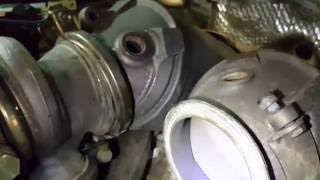
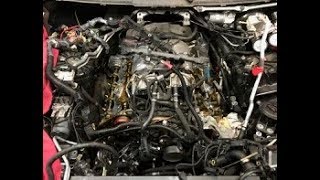
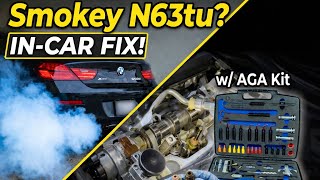
Technical Specifications
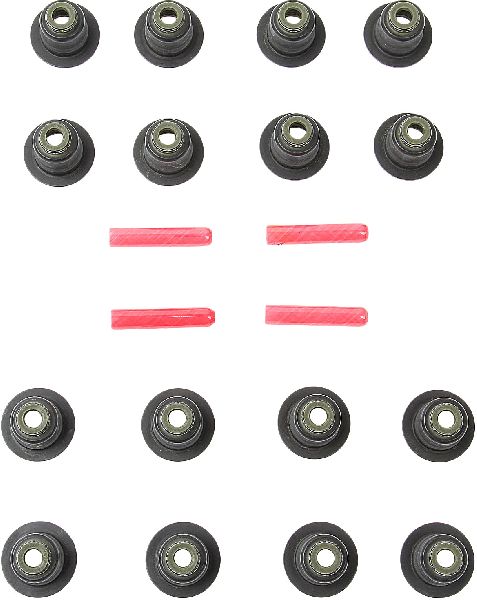
OEM Part Numbers: 11340039494
The engine requires a set of 32 valve stem seals (4 per cylinder).
We Have This Part in Stock


The information in this article is provided for general reference and educational purposes only. Vehicle specifications, procedures, and part compatibility can vary by production date, trim level, and region. Always consult your vehicle's factory service manual and verify part numbers before purchasing or performing repairs. Safety-critical components such as airbags, seat belts, and braking systems should be installed by a qualified professional.
- BMW X5: