

Ford Escape Starter Motor Guide: 2010-2014
Is your 2010-2014 Ford Escape clicking but not starting? Here’s what you need to know about its starter motor.
- A clicking sound when starting is the most common sign of a bad starter in the Escape.
- Always check the battery, terminals, and starter relay before replacing the starter motor.
- Replacement is a feasible DIY job for those with some experience, but access is tight on all engines.
- A quality new aftermarket starter is a reliable and cost-effective choice over more expensive OEM parts.
Is Your Ford Escape's Starter Failing?

When a 2010-2014 Ford Escape won't start, the battery is the most common reason, but the starter motor is another frequent culprit. These starters can fail from normal wear and tear over time. The internal components wear out, or electrical connections can become loose or corroded. Before you assume the starter is bad, always make sure your battery is fully charged and the terminals are clean. A weak battery can mimic the symptoms of a bad starter.
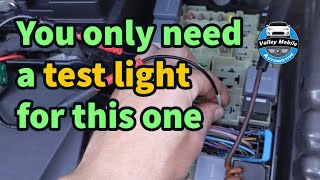
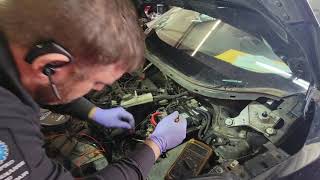
🎬 Watch: Professional diagnostic steps for a no-crank, no-start condition.Key Symptoms of a Bad Starter:
- Clicking Noise: A single, loud click or a series of rapid clicks when you turn the key is a classic sign. This usually means the starter's solenoid is trying to engage, but the motor itself isn't turning.
- Slow Engine Crank: The engine sounds sluggish and turns over much slower than usual.
- No Sound at All: You turn the key and get complete silence. This could be a dead battery, but it's also a sign of a failed starter.
- Grinding or Whirring Noise: A grinding sound during startup can mean the starter gear isn't meshing correctly with the engine's flywheel. Stop trying to start the engine if you hear this, as it can cause more expensive damage.
- Intermittent Starting: The Escape starts fine one day but refuses to start the next. This points to a component that is beginning to fail.
Check Fuses and Relays First
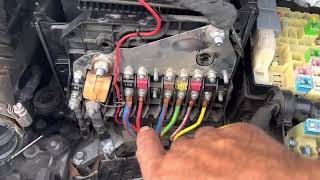
Before buying a new starter, check the starter fuse and relay. For the 2010-2012 Escape, the starter fuse (#11, 30A) and relay (30B) are in the under-hood fuse box. A faulty relay can cause a no-start condition and is a much cheaper and easier fix than replacing the entire starter motor.
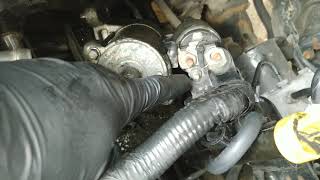
🎬 See this step-by-step tutorial for replacing the starter yourself.Choosing a New Aftermarket Starter

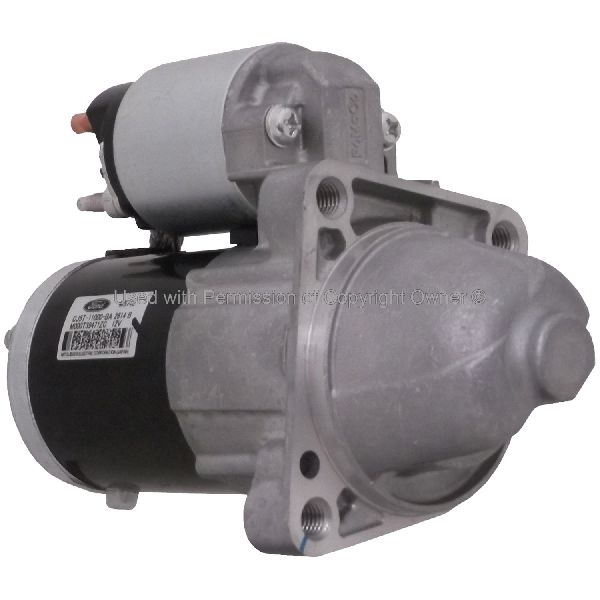
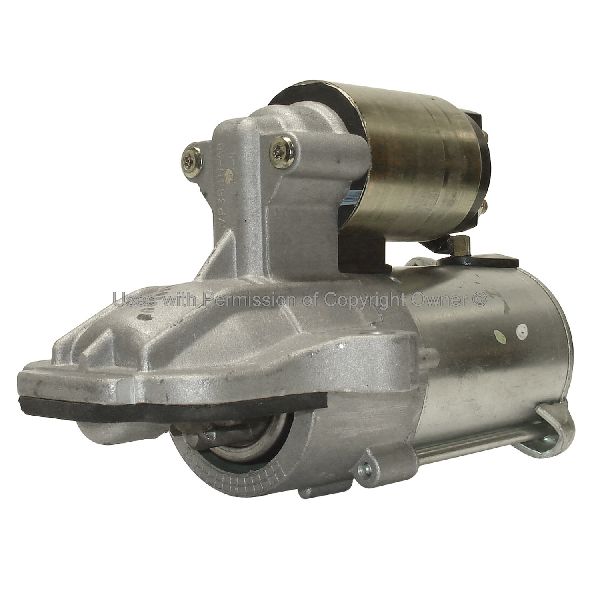
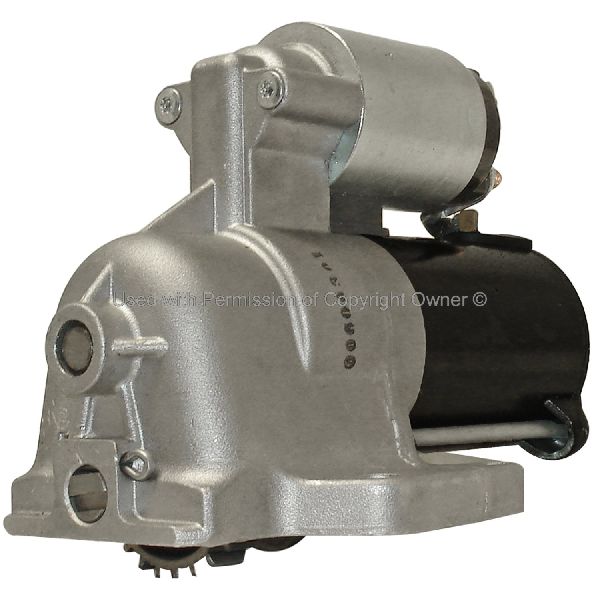
For the 2010-2014 Escape, you have several good options for a new starter. You don't always need to pay for a dealership part.
- Motorcraft: This is Ford's official parts brand. Choosing Motorcraft guarantees an exact fit and original equipment performance. For many critical electronic parts, sticking with Motorcraft is a wise choice.
- ACDelco: While traditionally a GM brand, ACDelco offers parts for many makes and models. They are a reputable aftermarket supplier, but their parts are sourced from various manufacturers, so quality can sometimes vary. However, they are generally considered a reliable alternative.
- MPA (Motor Parts of America): MPA is a large aftermarket supplier that provides a wide range of new and remanufactured parts to major auto parts stores. They are a common brand in the aftermarket and offer a balance of price and quality.
New vs. Remanufactured: This guide focuses on new aftermarket parts. New parts have all-new components and often come with a better warranty. Remanufactured starters are rebuilt OEM cores with new wear items. While often cheaper, their reliability depends heavily on the quality of the rebuilder.
Starter Replacement Cost for 2010-2014 Ford Escape
The cost to replace the starter depends on the part you choose and whether you do the work yourself. Labor costs at a repair shop are typically estimated between $165 and $242.
| Part Type | Estimated Part Cost | Estimated Total with Labor |
|---|---|---|
| New Aftermarket | $100 - $292 | $265 - $534 |
| New OEM (Motorcraft) | $250 - $454 | $415 - $696 |
Frequently Asked Questions

Where is the starter located on a 2010-2014 Ford Escape?
The location depends on your engine. For the 3.0L V6 (2010-2012), it is on the right (passenger) side at the bottom of the engine. For the 2.0L (2013-2014), it's on the front-right side, below the intake manifold. For the 1.6L (2013-2014), it is also in a tight spot near the front of the engine, and some disassembly of other parts is required for access.
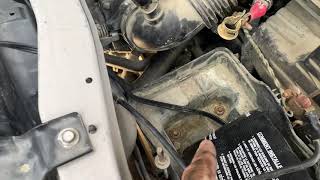
🎬 Watch: How to solve starting issues on 2013 and newer models.Can I replace the starter myself?
Yes, if you have moderate mechanical skills and the right tools. The job involves disconnecting the battery, raising the vehicle safely, and working in a tight space to unbolt the old starter and disconnect its wires. Access can be difficult, especially on the 1.6L engine. Always disconnect the negative battery terminal before beginning work.
Are there any recalls for the starter on the 2010-2014 Escape?
No, there are no specific recalls or Technical Service Bulletins (TSBs) from Ford or NHTSA for the starter motor on this generation of Escape. There are recalls for other issues like door latches or fuel system components.
What's the 'hammer trick' and does it work?
Tapping the starter motor case with a hammer is an old trick that can sometimes get a failing starter to work one more time. It can temporarily jar the worn internal electrical contacts or brushes into making a connection. This is not a fix, but it might get you to a safe location or a repair shop instead of needing a tow.
Helpful Videos

Technical Specifications
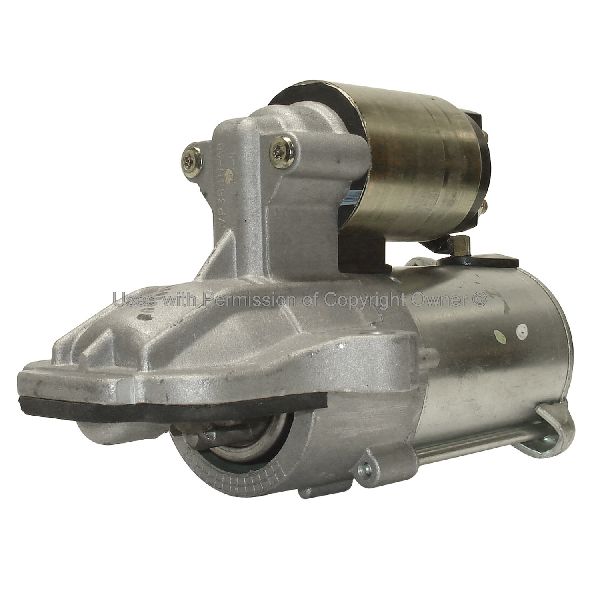
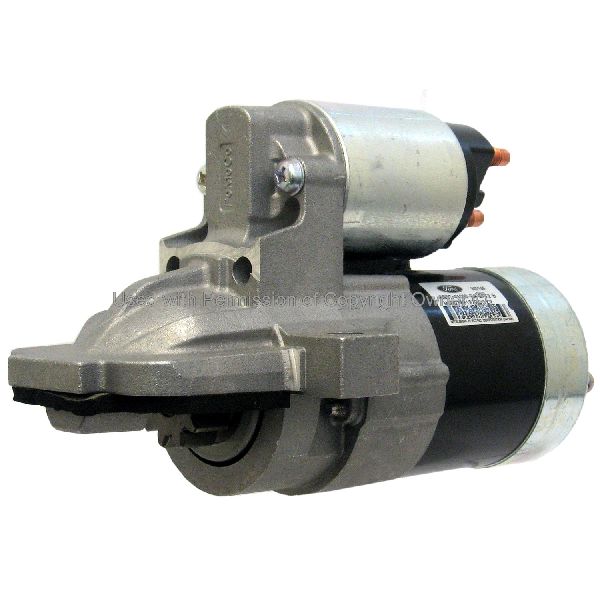
OEM Part Numbers: CJ5Z-11002-B SA1023
12 Volt, Clockwise Rotation. Power rating and number of teeth may vary slightly by engine (2.5L, 3.0L, 1.6L, 2.0L).
We Have This Part in Stock

The information in this article is provided for general reference and educational purposes only. Vehicle specifications, procedures, and part compatibility can vary by production date, trim level, and region. Always consult your vehicle's factory service manual and verify part numbers before purchasing or performing repairs. Safety-critical components such as airbags, seat belts, and braking systems should be installed by a qualified professional.
- Ford Escape: