

A Guide to Replacing Disc Brake Pads on Your 2010-2014 Kia Soul
Keep your unique Kia Soul stopping safely and quietly by choosing the right brake pads.
- For most 2010-2014 Soul owners, quality aftermarket ceramic pads from brands like Akebono, Bosch, or Powerstop offer the best mix of quiet operation, low dust, and value.
- It is strongly recommended to replace or resurface your brake rotors at the same time as your pads for optimal performance and safety.
- Brake pad replacement is a feasible DIY project for those with basic mechanical skills and tools, potentially saving significant labor costs.
- Be aware of a major NHTSA recall for the ABS module on 2011-2013 models and a service campaign for brake line corrosion on 2014 models in certain states.
Is It Time for New Brake Pads?
Your Kia Soul will give you clear signs when its brake pads are getting low. Ignoring these signs can lead to more expensive repairs, like needing to replace the brake rotors, too. Listen and feel for these common symptoms.
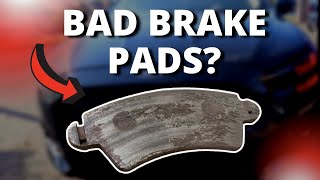
🎬 Watch: See and hear what worn-out brakes sound like.Key Failure Symptoms
- Squealing or Screeching: Most brake pads have a small metal tab called a wear indicator. When the pad wears down, this tab scrapes against the rotor and makes a high-pitched noise, telling you it's time for a replacement.
- Grinding Noises: If you hear a harsh grinding sound, it means the brake pads are completely worn away. This is a serious issue where metal is grinding against metal, which can quickly damage your rotors and reduce your stopping power.
- Vibration or Pulsing: A vibrating or pulsing feeling in the brake pedal or steering wheel when you brake can mean your brake rotors are warped, often from the heat of worn-out pads.
- Longer Stopping Distances: If you notice your Soul is taking longer to stop than it used to, your brake pads may be too worn to provide effective friction.
OEM vs. Aftermarket Pads
When it's time to replace your brake pads, you have two main choices: Original Equipment Manufacturer (OEM) pads from a Kia dealer or aftermarket pads from various brands. While dealerships may suggest that only their parts are suitable, good quality aftermarket pads are often just as good, if not better, and usually cost less. For a daily driver like the Kia Soul, a quality aftermarket ceramic or semi-metallic pad will provide excellent performance and safety.
Choosing the Right Aftermarket Brake Pads
With so many brands available, it can be tough to choose. Most pads for the Soul are ceramic, which are known for being quiet and producing less dust, keeping your wheels cleaner. Here’s a breakdown to help you decide:
- Economy Brands (Pronto, Dynamic Friction, Total Stopping Solutions): These are your most budget-friendly options. They will stop your car safely but may wear out faster or create more noise and dust than higher-quality options.
- OEM-Quality Brands (Bosch, Wagner, Raybestos, Centric, Beck Arnley): These brands are well-regarded and offer a great balance of performance, longevity, and price. Brands like Bosch QuietCast and Wagner OEX are popular choices that meet or exceed the original factory specifications, often providing quiet operation and reliable stopping power.
- Premium & Performance Brands (Akebono, Powerstop, EBC Brakes, Brembo): If you're looking for an upgrade in performance, these are the brands to consider. Akebono is a well-respected OEM manufacturer known for ultra-premium, quiet, and low-dust ceramic pads. Powerstop offers popular kits like the Z16 and Z17 Evolution, which are ceramic pads designed for low dust and quiet stopping, making them a great stock replacement upgrade.
Pro Tip: For the average 2010-2014 Kia Soul owner, a quality ceramic pad from brands like Bosch, Akebono, or Powerstop offers the best combination of quiet performance, low dust, and good value.
| Item | Estimated Cost |
|---|---|
| New Aftermarket Pads (DIY) | 🎬 Follow this step-by-step guide to replace your front pads and rotors.$27 - $184 |
| New OEM Pads (Parts Only) | $78 - $140 |
| Shop Labor | $80 - $143 |
| Total Professional Replacement (Aftermarket Parts) | $150 - $300 |
Known Issues, Recalls, and Service Bulletins
While there are no specific recalls for the brake pads on the 2010-2014 Kia Soul, there is a significant recall and a service campaign to be aware of for the overall braking system.
- NHTSA Recall 23V-652000: This recall affects 2011-2013 Kia Soul models. The anti-lock brake system (ABS) module could leak brake fluid internally, leading to an electrical short and increasing the risk of an engine compartment fire. Owners should contact a Kia dealer for the remedy.
- Voluntary Service Campaign: For 2014 models registered in states with heavy road salt use, Kia initiated a service campaign to inspect for brake line corrosion, which could lead to a fluid leak and a soft brake pedal. Dealers will inspect and, if needed, replace the lines and apply an anti-corrosion treatment.
Frequently Asked Questions
Should I replace my rotors at the same time as my pads?
It is highly recommended. While you can sometimes install new pads on old rotors, it's often best to replace them together. New pads on a worn or warped rotor can lead to uneven wear, noise, and reduced performance. Many mechanics will recommend resurfacing or replacing rotors with every pad change.
What is the difference between front and rear brake pads?
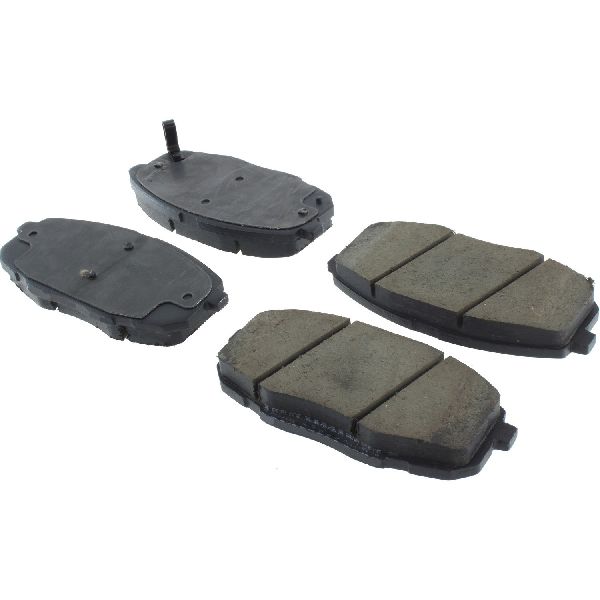
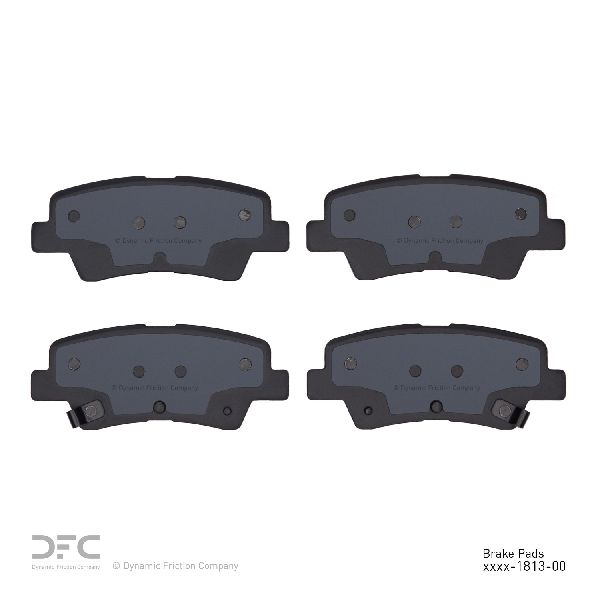
Front and rear brake pads are not interchangeable. The front brakes on your Soul do most of the work, so the pads are typically larger and wear out faster than the rear pads. When ordering, make sure you specify whether you need a front set, a rear set, or both.
What is "bedding in" new brake pads?
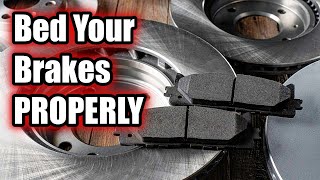
"Bedding in" is a process of a few controlled stops after installation to help transfer a thin, even layer of friction material from the new pads to the rotors. This ensures smooth, quiet, and powerful braking. Most manufacturers provide specific instructions for this simple but important procedure. 🎬 Learn how to bed in your new brakes for better performance. Many modern pads are also "scorched" at the factory to make this process faster.
Why are my new brakes making noise?
If your new brakes are squeaking, it could be due to a few reasons. The pads may still be in the break-in period. It could also be from brake dust buildup or a lack of proper lubrication on the caliper pins and hardware during installation. If the noise persists, it's best to have them inspected.
Helpful Videos
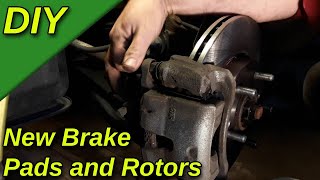
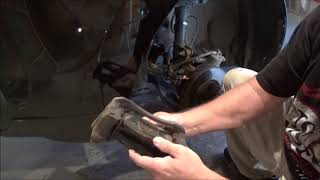
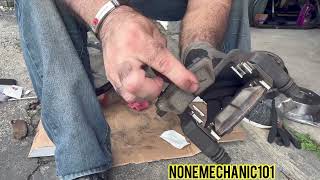
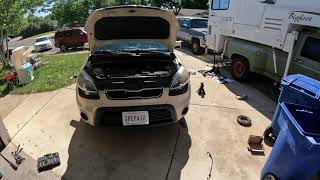
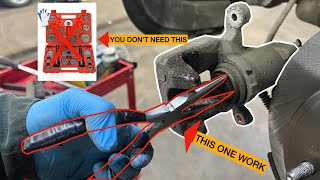
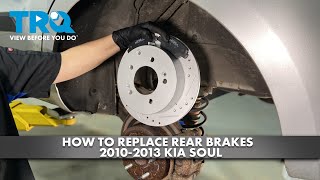
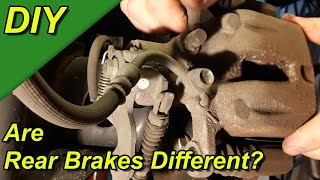
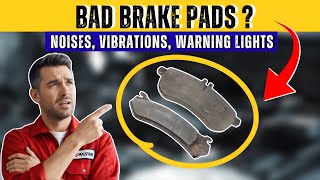



Technical Specifications
OEM Part Numbers: 58101B2A00 58101B2A20 58302B2A00
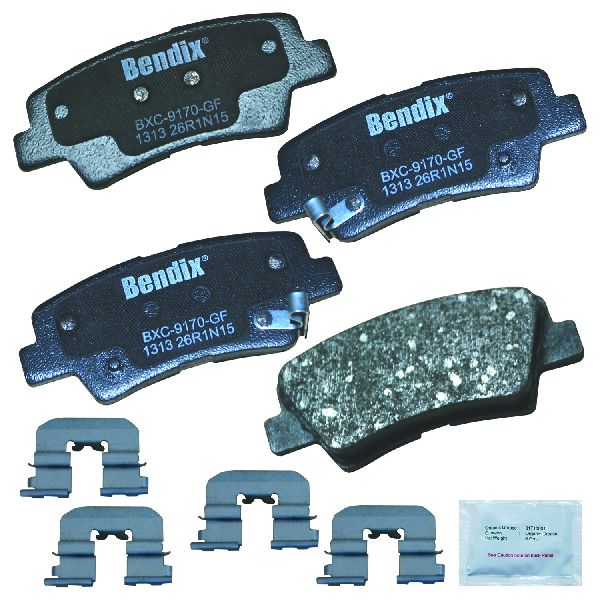
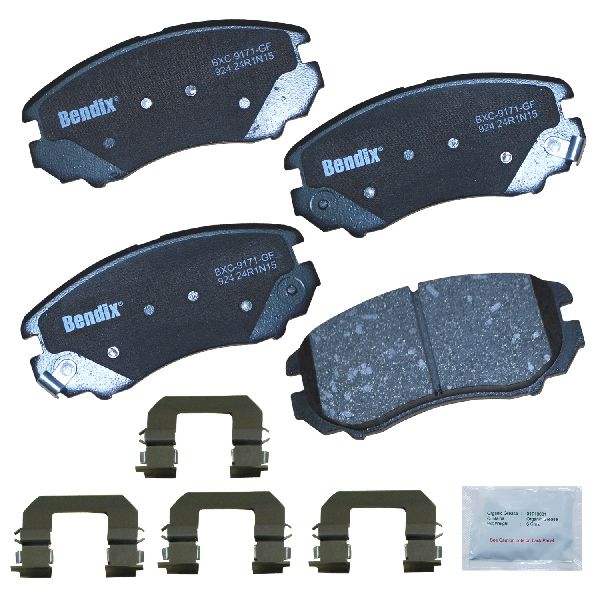
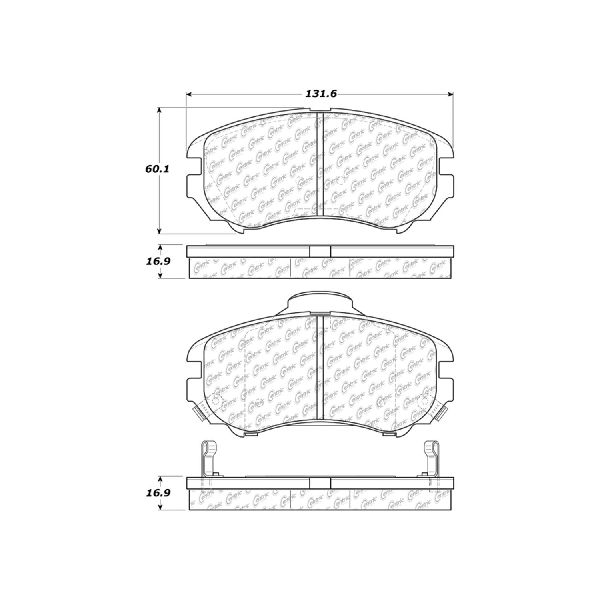
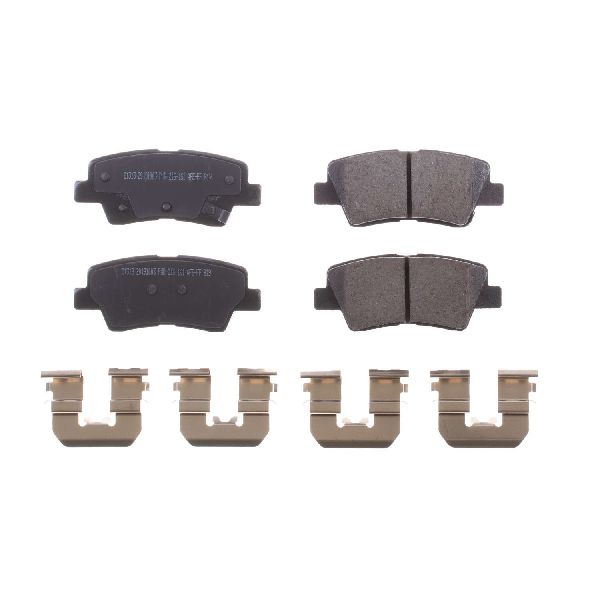
The 2010-2014 Kia Soul uses disc brakes on both the front and rear axles. Most aftermarket replacement pads are of a ceramic formulation, though semi-metallic options are also available. Ensure you purchase the correct pads for the front or rear, as they are not interchangeable.
We Have This Part in Stock

The information in this article is provided for general reference and educational purposes only. Vehicle specifications, procedures, and part compatibility can vary by production date, trim level, and region. Always consult your vehicle's factory service manual and verify part numbers before purchasing or performing repairs. Safety-critical components such as airbags, seat belts, and braking systems should be installed by a qualified professional.
- Kia Soul: