

A Guide to Replacing Suspension Shock Absorbers on a 2010-2014 Mazda 3
Restore your Mazda 3's sharp handling and ride comfort by choosing the right replacement shocks.
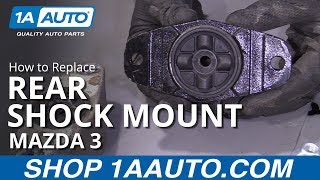
- A very common failure on 2010-2014 Mazda 3s is the rear upper shock mount breaking from corrosion; always replace these with the rear shocks.
- For a factory-like ride, KYB and Sachs are highly recommended OEM-quality brands.
- For a sportier feel, consider performance upgrades from Bilstein (B6) or Koni (Special Active or Sport).
- Avoid budget brands like FCS if you want to maintain the car's responsive handling, as many owners report poor performance.
Signs of Failing Shock Absorbers

When the shocks on your Mazda 3 start to wear out, you'll likely notice a change in how it drives. These cars are known for feeling connected to the road, so symptoms are often easy to spot.
- Bouncy Ride: The most common sign is a floaty or bouncy ride, especially after hitting bumps or dips in the road.
- Nose-Diving and Squatting: When you brake, the front end may dip down excessively. When you accelerate, the rear may squat.
- Body Roll: You might feel the car sway or lean more than usual during turns.
- Unusual Noises: Clunking or knocking sounds from the suspension area can indicate worn or broken shock components. On this generation of Mazda 3, a broken rear upper shock mount is a very common failure point that causes a loud banging sound from the rear of the car. 🎬 Watch this video to identify and fix common suspension clunks.
- Fluid Leaks: If you see oily fluid on the body of the shock absorber, it means the internal seal has failed and the shock needs to be replaced. However, a light film of oil can be normal.
- Uneven Tire Wear: Bouncing tires can wear unevenly, a condition called "cupping."
Known Issues, TSBs, and Recalls

While there have been no major recalls specifically for shock absorbers on the 2010-2014 Mazda 3 in the US market, there are some known issues and technical service bulletins (TSBs) to be aware of:
- Broken Rear Upper Shock Mounts: This is a widely reported problem for the second-generation Mazda 3. The original aluminum mounts can corrode and break, causing the top of the shock to detach from the car's body. This will create a loud clunking or banging noise from the rear. It's highly recommended to replace these mounts when you replace the rear shocks, even if they haven't failed yet.
- Front Suspension Noises: Mazda issued TSB 02-005/17 for 2014-2016 models (and some 2017s) regarding popping or squeaking noises from the front suspension when turning the wheel or going over bumps. This was related to the strut bearing, bump stop, or lower arm bushings. While this TSB applies to the next generation, similar noises on a 2010-2014 model could point to worn strut mounts or bearings.
- Leaking Shocks: Some owners have reported premature shock failure, specifically fluid leaks. Mazda also released a TSB (02-006-18-3449) to help technicians distinguish between normal oil seepage and a failed shock that requires replacement.
Choosing the Right Aftermarket Shocks for Your Mazda 3

For a car that's over a decade old, the original shocks are well past their prime. Aftermarket parts offer a great combination of value and performance, with many options meeting or exceeding the original factory quality. Here’s a breakdown of the brands available:
Brand Tiers
OEM-Equivalent & Daily Driver:
These brands aim to restore the original ride and handling characteristics of your Mazda 3. They are the most popular choice for daily driving.
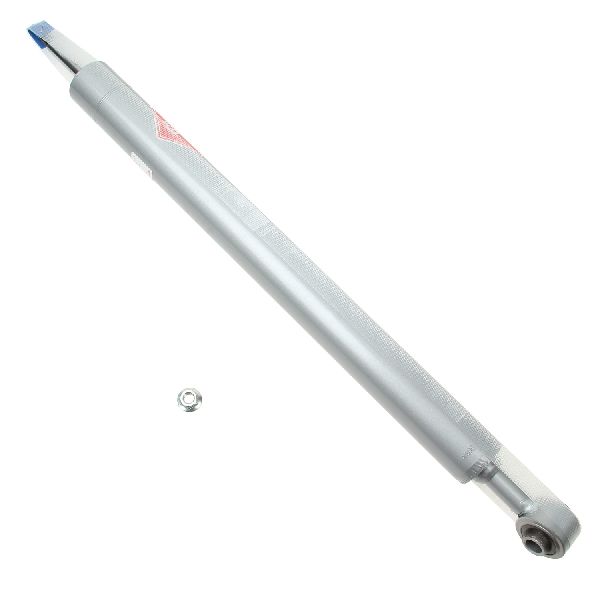
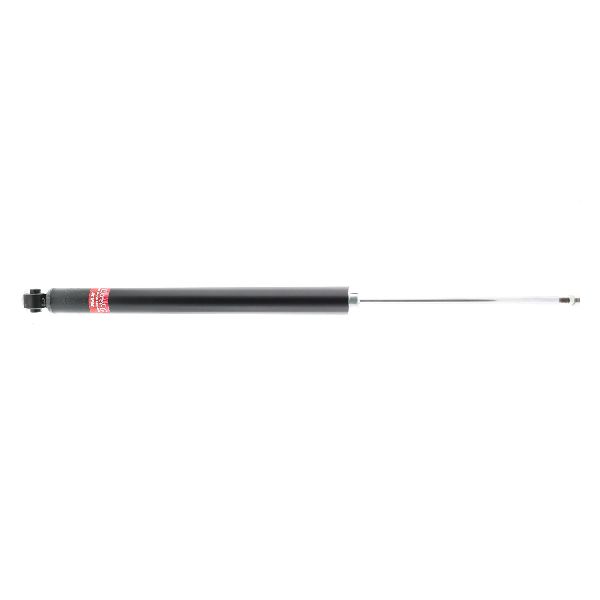
- KYB: Widely considered an OEM-quality supplier for many Japanese vehicles. The Excel-G series is a direct replacement that will restore the factory ride feel. Many owners and mechanics recommend KYB as a reliable, go-to choice.
- Sachs: A German brand known for being an OEM supplier to European manufacturers. They provide high-quality, durable shocks that offer precise handling, often seen as a solid alternative to KYB.
- Monroe: The OESpectrum line is designed to be an OEM-equivalent replacement focusing on a comfortable ride. They are a well-known brand, though some enthusiasts prefer the handling characteristics of KYB or Sachs.
Performance Upgrade:
If you want to enhance your Mazda 3's "Zoom-Zoom" feel with a sportier, more controlled ride, these brands are for you. They are firmer than stock.
- Bilstein: The B4 series is an OEM-style replacement, but Bilstein is better known for its B6 (HD) series, which provides a significant performance upgrade in handling and control without lowering the vehicle. They are known for exceptional durability.
- Koni: Koni offers several options. The Special Active (formerly FSD) shocks automatically adjust to road conditions for a blend of comfort and performance. The Sport ("Yellows") are firmer and often adjustable, intended for spirited driving.
Economy:
These are budget-focused options. While they are the most affordable, they may not offer the same ride quality or longevity as higher-tier brands.
- FCS Struts: Often found as a low-cost option, including complete "quick strut" assemblies. However, many Mazda 3 owners report that FCS struts provide a poor ride quality, with excessive nosedive and a lack of control compared to OEM or brands like KYB. They are generally not recommended if you want to maintain your car's original handling.
| Tier | Brand Examples | Estimated Price Range |
|---|---|---|
| Economy | FCS | $36 - $70 |
| OEM-Equivalent | KYB, Monroe, Sachs | $50 - $120 |
| Performance Upgrade | Bilstein, Koni | $100 - $261 |
Pro Tip: Always replace shocks in pairs (both front or both rear) to ensure even handling and stability. It's also best practice to use the same brand and model for all four corners.
Frequently Asked Questions (FAQ)
Do I need to replace the springs with the shocks?
Usually, no. Coil springs are made of durable steel and typically last the life of the vehicle unless they are broken or severely corroded. For a standard shock replacement, you can reuse your original springs. You will need a spring compressor tool if you are replacing the front struts and not using a pre-assembled "quick strut" unit.
Should I buy a complete "quick strut" assembly?
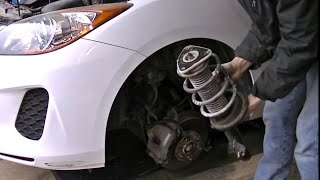
For the front suspension, a quick strut is a pre-assembled unit that includes the strut, spring, and mount. This makes installation much faster and safer because you don't need to use a spring compressor. 🎬 See this step-by-step walkthrough for replacing your front struts. However, your brand choices may be more limited; for example, FCS offers them but KYB may not for all models. If you choose a quality brand, it's a great way to refresh all the key components at once.
What other parts should I replace with my shocks?
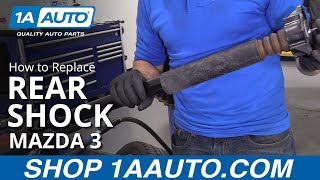
When replacing shocks, it's a good idea to inspect and replace related wear items. For the rear, you should absolutely replace the upper shock mounts due to the common failure issue on these cars. 🎬 Watch: How to replace the rear shocks on your Mazda. For the front struts, you should replace the strut mounts, bearings, and the boot/bellows kit. These parts are inexpensive and are critical for smooth steering and protecting the new strut.
Is OEM better than aftermarket for my Mazda 3?
Not necessarily. While OEM parts guarantee a factory ride, high-quality aftermarket brands like KYB, Sachs, Bilstein, and Koni often provide equal or superior performance and durability, sometimes for a lower price. Given the age of the vehicle, a new set of quality aftermarket shocks will be a significant improvement over worn-out original parts.
Helpful Videos
Technical Specifications
OEM Part Numbers: BGV4-28-910 bbm228910f
The 2010-2014 Mazda 3 uses a front MacPherson strut suspension and a rear multi-link suspension with separate shock absorbers and coil springs.
We Have This Part in Stock


The information in this article is provided for general reference and educational purposes only. Vehicle specifications, procedures, and part compatibility can vary by production date, trim level, and region. Always consult your vehicle's factory service manual and verify part numbers before purchasing or performing repairs. Safety-critical components such as airbags, seat belts, and braking systems should be installed by a qualified professional.
- Mazda 3: