

Guide to the 2010-2014 Mazda 6 Serpentine Belt Drive Component Kit
Understand the critical role of your serpentine belt kit and how to choose the right replacement for your Mazda 6.
- Always replace the belt, tensioner, and idler pulleys as a complete kit to ensure reliability and save on future labor costs.
- A high-quality aftermarket kit from a brand like Gates is a reliable and cost-effective alternative to expensive OEM parts for this vehicle.
- Symptoms like squealing noises or a battery light should be addressed immediately to avoid a breakdown and potential engine damage from overheating.
- The replacement is a moderately difficult DIY job due to tight access; it requires removing the passenger-side wheel and splash shields.
Signs of a Failing Serpentine Belt Kit
A worn serpentine belt or failing component will give you clear warning signs. Ignoring them can lead to a sudden breakdown. Be aware of these symptoms in your Mazda 6:
- Squealing or Chirping Noises: This is the most common symptom. A high-pitched squeal or persistent chirp from the engine bay, especially on startup or when the A/C is on, points to a worn or loose belt.
- Visible Wear and Tear: A visual inspection can reveal a lot. Look for cracks, fraying, missing ribs, or a shiny, glazed appearance on the belt. These are signs the rubber is old and brittle.
- Rattling or Grinding Noises: A rattling or buzzing noise at idle can indicate a failing tensioner or idler pulley bearing. The tensioner is designed to keep the belt tight, and if its internal spring or pulley bearing wears out, it can't do its job.
- Accessory Failure: If your power steering feels heavy, the A/C isn't cold, or the battery warning light comes on, the belt may be slipping or has already broken. Since the belt powers these systems, its failure directly impacts their function.
- Engine Overheating: The serpentine belt drives the water pump. A broken belt means the water pump stops circulating coolant, which will cause the engine to overheat very quickly. This is a critical failure that can lead to severe engine damage.
Recall Information for 2014 Mazda 6
Mazda issued a recall (No. 7314D) for some 2014-2015 Mazda 6 vehicles with the 2.5L engine. The issue involved the alternator belt slipping in heavy rain or when driving through deep puddles, which could cause the vehicle to stall. The fix was a software reprogram for the Power Control Module (PCM). While this wasn't a recall on the belt itself, it highlights the importance of proper belt function. No other recalls related to the belt or its components were found for the 2010-2014 model years.
Choosing the Right Aftermarket Kit: OEM vs. Aftermarket
When it's time for a replacement, you have the choice between an original equipment manufacturer (OEM) part from Mazda or an aftermarket kit. For the 2010-2014 Mazda 6, a high-quality aftermarket kit is a smart, cost-effective choice.
- OEM: OEM parts are what the car was built with. They guarantee a perfect fit but come at a premium price. An OEM tensioner alone can cost over $200, with the belt adding another $50 or more.
- Aftermarket (Gates): Brands like Gates are well-regarded in the industry and are often OEM suppliers for many car manufacturers. Owners report positive experiences with Gates kits, noting they work perfectly with no issues. A complete Gates kit, which includes the belt, tensioner, and idler pulleys, offers excellent value and meets or exceeds OEM specifications.
Pro Tip: Always replace the belt, tensioner, and idler pulleys together as a kit. The components are designed to wear at a similar rate. Installing a new belt with a worn tensioner can cause the new belt to wear out prematurely or fail. It also saves you money on labor in the long run.
Estimated Replacement Costs
The cost can vary based on your location and whether you do the work yourself or use a repair shop. The provided aftermarket price range for a complete kit is between $154.17 and $204.84.
| Part/Service | Estimated Cost |
|---|---|
| New Aftermarket Kit (e.g., Gates) | $154 - $205 |
| New OEM Parts (Purchased Separately) | $300 - $350+ |
| Shop Labor | $80 - $115 |
| Total Professional Replacement (Aftermarket) | $234 - $320 |
Frequently Asked Questions (FAQ)
How often should I replace the serpentine belt on my Mazda 6?
A serpentine belt's lifespan is typically between 40,000 and 70,000 miles. However, the best practice is to inspect it regularly during oil changes. Look for cracks, fraying, or glazing. If your car has over 75,000 miles and is on its original belt and tensioner, it's wise to replace the entire kit as preventative maintenance.
Is this a difficult job to do myself?
For a DIY mechanic, this job is moderately difficult. Access is tight, and it requires removing the passenger-side front wheel and splash shields. You'll need a good set of tools, including a 15mm wrench to release the belt tensioner, and it can take 1.5 to 2.5 hours. Many owners find it manageable, but some prefer to have a professional handle it due to the tight workspace.
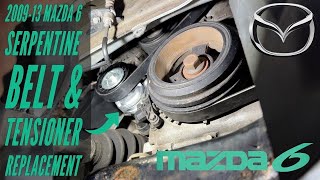
🎬 Watch this step-by-step guide to replacing your belt and tensioner.What's included in a serpentine belt component kit?
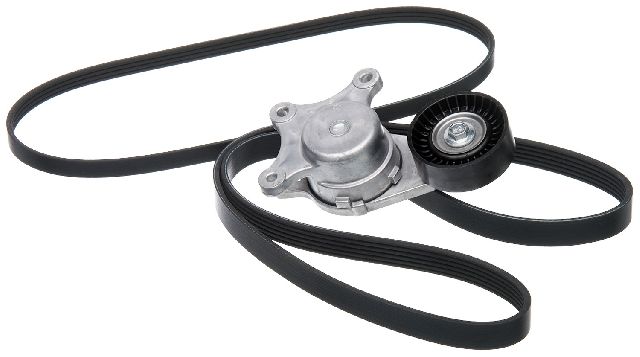
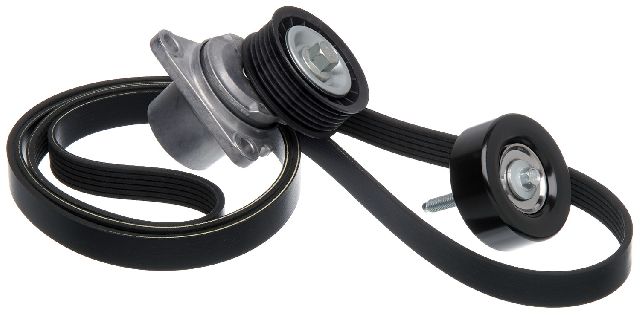
A complete kit, like those from Gates, typically includes the main serpentine drive belt, the automatic belt tensioner assembly, and any required idler pulleys. This ensures all the major wear components of the drive system are replaced at once for a complete and lasting repair.
My belt looks fine, but it's noisy. What's the problem?
If the belt is noisy but appears to be in good condition, the problem is likely a failing tensioner or idler pulley. The bearing in a pulley can wear out and cause a squealing or grinding noise. This is a strong indicator that the entire kit should be replaced soon.
Helpful Videos
Technical Specifications
OEM Part Numbers: L518-15-909A L3P9-15-909 PE03-15-980C
The 2010-2014 Mazda 6 with the 2.5L 4-cylinder engine uses a single serpentine belt to drive the alternator, water pump, power steering pump, and A/C compressor. The V6 model uses a different setup. The belt is kept under tension by an automatic tensioner assembly. The system also includes one or more smooth idler pulleys to route the belt correctly.
We Have This Part in Stock

The information in this article is provided for general reference and educational purposes only. Vehicle specifications, procedures, and part compatibility can vary by production date, trim level, and region. Always consult your vehicle's factory service manual and verify part numbers before purchasing or performing repairs. Safety-critical components such as airbags, seat belts, and braking systems should be installed by a qualified professional.
- Mazda 6: