

Spark Plug Guide for the 2010-2014 Mazda 6
Keep your Mazda 6 running smoothly with the right spark plugs for your specific engine.
- Verify your engine type; 2010-2013 models differ from the 2014 SKYACTIV model, and they use different plugs.
- NGK and Denso are the OEM suppliers and the most recommended aftermarket choice for reliability and performance.
- For the 2014 SKYACTIV engine, use only high-quality Iridium spark plugs to match the factory requirement.
- Symptoms like a rough idle, poor gas mileage, and a P0300-series check engine light strongly point to worn spark plugs.
Understanding Spark Plugs in Your Mazda 6

Choosing the right spark plugs for your 2010-2014 Mazda 6 is essential for engine health and performance. This guide will help you understand the differences between available options and make an informed decision. A key factor for this vehicle range is the engine type, as it changed in 2014.
Engine-Specific Spark Plugs: A Critical Detail
The 2010-2014 Mazda 6 model years span two different engine generations, which use different spark plugs. It is crucial to buy the correct plug for your specific year and engine.
- 2010-2013 Mazda 6: These models came with either a 2.5L four-cylinder (I4) or a 3.7L V6 engine. These engines use a specific type of spark plug designed for their architecture.
- 2014 Mazda 6: This model year introduced the new 2.5L SKYACTIV-G four-cylinder engine. SKYACTIV engines have a high compression ratio and require a different, specific spark plug (typically a fine-wire iridium type) for optimal performance.
Symptoms of Failing Spark Plugs

Worn-out spark plugs can cause noticeable problems. If you experience any of the following, it might be time for a replacement:
- Rough Idling: Your car may shake or vibrate when stopped.
- Poor Acceleration: The car feels sluggish or slow to respond when you press the gas pedal.
- Reduced Fuel Economy: You'll find yourself filling up the gas tank more often.
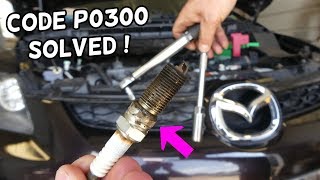
- Engine Misfires: The engine may sputter or hesitate, and the Check Engine Light might flash. This often triggers error codes like P0300 (random misfire) or P0301-P0304 🎬 Watch this video to troubleshoot and fix random misfire codes. (cylinder-specific misfires).
- Difficulty Starting: The engine may take longer to turn over, especially in cold weather.
Known Issues and Technical Service Bulletins (TSBs)

No widespread recalls exist for spark plugs on the 2010-2014 Mazda 6. However, some Technical Service Bulletins (TSBs) have been issued for related issues. TSBs are notices from Mazda to dealerships about potential problems and recommended repair procedures.
- TSB 01-014/16: For some 2014 models with the SKYACTIV engine, this bulletin addresses potential misfires (P0300-P0304) caused by ignition coil failure in areas with large temperature swings. The fix involves replacing faulty ignition coils. While not a spark plug issue directly, a bad coil can foul a plug and cause similar symptoms.
- TSB MT-004-22: For 2014 models, this TSB notes that a lean fuel trim (P0171) can also cause misfire codes (P030X).
- Water Intrusion: A TSB for some 2.5L engines notes that water can enter the spark plug wells, causing misfires and ignition coil issues. The bulletin advises checking that the cam cover trough drain hole is clear of debris.
Choosing the Right Aftermarket Spark Plug

Mazda uses high-quality spark plugs from the factory, typically NGK or Denso Iridium plugs. When shopping for aftermarket replacements, you can confidently choose these brands as they are the Original Equipment Manufacturer (OEM). Other brands offer compatible options that can be grouped by quality and material.
Brand Tiers
- OEM-Equivalent (Best Choice): NGK & Denso
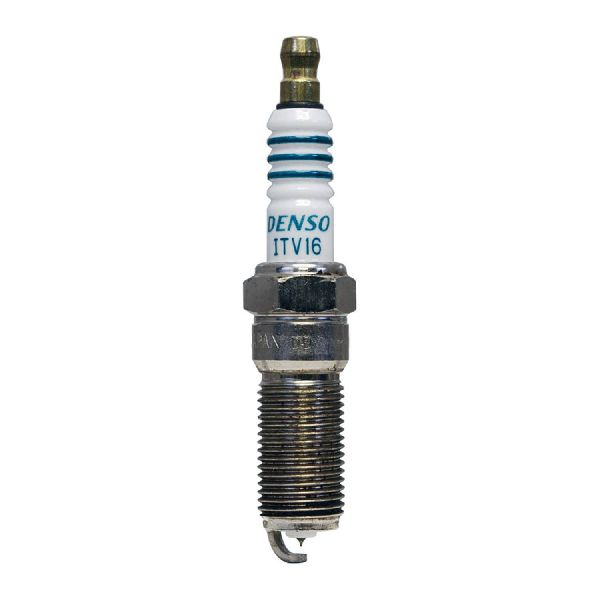
These brands are the original suppliers for Mazda. Choosing their Iridium Laser or Iridium TT series ensures you get a part that meets or exceeds factory specifications for performance and longevity. They are the most recommended choice by Mazda owners and mechanics. - High-Quality Aftermarket: Bosch & Champion
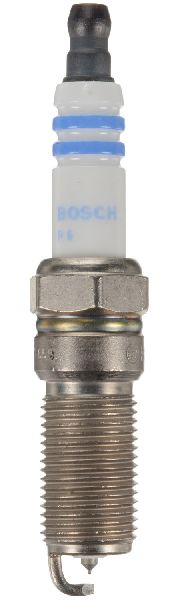
Bosch offers Iridium plugs that are a reliable alternative. Champion also provides compatible options. While not the OEM supplier, these are reputable brands with a long history in ignition parts. - Budget-Friendly: Autolite & Motorcraft
These brands offer more affordable platinum or copper plugs. While functional, they will not have the same performance or long service life as iridium plugs. Copper plugs, in particular, have a much shorter replacement interval. For the high-compression SKYACTIV engine, sticking with iridium is strongly recommended.
| Part Type | Estimated Cost | Notes |
|---|---|---|
| New OEM (Dealer) | $100 - $180 | Highest price, but guaranteed fit. Often just a rebranded NGK or Denso plug. |
| New Aftermarket (Iridium) | $40 - $100 | Best value. OEM-quality from brands like NGK and Denso. |
| New Aftermarket (Platinum/Copper) | $20 - $50 | Lower cost, but shorter lifespan and potentially reduced performance. Not recommended for SKYACTIV engines. |
| Shop Labor | $100 - $250 | Labor costs vary. The V6 engine will be more expensive due to difficult access to the rear spark plugs. |
Frequently Asked Questions (FAQ)
When should I replace the spark plugs on my Mazda 6?
For the 2.5L SKYACTIV engine (2014), the recommended interval is every 75,000 miles. For the earlier 2.5L and 3.7L engines, intervals can range from 60,000 to 75,000 miles, but it's best to check your owner's manual. If you notice any failure symptoms, you should inspect them sooner.
Do I need to gap my new spark plugs?
Most modern iridium and platinum spark plugs from quality brands like NGK and Denso come pre-gapped and should not be adjusted, as you risk damaging the fine-wire electrode. However, it is always a good practice to verify the gap with a feeler gauge before installation to ensure it wasn't changed during shipping.
What's the difference between Iridium, Platinum, and Copper plugs?
The main differences are material durability and performance. Iridium is the hardest material, offering the longest life (75,000+ miles) and most consistent spark, making it ideal for modern engines like the SKYACTIV. Platinum is a good mid-range option with a long life. Copper is an excellent conductor but wears out much faster, requiring more frequent changes.
Can I replace the spark plugs myself?
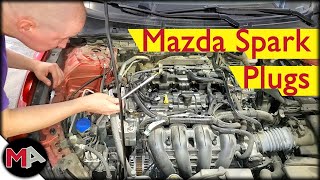
Yes, this is a DIY-friendly job 🎬 Follow this step-by-step guide to replacing your Mazda 6 spark plugs. for the four-cylinder engines. It requires basic tools like a socket wrench, an extension, and a special spark plug socket. For the 3.7L V6, the rear three plugs are much harder to access and may require removing the intake manifold, making it a more difficult job.
Helpful Videos
Technical Specifications
OEM Part Numbers: LFJD-18-110 LFG1-18-110 L3Y2-18-110 PE5R-18-110 PE5R-18-110A
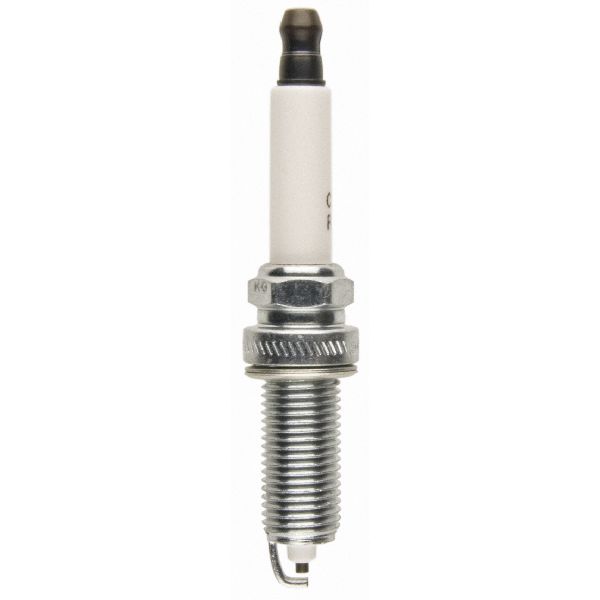
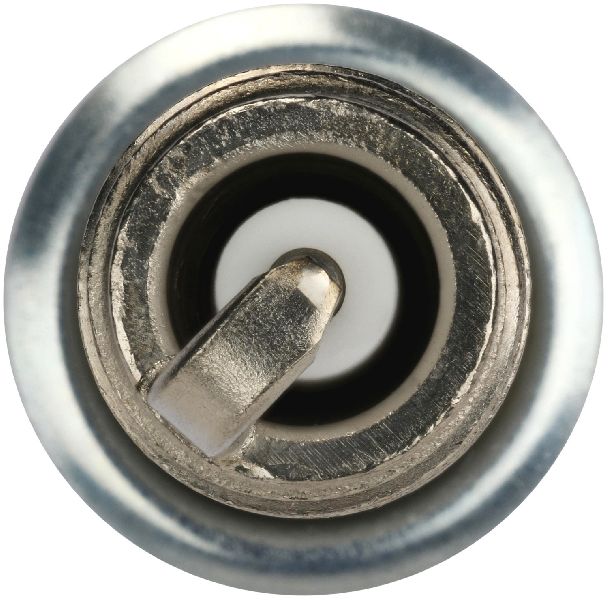
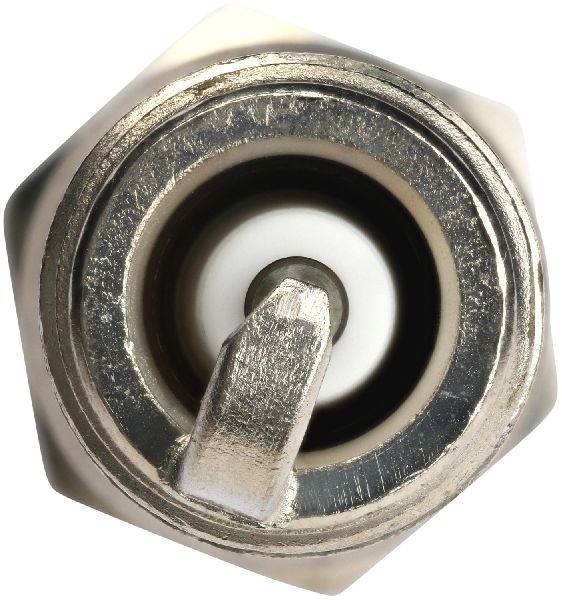
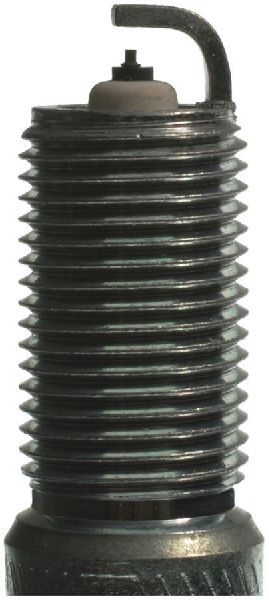
The 2010-2013 2.5L I4 and 3.7L V6 engines use traditional iridium or platinum plugs. The 2014 2.5L SKYACTIV-G engine requires specific fine-wire, long-reach iridium spark plugs (e.g., NGK ILKAR7L11) designed for high-compression, direct-injection engines.
We Have This Part in Stock

The information in this article is provided for general reference and educational purposes only. Vehicle specifications, procedures, and part compatibility can vary by production date, trim level, and region. Always consult your vehicle's factory service manual and verify part numbers before purchasing or performing repairs. Safety-critical components such as airbags, seat belts, and braking systems should be installed by a qualified professional.
- Mazda 6:
- 🎬 Helpful Videos
- 🛍️ Shop This Part
- Understanding Spark Plugs in Your Mazda 6
- Engine-Specific Spark Plugs: A Critical Detail
- Symptoms of Failing Spark Plugs
- Known Issues and Technical Service Bulletins (TSBs)
- Choosing the Right Aftermarket Spark Plug
- Brand Tiers
- Frequently Asked Questions (FAQ)
- 🎟️ Get 5% Off