

A Deep Dive into the 2010-2014 Mazda 6 Suspension Control Arm and Ball Joint Assembly
Addressing the common clunks, steering issues, and critical recalls for your Mazda 6 suspension.
- A critical safety recall for subframe corrosion affects 2010-2013 models in salt-belt states; verify with a Mazda dealer before repair.
- The most common symptom of failure is a clunking noise from the front suspension when going over bumps.
- Always replace control arms in pairs and perform a wheel alignment immediately after to prevent unsafe handling and rapid tire wear.
- Aftermarket quality varies; Beck Arnley and Delphi are reliable choices, while budget brands like Dorman have a higher risk of premature failure.
Is Your Mazda 6 Making a Clunking Noise?


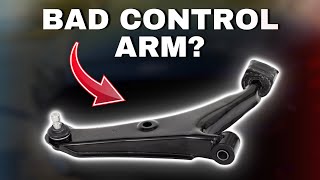
One of the most common issues for the 2010-2014 Mazda 6 is a distinct clunking or knocking sound from the front end, especially at low speeds over bumps. This noise is a classic sign that your control arm bushings or the integrated ball joint have worn out, allowing metal components to make contact. 🎬 Learn the top symptoms of a failing control arm. Ignoring this can lead to more serious steering and safety problems.
CRITICAL SAFETY RECALL: Subframe Corrosion
A major safety recall (NHTSA #19V323, originally 2818I) affects 2009-2013 Mazda 6 vehicles, particularly those in salt-belt states. The front subframe can rust severely, causing the mounting point for the passenger-side lower control arm to weaken or break. This can lead to a sudden loss of steering control. 🎬 See how severe subframe rust can impact your Mazda's safety. Before replacing any parts, it is vital to contact a Mazda dealer with your VIN to ensure this recall has been addressed on your vehicle.
Choosing the Right Aftermarket Control Arm

When replacing your control arms, you have options ranging from budget to premium. Since the entire assembly, including the ball joint and bushings, is replaced as one unit, the quality of these integrated components is key. Aftermarket parts can offer good value, but quality varies significantly between brands.
Brand Quality Tiers
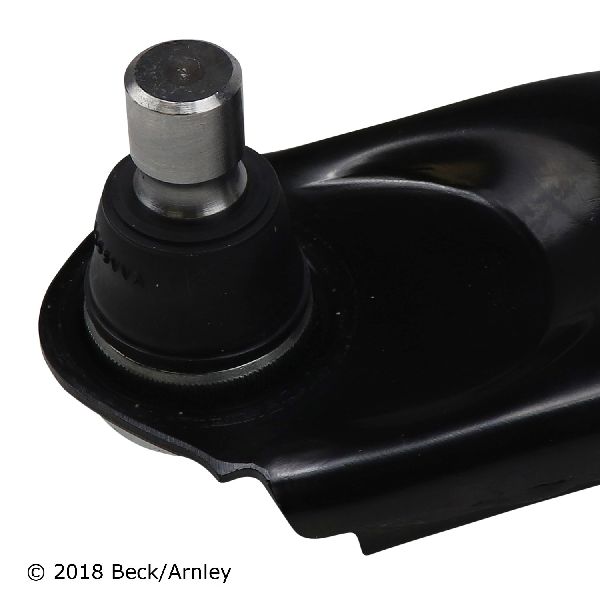
- Premium Aftermarket (Recommended): Brands like Beck Arnley and Delphi have a strong reputation. Beck Arnley often sources parts from the original equipment manufacturers, providing a near-OEM fit and quality. Delphi is also widely regarded as a reliable choice for suspension components.
- Mid-Grade / Variable Quality: Moog and Mevotech fall into this category. They can be excellent choices, but it's important to select their higher-end product lines. Mevotech's "Supreme" or "TTX" series are often praised by mechanics, while some users report issues with their standard-grade parts. Moog's quality can be inconsistent; some parts are excellent while others may not last as long as OEM.
- Economy / Budget: Dorman and Suspensia are typically the most affordable options. However, forum discussions frequently mention premature failures with Dorman control arm bushings and ball joints. There is very little information available on the long-term durability of the Suspensia brand. These brands may be a short-term fix but might require replacement again sooner than premium options.
Pro Tip: Replace in Pairs and Get an Alignment
It is highly recommended to replace control arms in pairs (both left and right sides). If one has failed, the other is likely not far behind. More importantly, a full wheel alignment is mandatory after replacement. Skipping the alignment will cause rapid and uneven tire wear, poor handling, and negate the benefits of your repair.
Understanding Replacement Costs
The cost can vary greatly depending on the parts you choose and who does the work. Buying an assembly is almost always easier and more cost-effective than trying to press new bushings and a ball joint into an old arm.
| Item | Estimated Cost |
|---|---|
| New Aftermarket Assembly (per side) | $72 - $218 |
| New OEM Assembly (per side) | $210 - $315 |
| Shop Labor | $144 - $211 |
| Total Professional Replacement (Aftermarket) | $460 - $650 (for a pair) |
Cost estimates are approximate and can vary by location and the specific parts chosen.
Frequently Asked Questions (FAQ)

Do I need to replace the whole assembly or just the bad bushing/ball joint?
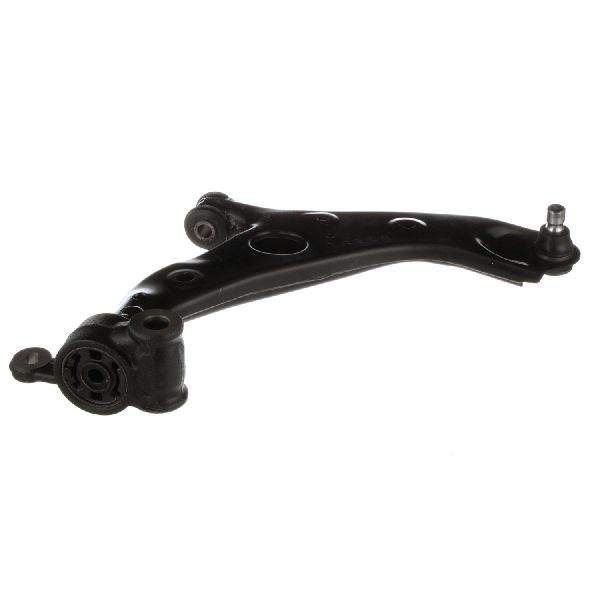
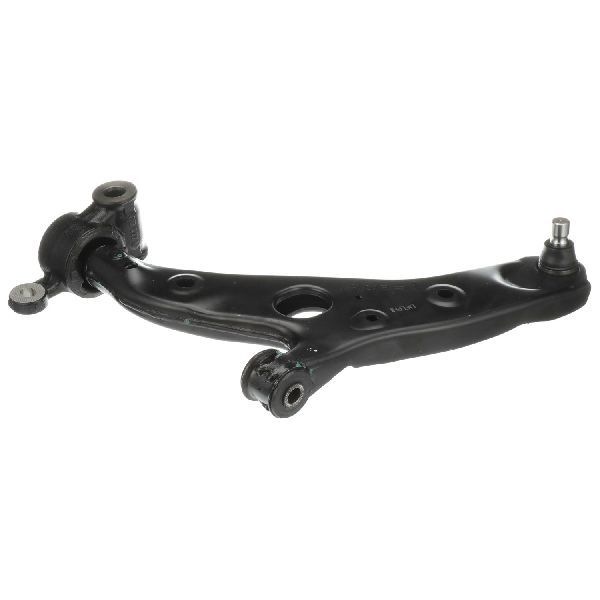
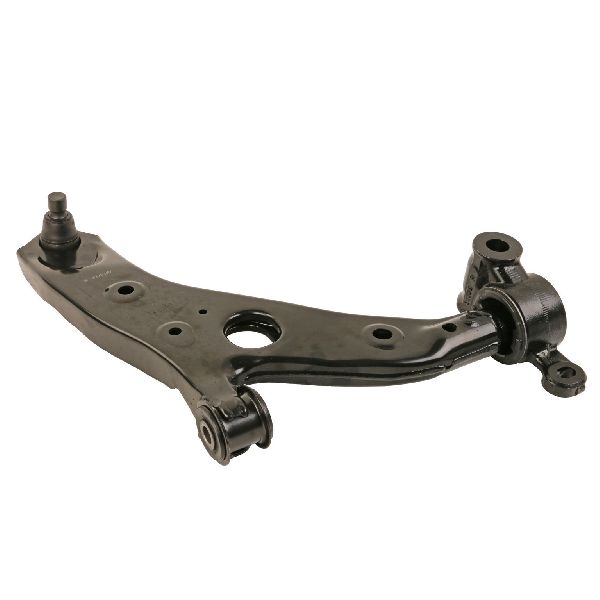
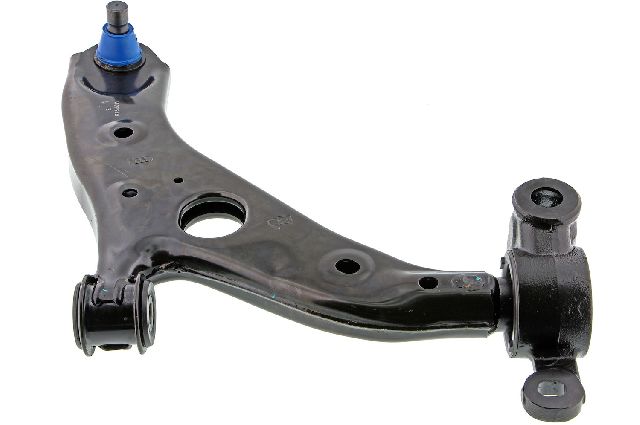
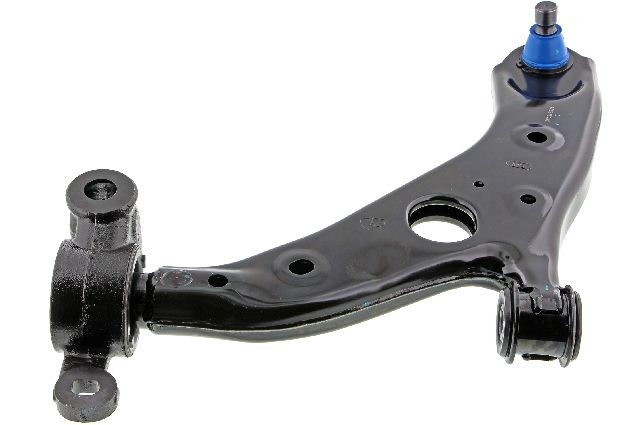
For the 2010-2014 Mazda 6, the front lower control arm is typically sold as a complete assembly with the ball joint and bushings pre-installed. This is the recommended method for replacement. It saves significant labor time and hassle compared to pressing individual components, and ensures all related wear items are new.
What happens if I don't replace a bad control arm?
Continuing to drive on a failing control arm is dangerous. The initial clunking noise will worsen, handling will become unpredictable, and your tires will wear out quickly. In a worst-case scenario, the ball joint could separate or the arm could fail completely, leading to a total loss of control over that wheel.
Is this a DIY-friendly job? 🎬 Watch this step-by-step guide to replacing your lower control arms.
For an experienced DIY mechanic, this is a feasible job. It requires a good set of tools, a torque wrench, jack stands, and potentially a ball joint separator. However, due to the critical subframe recall, it's wise to have a professional inspection first. Also, the final bolts must be torqued with the vehicle's weight on the suspension to prevent premature bushing failure, and a professional alignment is needed immediately after.
Does the 2014 model have the same parts as the 2010-2013 models?
No. The 2014 Mazda 6 marks the beginning of the third generation (GJ/GL), while the 2010-2013 models are part of the second generation (GH). They use different control arms and have different part numbers. The subframe corrosion recall specifically applies to the 2009-2013 model years. Always verify parts by your specific year and VIN.
Helpful Videos


Technical Specifications
OEM Part Numbers: GS3L-34-350B GS3L-34-300B GS3L34350B GS3L34300B
This guide covers the front lower control arm and ball joint assembly. The 2010-2013 (GH generation) models are subject to a specific subframe recall and use different parts than the 2014 (GJ generation) model. Always confirm part compatibility with your vehicle's VIN.
We Have This Part in Stock

The information in this article is provided for general reference and educational purposes only. Vehicle specifications, procedures, and part compatibility can vary by production date, trim level, and region. Always consult your vehicle's factory service manual and verify part numbers before purchasing or performing repairs. Safety-critical components such as airbags, seat belts, and braking systems should be installed by a qualified professional.
- Mazda 6:
- 🎬 Helpful Videos
- 🛍️ Shop This Part
- Is Your Mazda 6 Making a Clunking Noise?
- CRITICAL SAFETY RECALL: Subframe Corrosion
- Choosing the Right Aftermarket Control Arm
- Brand Quality Tiers
- Pro Tip: Replace in Pairs and Get an Alignment
- Understanding Replacement Costs
- Frequently Asked Questions (FAQ)
- 🎟️ Get 5% Off