

A Guide to the Engine Oil Pressure Switch for the 2010-2014 Volkswagen Golf
Seeing a red oil pressure light on your MK6 Golf? It might just be this simple, inexpensive switch.
- An oil pressure warning is critical; always check the oil level first before assuming the switch is bad.
- A common failure sign on the MK6 Golf is oil leaking from the switch into its own electrical connector.
- Replacement is simple, requiring a 24mm deep socket, and is a good DIY task for most owners.
- For this part, spending a little more on a reputable brand like Hella or Vemo is recommended over budget options.
Symptoms of a Failing Oil Pressure Switch on a MK6 Golf

When an oil pressure switch starts to fail, it can give you a serious scare. The symptoms often mimic actual low oil pressure, which is a critical engine problem. The key is to figure out if it's a bad sensor or a real emergency.
- Flickering or Solid Oil Pressure Light: This is the most common sign. The red "oil can" light on your dash may flash, especially during turns, acceleration, or braking, or it may stay on constantly. You might also get a "Stop! Oil Pressure Error" message on your display.
- Warning Light Comes on at Specific RPMs: Some owners report the light only appears when the engine reaches a certain speed, like 2000 RPM.
- Oil Leaking from the Switch: A very common point of failure is the switch itself. The plastic housing can crack or the internal seal can fail, causing oil to leak. A tell-tale sign is finding oil inside the electrical connector when you unplug it.
- Check Engine Light: A faulty switch can also trigger the check engine light. When scanned, you might find codes like P0520, P0521, P0522, P0523, or P0524.
Important: Diagnose Before You Replace
🎬 Watch: What to do when your oil light comes onAn oil pressure warning should always be taken seriously. Before assuming the switch is bad, check your oil level. If the level is good, it's best to have a mechanic test the actual oil pressure with a mechanical gauge. Driving with low oil pressure can destroy your engine quickly.
Choosing the Right Aftermarket Oil Pressure Switch

For a critical sensor like this, part quality matters. While an OEM switch from a Volkswagen dealer is always an option, many high-quality aftermarket brands provide reliable performance. Some are even the original suppliers to VW.
Aftermarket brands can be grouped into tiers:
- Tier 1 (OEM Supplier or Equivalent): Brands like Hella and Vemo are well-regarded in the European car community and are often OEM suppliers. They are a safe bet for quality and fit.
- Tier 2 (Reputable Aftermarket): Brands such as Beck Arnley and Standard Ignition (SMP) have a long history in the aftermarket. However, forum users suggest quality can sometimes be inconsistent, as they may rebox parts from various sources. These are generally acceptable but may not have the same long-term reliability as Tier 1.
- Tier 3 (Value-Oriented): This category includes brands like Walker Products and Global Parts. While they are the most affordable, they are best suited for a budget-conscious repair where long-term durability is less of a concern. For a part this critical and inexpensive, spending a few extra dollars for a higher-tier brand is a wise investment.
Pro Tip: Many owners on forums recommend sticking with OEM or known OEM-supplier brands for electronic sensors on German cars to avoid issues with incorrect readings or premature failure.
Typical Replacement Costs

Replacing the oil pressure switch is an inexpensive repair, whether you do it yourself or take it to a shop.
| Item | Estimated Cost |
|---|---|
| New Aftermarket Switch | $10 - $34 |
| New OEM Switch | $40 - $70 |
| Shop Labor | $53 - $78 |
| Total (Shop Repair) | $106 - $131 |
Frequently Asked Questions (FAQ)

Can I replace the oil pressure switch myself?
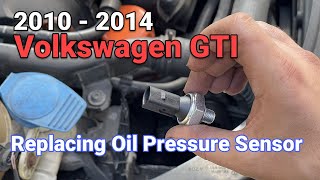
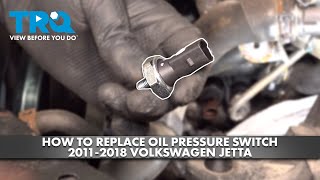
Yes, this is a very DIY-friendly job for the 2010-2014 Golf. The switch is usually easy to access on the engine block or near the oil filter housing. The only special tool you'll likely need is a 24mm deep-well socket. The entire job can often be done in under 30 minutes.
🎬 See this step-by-step oil pressure sensor replacement walkthroughWhere is the oil pressure switch located on my Golf?
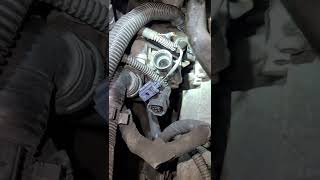
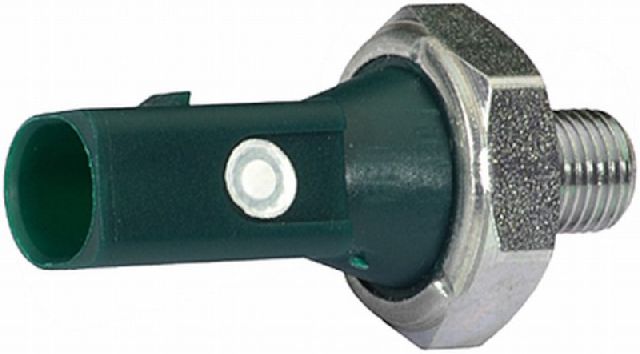
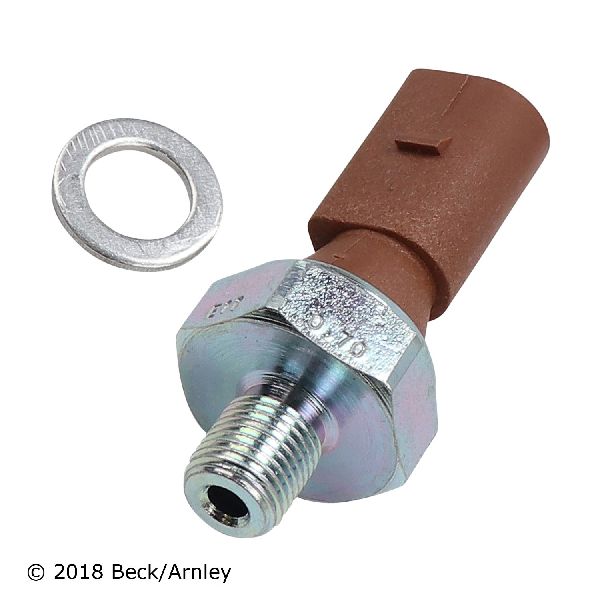
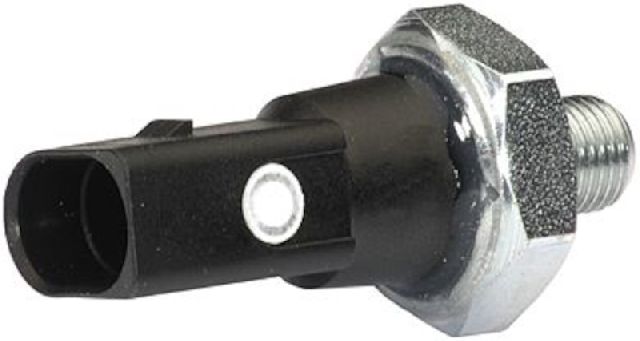
The location can vary slightly depending on your engine (2.0T, 2.5L, or TDI). On the popular GTI and 2.5L models, it is typically found on the engine block, often near the oil filter housing or below the intake manifold. Some engines have two switches, often color-coded blue and brown. A quick search for your specific engine will show its exact location.
🎬 Watch this guide to find and replace the 2.5L switchAre there any recalls for the oil pressure switch on the MK6 Golf?
No, there are no specific recalls from Volkswagen or NHTSA for a faulty engine oil pressure switch on the 2010-2014 Golf models. However, it is a widely discussed failure part in owner forums.
What happens if I ignore a bad oil pressure switch?
The biggest risk is that you won't know if your engine develops a real oil pressure problem. If the light is always on because of a bad switch, you'll have no warning when an actual, engine-destroying low-pressure event occurs. For the small cost of the part, it's not worth the risk.
Helpful Videos

Technical Specifications
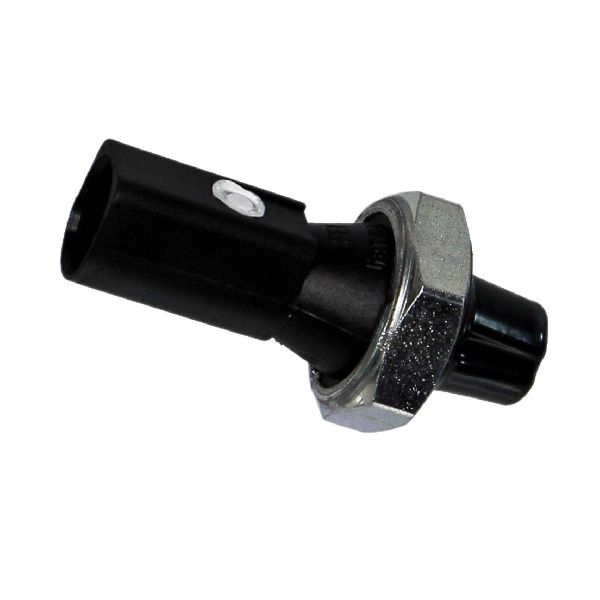
OEM Part Numbers: 06A919081J
Required Tool: 24mm deep socket. Thread Size: M10x1.0. Some models use two switches with different pressure ratings and colors (e.g., blue, brown).
We Have This Part in Stock


The information in this article is provided for general reference and educational purposes only. Vehicle specifications, procedures, and part compatibility can vary by production date, trim level, and region. Always consult your vehicle's factory service manual and verify part numbers before purchasing or performing repairs. Safety-critical components such as airbags, seat belts, and braking systems should be installed by a qualified professional.
- Volkswagen Golf: