

Engine Coolant Temperature Sensor Guide for 2010-2015 BMW 550i GT
Understand the signs of a failing coolant temperature sensor to keep your 550i GT's N63 engine running correctly.
- A failing sensor can cause poor fuel economy, overheating, or constant fan noise.
- For the N63 engine, using a quality aftermarket brand like Delphi, NGK, or Vemo is recommended.
- Replacement is a manageable DIY task that can be done in under an hour with basic tools.
- No recalls were found for this specific part on the 550i GT; issues with water pumps affect other BMW models.
Symptoms of a Failing Coolant Temperature Sensor
When the coolant temperature sensor on your 550i GT starts to fail, it can send incorrect signals to the engine computer, leading to noticeable problems. Because the symptoms can sometimes be similar to a bad thermostat or water pump, it's important to know what to look for.
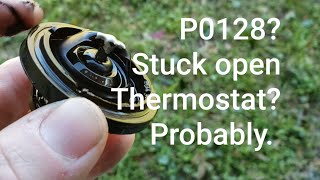
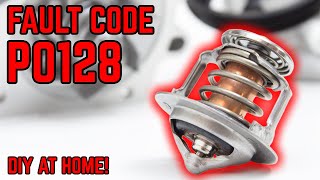
- Check Engine Light: This is often the first sign. The computer detects a problem with the sensor's signal and stores a fault code. Common codes include P0128 🎬 See how to diagnose and fix a P0128 fault code. (Coolant Temperature Below Thermostat Regulating Temperature) or P0116 (Engine Coolant Temperature Circuit Range/Performance).
- Poor Fuel Economy: If the sensor wrongly tells the computer the engine is cold, the computer will inject extra fuel. This leads to you using more gas than necessary.
- Black Smoke from Exhaust: The extra, unburnt fuel from a rich mixture can exit the tailpipe as black smoke.
- Engine Overheating or Fans Running Constantly: A bad sensor might fail to signal the cooling fans to turn on when the engine gets hot, leading to overheating. Conversely, it might send a constant 'hot' signal, causing the fans to run at full speed even when the engine is cold.
- Rough Idle and Poor Performance: With the wrong fuel and timing adjustments, your engine may idle poorly, hesitate, or feel sluggish.
Don't Ignore Overheating
If your temperature gauge shows the engine is overheating, pull over safely and turn off the engine as soon as possible. Driving with an overheating N63 engine can lead to severe and expensive damage.
Choosing the Right Aftermarket Sensor
For a critical engine like the BMW N63, part quality matters. While you can save money with an aftermarket sensor, choosing a reputable brand is key to avoiding future problems. Here’s a breakdown of your options:
- OEM-Supplier Brands: These companies manufacture parts for BMW directly. Brands like Delphi and NGK (NTK) have a strong reputation for quality and reliability built on their OE experience. Choosing one of these is the safest bet outside of buying a Genuine BMW part.
- Reputable Aftermarket Brands: Companies like Vemo, Beck Arnley, and Standard Ignition produce quality replacement parts that meet or exceed OEM specifications. They offer a good balance of price and reliability.
- Value-Oriented Brands: Brands such as URO Parts, Walker Products, and Holstein provide a budget-friendly option. URO Parts, in particular, is a common choice for DIY repairs and is often seen as a viable alternative to more expensive brands.
Pro Tip: Consider the O-Ring
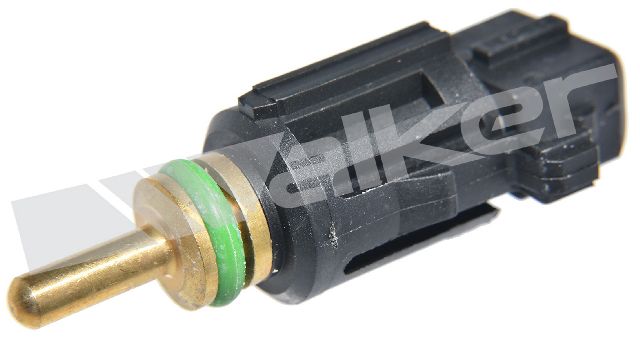
The sensor is sealed by a small O-ring. Many coolant leaks on BMWs come from reusing old, hardened O-rings. Always use the new O-ring that comes with your new sensor to ensure a proper seal.
Cost of Replacing the Engine Coolant Temperature Sensor
| Part Type | Estimated Cost |
|---|---|
| New Aftermarket Part | $19 - $69 |
| New OEM Part | $70 - $120 |
| Shop Labor | $150 - $300 |
Frequently Asked Questions
Where is the coolant temperature sensor located on my 2010-2015 550i GT?
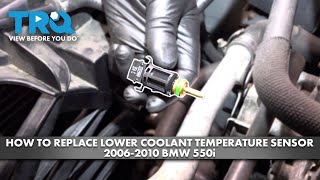
The N63 engine in your 550i GT has a coolant temperature sensor located on the front of the engine. It is typically found between the engine belt and the intercooler, threaded into a coolant passage. Some BMWs have a second sensor on the lower radiator hose that helps control the electric fan.
Can I replace this sensor myself?
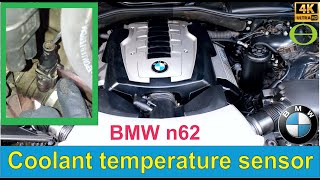
Yes, this is a DIY-friendly job for someone with basic mechanical skills. Access is a bit tight, but it does not require extensive disassembly. 🎬 Watch this N63 coolant temperature sensor replacement walkthrough. The job can often be done quickly to minimize coolant loss, avoiding the need to fully drain the system. You will need a 22mm socket or wrench, possibly a crow's foot style for better access.
Should I replace the thermostat at the same time?
It's not required, but it can be a good idea, especially if your car has higher mileage or you've received a P0128 fault code, which can point to a thermostat that is stuck open. Since the symptoms can overlap, replacing both parts can save you from having to do a similar job twice.
Why are my cooling fans always running at full speed?
When the engine computer (DME) loses the signal from the coolant temperature sensor or receives a reading that it knows is incorrect, it enters a failsafe mode. To protect the engine, it runs the cooling fans at maximum speed. This is a very common symptom of a failed sensor.
🎬 Watch why your BMW radiator fan might stay on constantly.Helpful Videos




Technical Specifications
OEM Part Numbers: 13621433076 13627580635
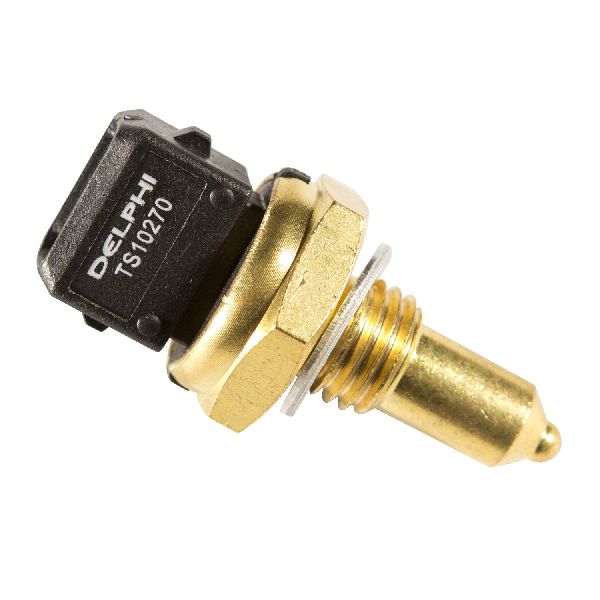
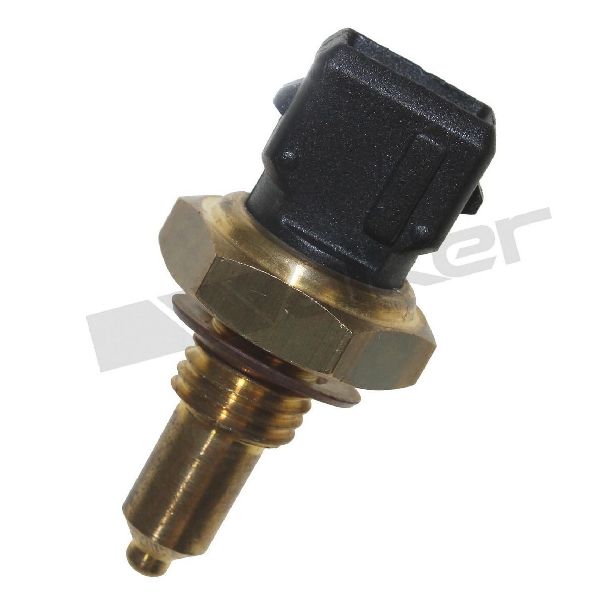
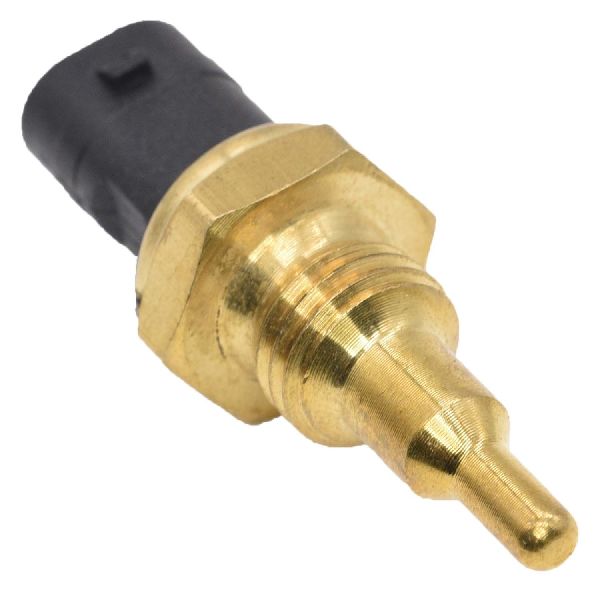
The sensor is a thermistor with a 2-pin connector that changes electrical resistance based on coolant temperature.
We Have This Part in Stock


The information in this article is provided for general reference and educational purposes only. Vehicle specifications, procedures, and part compatibility can vary by production date, trim level, and region. Always consult your vehicle's factory service manual and verify part numbers before purchasing or performing repairs. Safety-critical components such as airbags, seat belts, and braking systems should be installed by a qualified professional.
- BMW 550i GT: