

A Mechanic's Guide to the 2010-2015 GMC Terrain Automatic Transmission Oil Cooler
Keep your Terrain's transmission safe from heat-related failure by understanding this critical part.
- Transmission fluid leaks are the #1 sign of a failing cooler on the Terrain; look for red fluid.
- Overheating is a critical threat to this transmission; a bad cooler is a common cause.
- A GM recall for leaking cooler lines on this platform makes inspecting your lines essential.
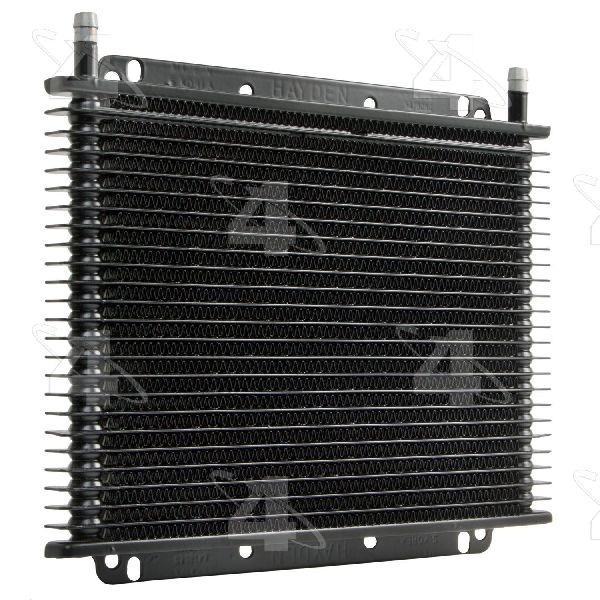
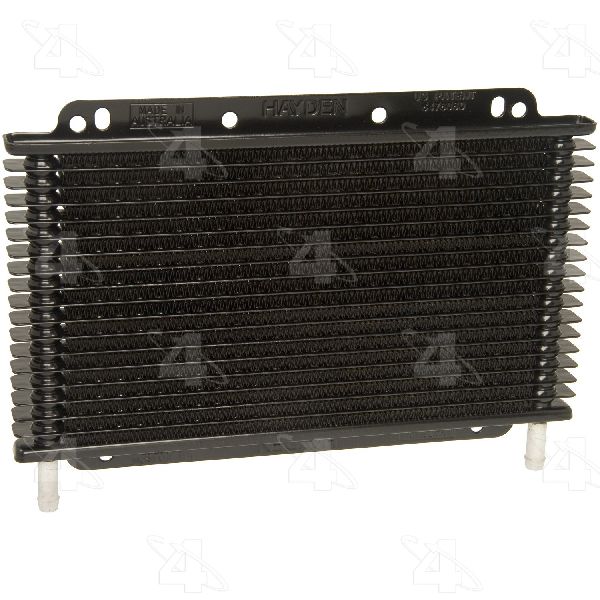
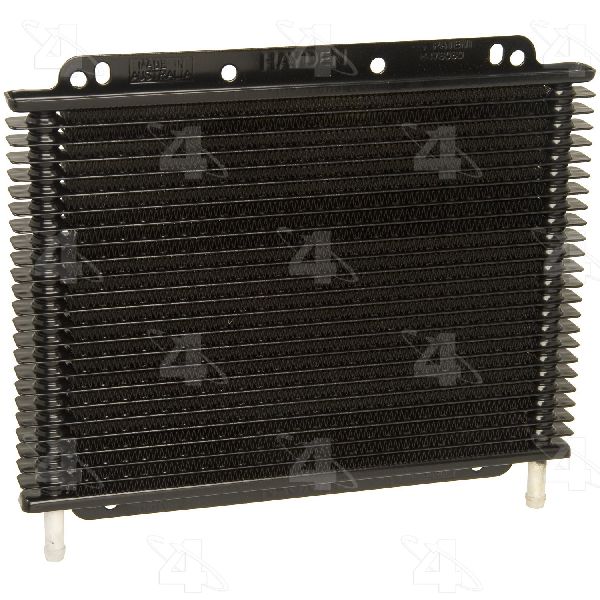
- Quality aftermarket brands like Hayden offer a reliable repair for significantly less than OEM parts.
Is Your Transmission at Risk?

The transmission in the 2010-2015 GMC Terrain can be sensitive to high temperatures. Heat is the number one enemy of an automatic transmission, causing fluid to degrade and internal parts to fail. A failing oil cooler can quickly lead to a transmission that overheats, which may result in thousands of dollars in repairs. Recognizing the signs of a bad cooler is the first step to protecting your investment.
Symptoms of a Failing Transmission Oil Cooler

A failing cooler usually shows one or more of these warning signs. Ignoring them can lead to serious transmission damage.
- Transmission Fluid Leaks: This is the most common symptom. You may see puddles of red or brownish fluid under the front of your Terrain. Leaks often happen where the cooler lines connect to the cooler itself.
- Transmission Overheating / Warning Lights: Your vehicle might display a transmission temperature warning light, or you may notice the temperature gauge running high. An overheating transmission is a serious problem that needs immediate attention.
- Poor Shifting Performance: You might feel harsh shifts, delayed engagement when putting the car in drive, or slipping between gears. This happens because hot or low fluid can't create the hydraulic pressure needed to shift smoothly.
- Burning Smell: A burnt toast or acrid smell from under the hood can indicate that the transmission fluid is overheating and burning.
Known Issues for This Vehicle
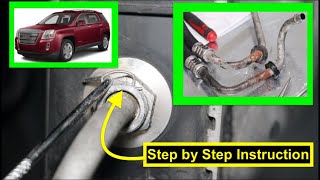
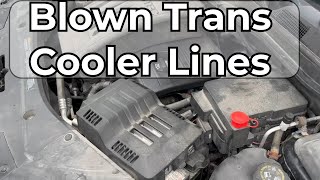
GM issued a safety recall (#14121 / NHTSA 14V-152) for some vehicles on this platform due to transmission oil cooler lines that were not securely seated. This could cause a sudden and severe fluid leak, potentially leading to a fire if the fluid contacts hot exhaust parts. It is critical to inspect your cooler lines for leaks at the fittings. 🎬 Watch: Step-by-step guide to replacing leaking transmission cooler lines. Additionally, GM released a Technical Service Bulletin (TSB) for a revised Transmission Cooler Bypass Valve that opens at a lower temperature, improving cooling performance.
Choosing the Right Aftermarket Cooler

For the 2010-2015 Terrain, the original cooler is a standalone part, not integrated into the radiator, making replacement straightforward. When choosing an aftermarket part, you have good options that meet or exceed OEM quality for less money.
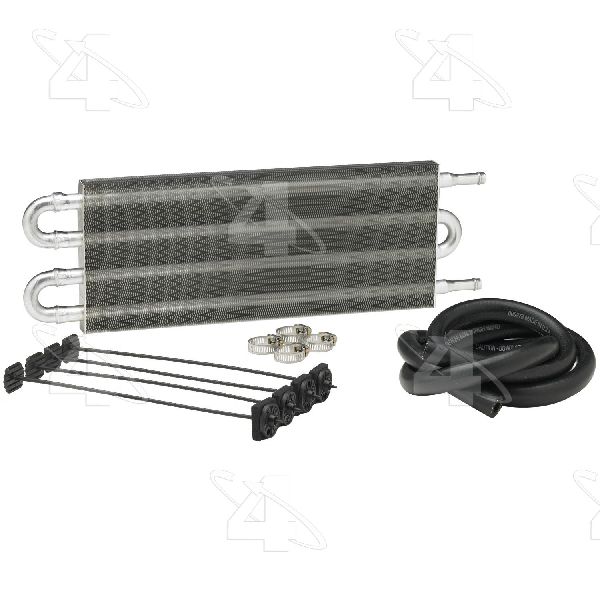
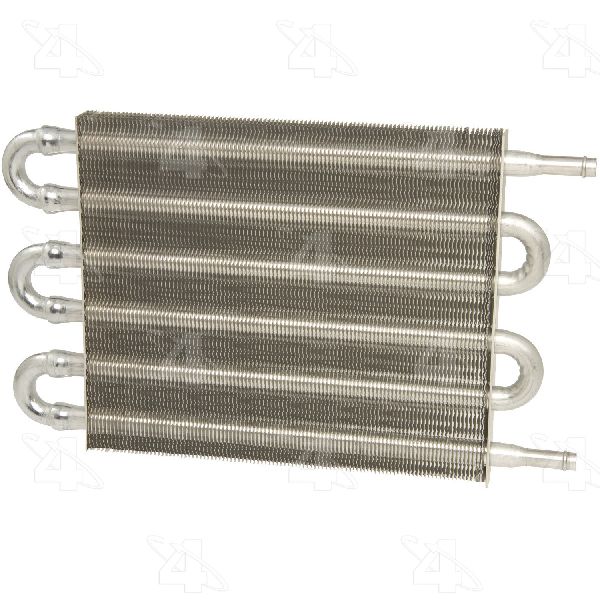
- Brand Tier 1 (High-Quality Replacement): Brands like Hayden are specialists in vehicle cooling. They have a strong reputation for quality construction and are often used by professional mechanics. A Hayden cooler is an excellent choice for a reliable, long-lasting repair.
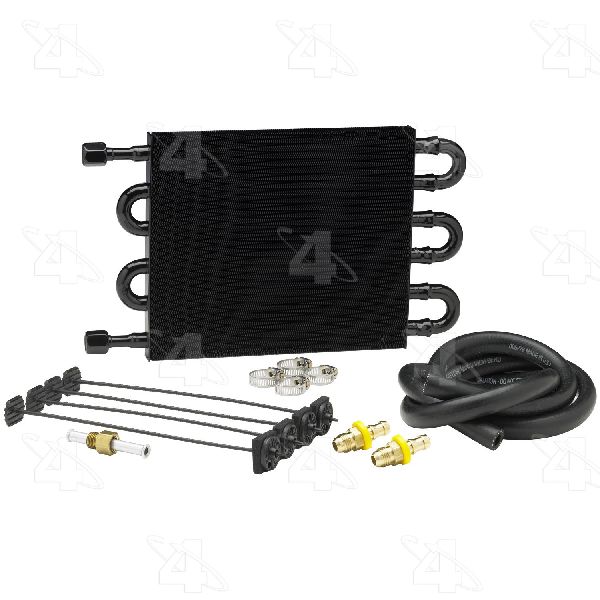
- Brand Tier 2 (Standard Replacement): A brand like Four Seasons provides a cost-effective, direct-fit replacement that meets original specifications. These are solid parts for getting your vehicle back on the road without the expense of an OEM part.
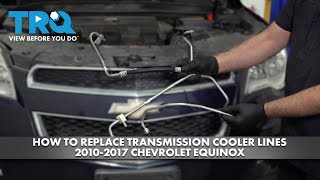
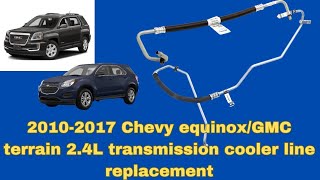
Pro Tip: When replacing the cooler, it's a good idea to also replace the cooler lines, especially if they are original. 🎬 See how to swap out both inlet and outlet cooler lines. The rubber sections can become brittle and the metal fittings can corrode. Also, consider asking your mechanic about the updated Transmission Cooler Bypass Valve (TBV) mentioned in GM's service bulletins to improve overall cooling.
Cost of Replacing the Transmission Oil Cooler
| Part Type | Estimated Part Cost |
|---|---|
| New Aftermarket (Hayden, Four Seasons) | $51 - $105 |
| New OEM (GM Genuine) | $150 - $250 |
| Shop Labor | $180 - $300 |
| Total Estimated Cost | $231 - $405 (Aftermarket) / $330 - $550 (OEM) |
Note: Costs are estimates and will vary based on your location, the specific part chosen, and the repair shop's labor rates. This does not include the cost of new transmission fluid.
Frequently Asked Questions

Can I install a new transmission cooler myself?
For an experienced DIY mechanic, this is a manageable job. It requires removing the battery, battery tray, and possibly other components to access the cooler at the front of the vehicle. You will need a good tool set, a drain pan, and a way to safely lift the vehicle. If you are not comfortable with this level of work, it's best to leave it to a professional. The estimated time is 1.5 to 2.5 hours.
Do I need to flush the system when I replace the cooler?
Yes. If your old cooler failed, it may have sent debris into the transmission lines. Flushing the system is a required step to ensure that debris doesn't damage your new cooler or the transmission itself. Many shops use a special machine (like the J-45096 mentioned in GM bulletins) to do this.
What kind of transmission fluid does the 2010-2015 GMC Terrain use?
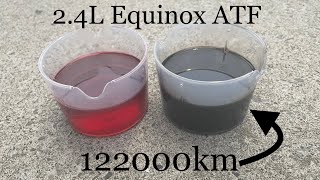
This generation of GMC Terrain requires DEXRON-VI automatic transmission fluid. 🎬 Watch: How to properly drain and fill your transmission fluid. Always use the correct fluid, as using the wrong type can cause shifting problems and damage the transmission.
Is a bigger, universal cooler better for my Terrain?
For most owners, a direct-fit aftermarket cooler from a quality brand is sufficient. An oversized universal cooler is generally not necessary unless you do a lot of heavy towing or live in an extremely hot climate. A direct-fit part ensures proper connection and mounting without modification.
Helpful Videos
Technical Specifications
OEM Part Numbers: 22858397
Type: Standalone Plate-and-Fin or Tube-and-Fin Heat Exchanger. Fluid Type: DEXRON-VI.
We Have This Part in Stock

The information in this article is provided for general reference and educational purposes only. Vehicle specifications, procedures, and part compatibility can vary by production date, trim level, and region. Always consult your vehicle's factory service manual and verify part numbers before purchasing or performing repairs. Safety-critical components such as airbags, seat belts, and braking systems should be installed by a qualified professional.
- GMC Terrain: