

Honda Insight A/C Receiver Drier and Desiccant Guide (2010-2015)
If your Insight's A/C is struggling, the problem might be this small but critical filter.
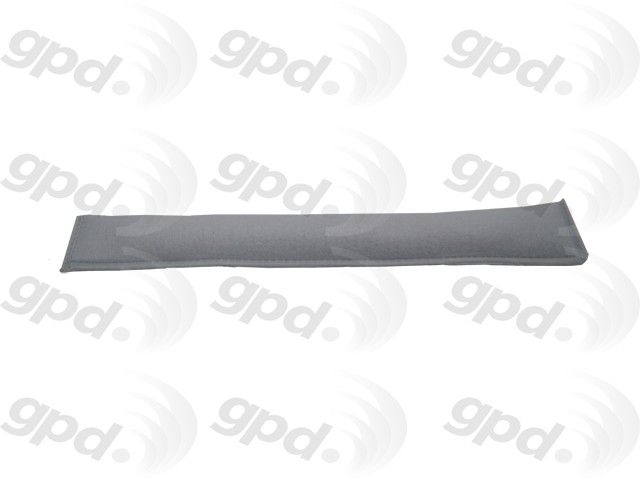
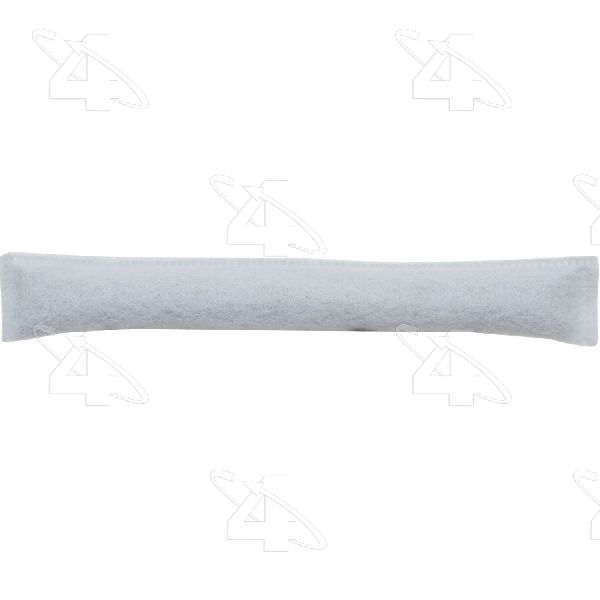
- For the 2010-2015 Insight, this part is a desiccant bag inside the condenser, not a separate canister.
- It MUST be replaced any time the A/C system is opened for another repair to protect new components and validate warranties.
- Replacement is not a DIY task as it requires specialized A/C service equipment for refrigerant recovery and recharging.
- Symptoms like poor cooling or a musty smell point to a possible A/C system issue where the drier should be replaced as part of the repair.
Is Your Insight's A/C Not as Cold as It Used to Be?
When the air conditioning in your 2010-2015 Honda Insight starts to weaken, many potential culprits exist. While major components like the compressor are often suspected, a small, inexpensive part called the A/C receiver drier could be the source of the problem. This component is a filter filled with desiccant material that removes moisture from your A/C system. It's a critical maintenance part that is often overlooked.
Symptoms of a Failing A/C Receiver Drier
A bad receiver drier rarely fails on its own; its failure is usually a sign of a larger problem, like a leak elsewhere or debris from a failing compressor. Here are the common signs that your Insight's desiccant bag needs replacement:
- Poor Cooling Performance: This is the most common symptom. A clogged drier restricts the flow of refrigerant, meaning the air from your vents won't get cold.
- Musty or Moldy Smell: When the desiccant becomes saturated with moisture, it can't absorb any more. This allows mold and mildew to grow inside the dark, damp evaporator case, causing a foul smell when you turn on the fan.
- Frost on A/C Parts: A severe clog inside the drier can cause a rapid pressure drop, making the component extremely cold. You might see frost forming on the outside of the condenser where the drier is located.
- Rattling Noises: In some cases, the desiccant bag can rupture, or internal parts can come loose, creating a rattling sound when the A/C is running.
Important: This is Not a DIY Job
Replacing the A/C receiver drier requires recovering the refrigerant from the system, opening the sealed system, replacing the part, and then pulling a vacuum and recharging the system with the correct amount of refrigerant and oil. This process requires specialized and expensive equipment. Attempting this without the proper tools can damage your A/C system and is harmful to the environment.
Choosing the Right Aftermarket Drier for Your Insight
For the 2010-2015 Insight, the receiver drier is a desiccant bag that fits inside the condenser. When shopping for a replacement, you will likely encounter brands like Four Seasons and Global Parts Distributors (GPD).
- Good Aftermarket (Four Seasons, Global Parts): Both are well-known brands in the aftermarket A/C world. GPD promotes its quality control, stating its parts are leak-tested. Reviews for Four Seasons A/C components are mixed; some users have great success, while others report early failures on parts like compressors. For a simple desiccant bag, either brand should perform adequately, as its function is straightforward. The most critical factor is that it is new and sealed until the moment of installation.
- OEM (Honda): An original Honda part is always a safe bet for fit and quality, but it will come at a higher price. Given that the aftermarket part is a simple desiccant filter, a quality aftermarket option offers significant savings for similar performance.
Pro Tip: The receiver drier should be replaced anytime the A/C system is opened for a major repair, such as replacing the compressor or condenser. Most warranties for new A/C compressors require the drier to be replaced at the same time.
Estimated Costs for Replacement
| Part | Estimated Cost |
|---|---|
| New Aftermarket Drier | $13.29 - $22.14 |
| Shop Labor & System Recharge | $300 - $450 |
| Total Estimated Cost | $315 - $475 |
Note: Costs are estimates and can vary based on your location and the specific repair shop. Labor costs are derived from total replacement estimates.
Frequently Asked Questions
When should I replace the receiver drier?
You must replace the receiver drier/desiccant bag whenever the A/C system is opened to the atmosphere for any repair, like a hose, condenser, or compressor replacement. The desiccant material will immediately absorb moisture from the air, rendering it useless. It's also recommended to replace it every 3-4 years as preventative maintenance.
Are there any recalls for the 2010-2015 Insight A/C?
No, there are no specific recalls or technical service bulletins (TSBs) for the A/C receiver drier on the 2010-2015 Honda Insight. However, Honda did issue a warranty extension for faulty A/C condensers on later 2019-2021 models that were prone to leaking. This does not apply to the 2010-2015 generation.
Can I just add more refrigerant if my A/C is not cold?
If your system is not cold because of a leak, adding refrigerant is only a temporary fix. If the issue is a clogged drier, adding more refrigerant will not solve the problem and can potentially cause damage from over-pressurizing the system. A proper diagnosis is always the best first step.
Where is the receiver drier located on my 2010-2015 Insight?
The receiver drier is a desiccant bag located inside a cylinder that is part of the A/C condenser. The condenser is positioned in front of the radiator at the very front of the car.
Technical Specifications
OEM Part Numbers: 80101-TM8-A01
Desiccant Bag for Condenser Assembly
We Have This Part in Stock

The information in this article is provided for general reference and educational purposes only. Vehicle specifications, procedures, and part compatibility can vary by production date, trim level, and region. Always consult your vehicle's factory service manual and verify part numbers before purchasing or performing repairs. Safety-critical components such as airbags, seat belts, and braking systems should be installed by a qualified professional.
- Honda Insight: