

Honda Pilot Vehicle Speed Sensor Guide for 2010-2015 Models
Experiencing a jumpy speedometer or rough shifting in your Honda Pilot? Your vehicle speed sensor might be the problem.
- A failing VSS on a 2010-2015 Pilot primarily causes erratic shifting and a faulty speedometer.
- The correct part is the output shaft speed sensor located on the transmission, not the ABS wheel sensors.
- Reputable aftermarket brands like Delphi and Standard Ignition are reliable, cost-effective alternatives to the OEM part.
- This is a DIY-friendly repair for those with basic tools, saving significant labor costs.
Understanding the Vehicle Speed Sensor in Your 2010-2015 Pilot
When the vehicle speed sensor (VSS) in your Honda Pilot starts to fail, it can cause some confusing and frustrating problems. This sensor is a key part of the communication between your transmission and the engine's computer. It doesn't just run the speedometer; it directly affects how your transmission behaves. Understanding its role helps you diagnose the problem correctly and choose the right replacement part.
Symptoms of a Failing Vehicle Speed Sensor
A bad VSS will give you clear signs. Look out for these common issues:
- Erratic Speedometer: The needle may jump around, read an incorrect speed, or not move at all.
- Harsh Shifting: Your automatic transmission may slam into gear, hesitate between shifts, or shift at the wrong times.
- Cruise Control Failure: The cruise control will not engage or will shut off unexpectedly because it isn't getting a reliable speed signal.
- Check Engine Light: The Powertrain Control Module (PCM) will often trigger the Check Engine Light and store a trouble code like P0720, P0722, or P0723.
A Note on Wheel Speed Sensors
Your Pilot also has speed sensors at each wheel, called ABS sensors. These are for the Anti-lock Brake System (ABS) and Vehicle Stability Assist (VSA). While they also measure speed, they are different from the transmission-mounted VSS discussed here. Problems with ABS sensors usually trigger ABS or VSA warning lights.
Choosing the Right Aftermarket VSS: Brand Quality
For a part like the VSS, you don't always need to pay dealership prices for a genuine Honda part. Quality aftermarket brands offer a reliable and more affordable solution. For the 2010-2015 Pilot, there are no widespread reports of issues with reputable aftermarket sensors.
- Delphi: Delphi is a well-known OE (Original Equipment) supplier for many car manufacturers. Their sensors are built to meet or exceed factory specifications and are known for their reliability and accurate signal output.
- Standard Ignition (SMP): Standard Motor Products is another top-tier aftermarket brand with a long history of producing quality engine management parts. They offer a wide range of sensors that are a dependable alternative to OEM parts.
Pro Tip: Both Delphi and Standard Ignition are trusted in the repair industry. Choosing between them often comes down to price and availability. Both are solid choices for your Pilot.
Cost of Replacing a Vehicle Speed Sensor (2010-2015 Honda Pilot)
| Part/Service | Estimated Cost |
|---|---|
| New OEM Part | $165 - $226 |
| New Aftermarket Part | $68 - $84 |
| Shop Labor | $126 - $185 |
| Total (DIY Aftermarket) | $68 - $84 |
| Total (Shop Install w/ Aftermarket) | $194 - $269 |
Costs are estimates and may vary based on your location and specific vehicle condition.
Frequently Asked Questions (FAQ)
Where is the vehicle speed sensor located on a 2010-2015 Honda Pilot?
The main vehicle speed sensor (often called the output shaft speed sensor) is located on the outside of the automatic transmission housing. You will need to raise the vehicle and remove the lower splash shield to access it.
Can I drive my Pilot with a bad vehicle speed sensor?
Yes, but it is not recommended for long. While the engine will run, you will experience poor and potentially unsafe transmission shifting, have an inaccurate speedometer, and your cruise control will not work. It's best to get it replaced soon to avoid potential damage to the transmission from harsh shifting.
Is replacing the VSS a difficult job?
No, for a person with basic mechanical skills, it is a relatively easy job. It involves safely raising the vehicle, removing a splash shield, unplugging a connector, and removing a single bolt. The estimated time is about 30 minutes to an hour.
Are there any recalls for this part on my Pilot?
No. As of now, there are no specific recalls or widespread Technical Service Bulletins (TSBs) from Honda for vehicle speed sensor failure on the 2010-2015 Honda Pilot models.
Technical Specifications
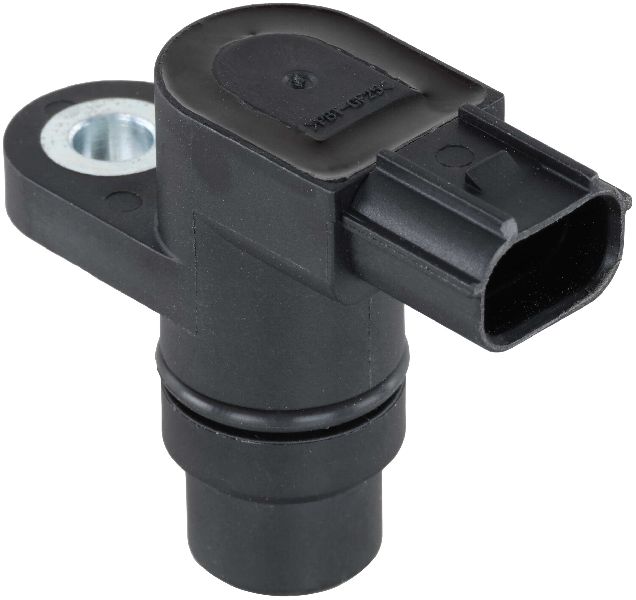
OEM Part Numbers: 28820-RPC-003
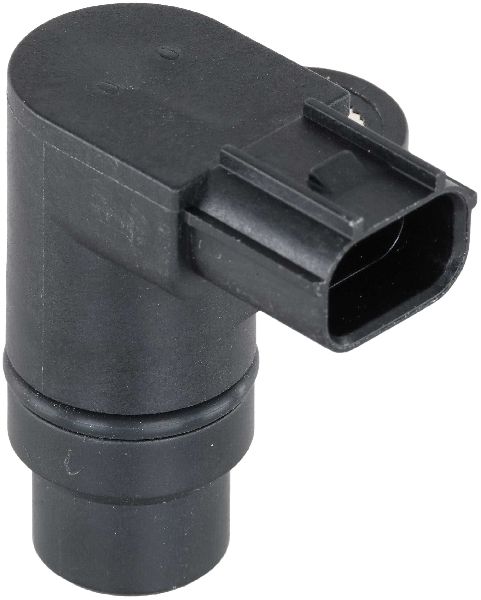
This sensor is typically a 2 or 3-pin magnetic sensor that mounts to the transmission case and reads the rotation of the output shaft.
We Have This Part in Stock


The information in this article is provided for general reference and educational purposes only. Vehicle specifications, procedures, and part compatibility can vary by production date, trim level, and region. Always consult your vehicle's factory service manual and verify part numbers before purchasing or performing repairs. Safety-critical components such as airbags, seat belts, and braking systems should be installed by a qualified professional.
- Honda Pilot:
- 🛍️ Shop This Part
- Understanding the Vehicle Speed Sensor in Your 2010-2015 Pilot
- Symptoms of a Failing Vehicle Speed Sensor
- A Note on Wheel Speed Sensors
- Choosing the Right Aftermarket VSS: Brand Quality
- Cost of Replacing a Vehicle Speed Sensor (2010-2015 Honda Pilot)
- Frequently Asked Questions (FAQ)
- 🎟️ Get 5% Off