

A Guide to the Alternator for the 2010-2015 Hyundai Sonata
Is your Sonata showing signs of electrical problems? Your alternator might be the culprit.
- A battery light, dimming headlights, and whining noises are key signs of a failing alternator in your Sonata.
- The job is DIY-possible for those with mechanical experience, but access is tight and may require removing other components.
- Mando, Valeo, Denso, and Bosch are top-tier aftermarket choices; Remy and WAI are good value options.
- Always confirm the correct amperage (usually 110A or 130A) for your specific Sonata model before buying a replacement.
Is Your Sonata's Alternator Failing?

When your 2010-2015 Hyundai Sonata's alternator starts to fail, it usually gives you a few warning signs. Ignoring them can leave you stuck on the side of the road. The most common sign is the battery warning light on your dashboard. You might also notice your headlights and interior lights dimming or flickering, especially at idle. Other electrical issues, like slow power windows or a radio that cuts out, can also point to a weak alternator. In some cases, you might hear a grinding or whining noise from the engine bay, which could be the bearings inside the alternator failing.
Don't Mistake a Bad Battery for a Bad Alternator
A dead battery is a common symptom, but it doesn't always mean the alternator is bad. Batteries typically last 3-5 years. If your battery is new and keeps dying, the alternator is the likely suspect for not recharging it properly. A parts store can test both your battery and alternator for free to pinpoint the problem.
Choosing the Right Aftermarket Alternator

When replacing the alternator on your Sonata, you have several options. You don't have to buy the expensive dealership part to get your car running reliably again.
OEM vs. Aftermarket Quality
The original alternator in your Sonata was likely made by Mando or Valeo. These are top-quality parts. When you buy an aftermarket part, you're choosing from brands that either supply original parts, remanufacture old units, or build new copies. For a critical part like an alternator, quality matters. While some owners have had bad experiences with aftermarket alternators failing prematurely, choosing a reputable brand can provide reliable performance for a much lower cost than an OEM unit.
Aftermarket Brand Tiers for Your Sonata
Not all aftermarket brands are created equal. They generally fall into a few quality tiers:
- Premium Aftermarket (OEM-Equivalent): Brands like Bosch, Denso, and Valeo are often original equipment suppliers for many car manufacturers. They have a strong reputation for quality and reliability that is very close to the original part. Mando, the likely OEM for your Hyundai, also sells directly to the aftermarket and is an excellent choice.
- Quality Aftermarket: Brands like Remy and WAI Global offer a balance of value and quality. They are often new units, not remanufactured, and provide a dependable alternative to the premium brands. Some user reviews mention occasional issues, but many have had good long-term success with them.
- Standard/Remanufactured: Brands like BBB Industries and MPA (Motor Parts of America) often specialize in remanufactured parts. This means they take old alternator cores, replace worn components like bearings and brushes, and test them. Quality can sometimes be inconsistent compared to a new unit, but they are a very budget-friendly option and often come with a warranty.
Check Your Amperage
Sonatas in this generation came with different alternators, often with 110-amp or 130-amp ratings. Always check the specifications of your original part or provide your vehicle's VIN when ordering to ensure you get the correct amperage. Using an underpowered alternator can lead to charging problems.
Cost of Replacing a Hyundai Sonata Alternator
The cost can vary widely based on the part you choose and who does the work. Here is a general breakdown of what to expect:
| Part Type | Estimated Cost |
|---|---|
| New OEM | $534 - $836 |
| New Aftermarket | $155 - $448 |
| Remanufactured Aftermarket | $157 - $275 |
| Shop Labor | $162 - $238 |
Frequently Asked Questions

Is replacing the alternator a DIY job?
For a moderately experienced DIYer, yes. The alternator is located on the front of the engine. The job requires removing the serpentine belt and a few mounting bolts. Access can be tight, and on the 2.4L and 2.0T engines, you may need to remove a motor mount or other components to get the alternator out. If you are not comfortable working in tight spaces or supporting the engine, it's best to leave this job to a professional. Always disconnect the battery before starting.
Were there any recalls for the 2010-2015 Sonata alternator?
No widespread recalls for alternator failure were found for the 2010-2015 Hyundai Sonata. However, a service campaign (TTT) was issued for some 2015-2017 Sonata 1.6L Turbo models to replace the top alternator mounting bolt. There was also a TSB for the Hybrid model (LF HEV) regarding noise from the Hybrid Starter Generator (HSG) pulley. These do not apply to the most common 2.4L and 2.0T non-hybrid models but show that related components have been addressed by Hyundai.
What causes the alternator to fail?
Alternators can fail from simple wear and tear after many years and miles (typically over 100,000). The internal bearings can wear out, causing noise, or the voltage regulator can fail, leading to incorrect charging. Oil leaks from valve cover gaskets dripping onto the alternator are also a common cause of premature failure. A weak or failing battery can also put extra strain on the alternator, causing it to work harder and fail sooner.
Can I upgrade to a higher-amperage alternator?
Yes, you can upgrade, but it's usually not necessary unless you have added significant electrical accessories like a powerful stereo system with amplifiers or extra lighting. If you do upgrade, you must ensure the new alternator is a direct fit and may need to verify the belt routing is the same. For a stock vehicle, an alternator with the original equipment amperage is sufficient.
Helpful Videos
Technical Specifications
OEM Part Numbers: 37300-2G400 37300-2G500 37300-2G600
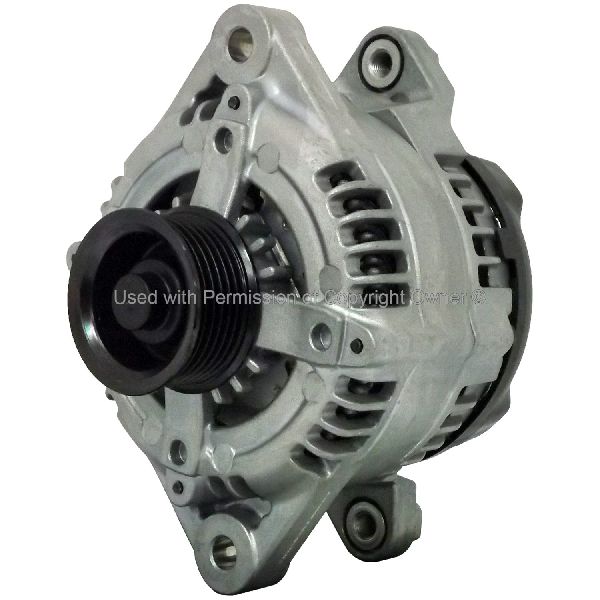
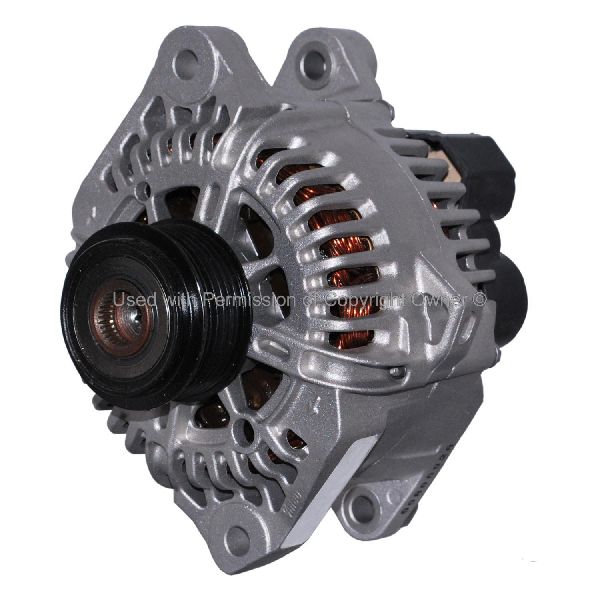
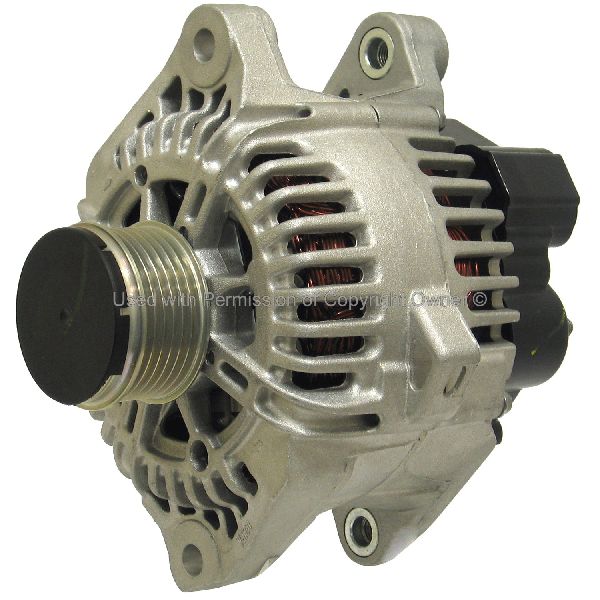
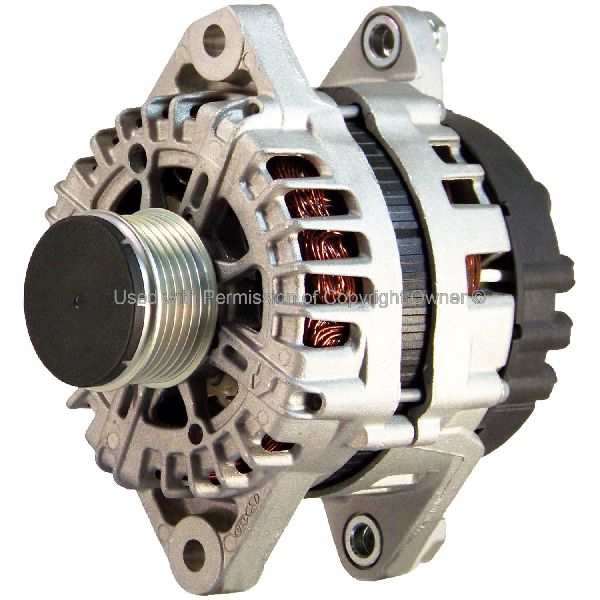
Amperage: 110A or 130A. Pulley: 6-Groove Clutch Pulley. Voltage: 12V. Rotation: Clockwise.
We Have This Part in Stock


The information in this article is provided for general reference and educational purposes only. Vehicle specifications, procedures, and part compatibility can vary by production date, trim level, and region. Always consult your vehicle's factory service manual and verify part numbers before purchasing or performing repairs. Safety-critical components such as airbags, seat belts, and braking systems should be installed by a qualified professional.
- Hyundai Sonata:
- 🎬 Helpful Videos
- 🛍️ Shop This Part
- Is Your Sonata's Alternator Failing?
- Don't Mistake a Bad Battery for a Bad Alternator
- Choosing the Right Aftermarket Alternator
- OEM vs. Aftermarket Quality
- Aftermarket Brand Tiers for Your Sonata
- Check Your Amperage
- Cost of Replacing a Hyundai Sonata Alternator
- Frequently Asked Questions
- 🎟️ Get 5% Off