

Engine Intake Manifold Gasket Set Guide for 2010-2015 Nissan Maxima
Fixing rough idling and vacuum leaks in your Maxima starts with the right intake manifold gaskets.
- Gasket failure on the 2010-2015 Maxima almost always results in a vacuum leak, not a coolant leak.
- The most common symptoms are a hissing noise, rough idle, and Check Engine Light codes P0171/P0174.
- Quality aftermarket brands like Fel-Pro, Beck Arnley, and Victor Reinz are reliable and more affordable than OEM.
- This is a moderately difficult DIY job; be careful with intake plenum bolt lengths during reassembly to avoid cracking the manifold.
Understanding Intake Gasket Failure on Your 2010-2015 Maxima
If you're experiencing a rough idle, hissing sounds from the engine bay, or a Check Engine Light, a failing intake manifold gasket is a likely culprit on your 2010-2015 Nissan Maxima. These gaskets are responsible for sealing the intake manifold, and when they fail, they create a vacuum leak. This leak disrupts the engine's air-fuel mixture, leading to a variety of noticeable symptoms. Unlike some vehicles, the intake manifold on the VQ35DE engine in your Maxima does not typically fail by leaking coolant, but almost always by leaking air.
Top 4 Symptoms of a Bad Intake Manifold Gasket
- Hissing or Whistling Noise: A distinct sucking sound from the engine area at idle is a classic sign of a vacuum leak caused by a bad gasket.
- Rough Idle & Stalling: With the air-fuel ratio thrown off, your engine may idle erratically, vibrate, or even stall when you come to a stop.
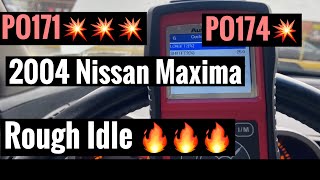
- Check Engine Light: A vacuum leak will often trigger a lean condition, which the engine computer identifies with codes like P0171 or P0174. 🎬 Watch this diagnostic video for P0171 and P0174 lean codes.
- Poor Performance & Fuel Economy: Your Maxima may feel sluggish, hesitate on acceleration, and you'll likely notice you're visiting the gas station more often.
No Recalls, But a Common Problem
Searches of the National Highway Traffic Safety Administration (NHTSA) database show no recalls or technical service bulletins (TSBs) for intake manifold gasket failures on the 2010-2015 Nissan Maxima. However, this remains a common wear-and-tear item for the VQ35DE engine.
Choosing the Right Aftermarket Gasket Set
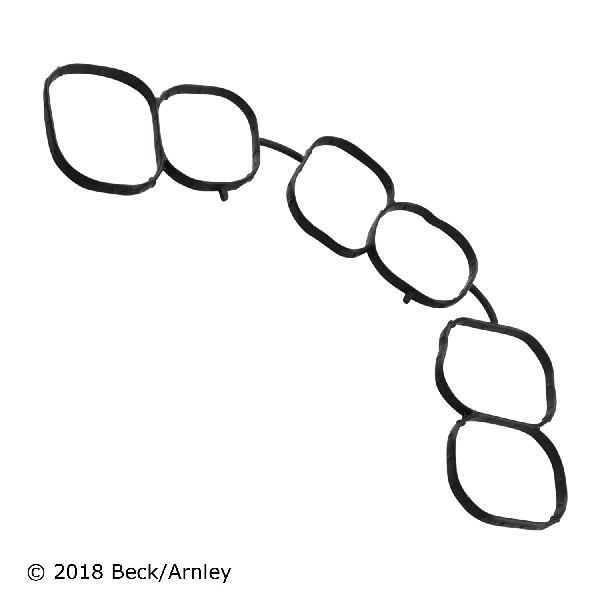
An intake manifold gasket set for your Maxima will include one upper plenum gasket and two lower intake manifold gaskets. The lower gaskets are the most common failure point. When choosing a replacement, you have several quality aftermarket options that offer excellent performance, often at a lower price than OEM parts.
- Premium Aftermarket (Fel-Pro): Fel-Pro is a highly respected brand in the gasket industry. They often engineer their gaskets specifically for the repair environment, with features to help seal surfaces that may not be perfectly flat after years of use. Many professional mechanics and experienced DIYers trust Fel-Pro for its reliability and quality.
- OE-Quality Aftermarket (Beck Arnley, Victor Reinz): Brands like Beck Arnley and Victor Reinz focus on meeting or exceeding original equipment (OE) specifications for form, fit, and function. They are considered reliable, standard replacement options that provide a quality seal for a stock engine.
Installation Pro-Tip
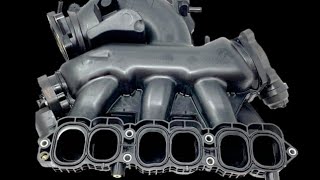
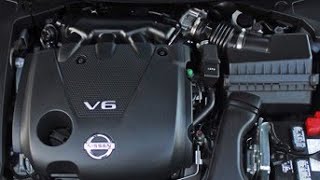
The replacement job requires removing the upper intake plenum. 🎬 See this step-by-step walkthrough for removing the intake manifold. Be extremely careful to track the plenum bolts, as they are different lengths. Using a long bolt in a short hole can crack the lower manifold, turning a simple gasket job into a much more expensive repair. It is also highly recommended to replace the valve cover gaskets at the same time, as the intake manifold must be removed for that job as well.
🎬 Watch: How to replace valve cover gaskets while the intake is off.Cost Comparison for 2010-2015 Nissan Maxima
| Part Type | Estimated Cost |
|---|---|
| OEM Gasket Set | $90 - $140 |
| Aftermarket Gasket Set | $39 - $58 |
| Shop Labor | $287 - $421 |
| Total (Aftermarket Parts + Labor) | $326 - $479 |
Frequently Asked Questions
Can I just replace the one bad gasket?
No. The gaskets are sold as a set, and the labor involved to access them is significant. You should always replace the full set (one upper, two lower) whenever the intake manifold is removed. This ensures a complete and long-lasting repair.
Is this a difficult job to do myself?
For an experienced DIY mechanic, this is a manageable job that takes 2.5-4 hours. It requires removing the upper intake plenum and several other components. However, due to the risk of damaging the manifold with incorrect bolt torque or placement, beginners may want to leave this to a professional.
Do I need any special sealant?
Most modern intake manifold gaskets are designed to be installed dry and do not require any additional RTV sealant. Always follow the specific instructions included with your new gasket set.
What is the difference between an upper and lower intake gasket?
The upper gasket (also called a plenum gasket) seals the two halves of the intake manifold together. The two lower gaskets seal the bottom of the intake manifold assembly to the top of the engine's cylinder heads. The lower gaskets are the ones that most commonly fail and cause vacuum leaks.
Helpful Videos
![How To Replace Valve Cover Gaskets | 2009-2014 Nissan Maxima 3.5L | DY [parts numbers]](https://img.youtube.com/vi/PfgNDuYRSHw/mqdefault.jpg)
Technical Specifications
OEM Part Numbers: 14032-JA10A (Upper/Plenum Gasket) 14035-JA10C (Lower Manifold Gasket, 2 required)
Set includes one upper plenum gasket and two lower manifold-to-head gaskets. Materials are typically rubber molded onto a steel or composite carrier.
We Have This Part in Stock


The information in this article is provided for general reference and educational purposes only. Vehicle specifications, procedures, and part compatibility can vary by production date, trim level, and region. Always consult your vehicle's factory service manual and verify part numbers before purchasing or performing repairs. Safety-critical components such as airbags, seat belts, and braking systems should be installed by a qualified professional.
- Nissan Maxima:
- 🎬 Helpful Videos
- 🛍️ Shop This Part
- Understanding Intake Gasket Failure on Your 2010-2015 Maxima
- Top 4 Symptoms of a Bad Intake Manifold Gasket
- No Recalls, But a Common Problem
- Choosing the Right Aftermarket Gasket Set
- Installation Pro-Tip
- Cost Comparison for 2010-2015 Nissan Maxima
- Frequently Asked Questions
- 🎟️ Get 5% Off