

A Closer Look at Engine Mounts for the 2010-2015 Nissan Maxima
Experiencing vibration or clunking noises? Your Maxima's engine mounts might be the cause.
- Vibration at idle and clunking during acceleration are the most common signs of failure.
- Choose between OEM-style hydraulic mounts (like Beck Arnley) for comfort or solid rubber mounts (like Anchor, DEA) for a lower price with more vibration.
- A 'thunk' noise on the first acceleration of the day may be normal for the front mount per Nissan TSB NTB14-060c.
- The rear engine mount is extremely difficult to replace and is best left to a professional.
Symptoms of a Failing Engine Mount
When an engine mount wears out on your Maxima, the signs are usually noticeable. Ignoring them can lead to more stress on other mounts and drivetrain components.
- Excessive Vibration: This is the most common symptom. You might feel a strong vibration through the steering wheel, floor, or seats, especially when the car is idling in Drive. The vibration often gets worse when the air conditioning is on and may lessen or disappear if you shift into Neutral or Park.
- Impact Noises: A distinct “clunk” or “thud” from the engine bay when you accelerate, put the car in reverse, or decelerate is a clear sign of a bad mount. This noise is the sound of the engine moving too much and hitting other parts.
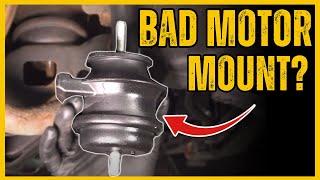
- Engine Movement: A healthy engine should barely move. If you see the engine lurching or tilting significantly when shifting gears (with a helper's assistance 🎬 Watch: How to locate and diagnose a failing engine mount) or notice the engine cover has been rubbing on the underside of the hood, the mounts are likely worn out.
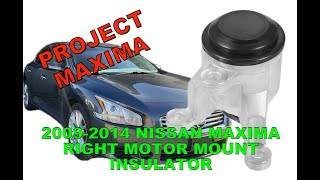
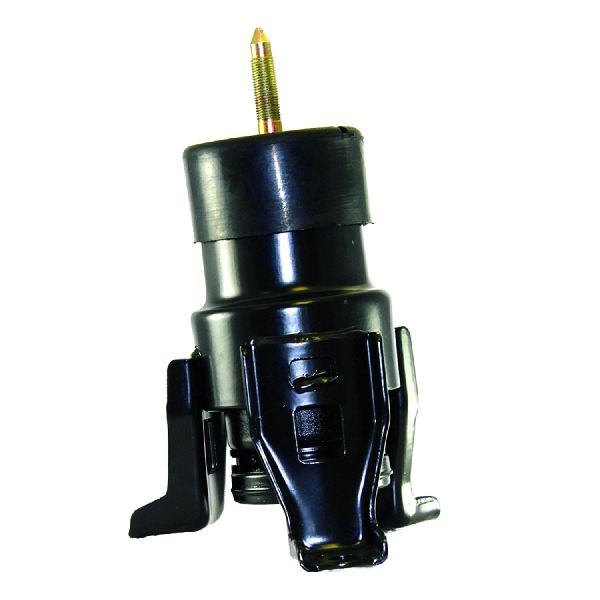
- Leaking Fluid: The main passenger-side mount on the Maxima is hydraulic (fluid-filled). If this mount fails, you may see dark, oily fluid leaking from it onto the frame below.
A Note on Front Mount Noise (TSB NTB14-060c)
Nissan issued a Technical Service Bulletin (TSB) regarding the front engine mount on 2012-2014 models. It states that a single “thunk” noise during the first few accelerations of the day can be a normal characteristic of the two-piece mount design. According to Nissan, if the mount has less than 5mm of vertical free play and only makes this initial noise, it should not be replaced. Be aware of this before diagnosing a faulty front mount based on this specific sound alone.
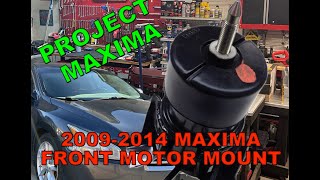
🎬 See this walkthrough for replacing the front engine mountChoosing the Right Aftermarket Engine Mount
When replacing your Maxima's engine mounts, you have a choice between OEM-style hydraulic mounts and more affordable solid rubber mounts. This choice directly impacts ride quality and cost.
Option 1: OEM-Style Hydraulic Mounts (Beck Arnley)
These mounts are designed to replicate the form and function of the original Nissan parts, often using a fluid-filled hydraulic design to absorb the maximum amount of vibration. This is the best choice if you want to restore the original smooth, quiet ride of your Maxima.
- Pros: Excellent vibration damping, restores factory ride quality.
- Cons: Higher cost than solid rubber options.
- Best For: Owners who prioritize comfort and a quiet cabin. Beck Arnley is a well-regarded brand in this category, known for matching OEM specifications.
Option 2: Value-Focused Solid Mounts (Anchor, DEA, MTC, Pioneer)
These brands often provide a more budget-friendly solution by using a solid rubber construction instead of a hydraulic one. While durable, solid rubber is not as effective at absorbing the fine vibrations from the V6 engine.
- Pros: Lower purchase price, can be very durable.
- Cons: Will likely result in a noticeable increase in cabin vibration compared to the original hydraulic mounts.
- Best For: Owners on a tighter budget who can tolerate more engine feedback in the cabin.
Pro Tip: Many owners on forums report that the passenger-side and front mounts are the most common to fail. If one mount has failed, the others are likely worn as well. Replacing mounts as a set is recommended to ensure proper engine alignment and prevent premature failure of the new part.
Cost of Replacing Nissan Maxima Engine Mounts
| Part / Service | Estimated Cost |
|---|---|
| New Aftermarket Engine Mount (Single) | $68.93 - $165.54 |
| New OEM Engine Mount (Single) | $140 - $250 |
| Shop Labor (All Mounts) | $800 - $1600+ |
Cost estimates are approximate and can vary by location and vehicle condition.
Frequently Asked Questions
How many engine mounts does the 2010-2015 Maxima have?
The 7th generation Maxima typically has four main mounts: a front mount (by the radiator), a rear mount (by the firewall), a right-side mount (passenger side, often hydraulic), and a transmission mount.
Why does my car vibrate more after installing a new aftermarket mount?
This is a common issue when replacing an original hydraulic mount with a solid rubber aftermarket one. The solid rubber is stiffer and transmits more engine vibration into the car's frame, which you feel in the cabin. If you want to maintain the original ride quality, choosing an OEM-style hydraulic replacement is essential.
Can I replace just the one broken mount?
While you can, it's generally not recommended. The engine mounts work as a system. A single new, stiff mount paired with old, soft ones can put extra stress on all parts and may even cause the new mount to fail prematurely. For best results, replace them as a set.
Is replacing the engine mounts a DIY job?
For a mechanically inclined person with a good set of tools, replacing the front and passenger-side mounts is a manageable DIY project. However, the rear mount near the firewall is extremely difficult to access. Many mechanics and DIYers report that the subframe must be lowered to replace it, making it a job best left to a professional shop.
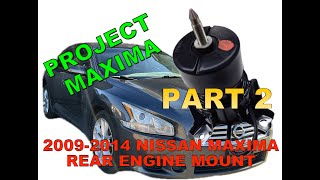
🎬 Watch: Why the rear engine mount is difficult to replaceHelpful Videos
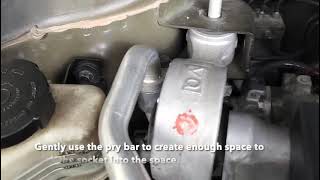
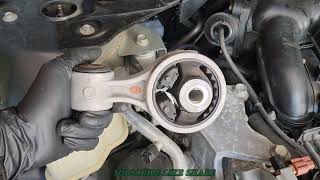
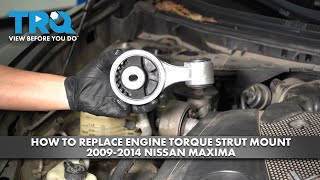
Technical Specifications
OEM Part Numbers: 11210-JA100 11220-JA100 11360-JA100 11350-JP00B
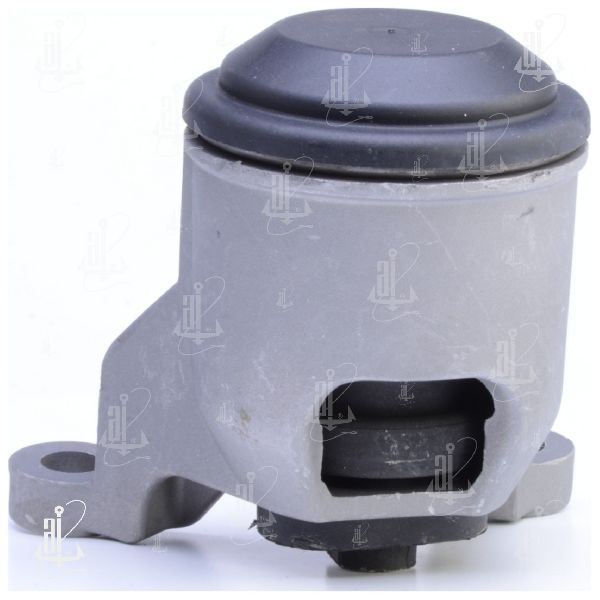
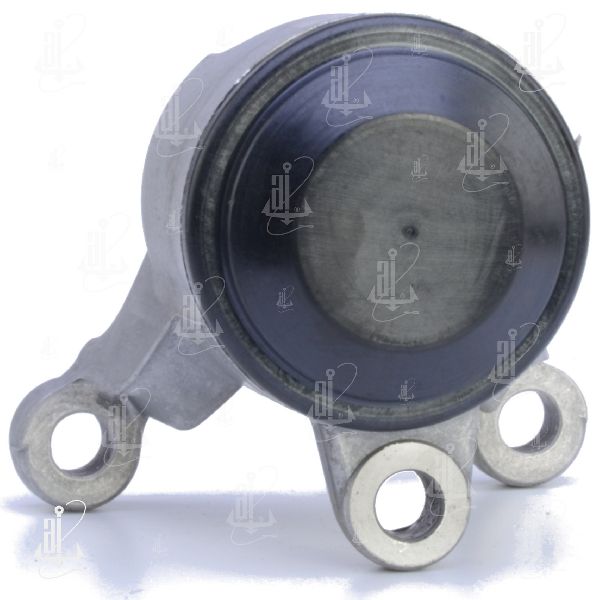
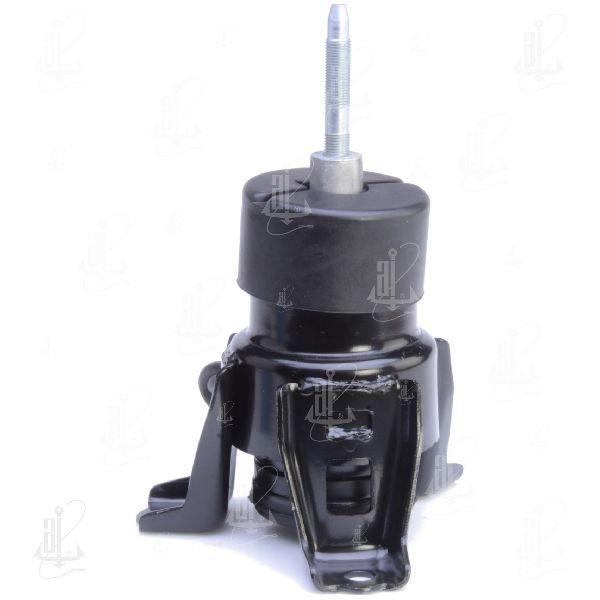
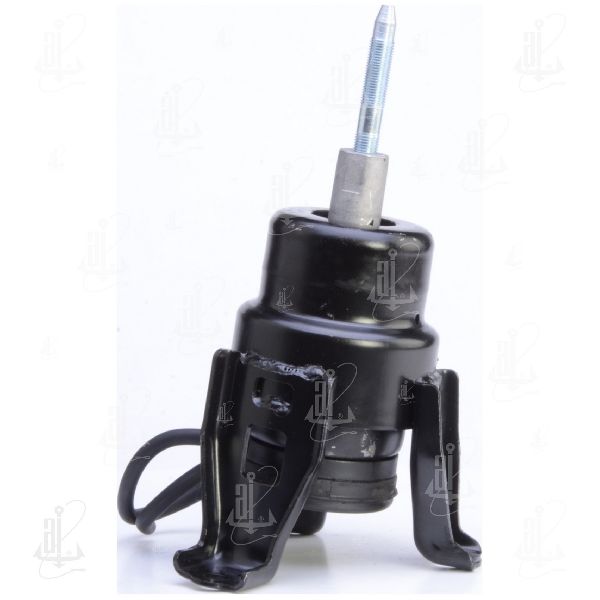
The 2010-2015 Maxima utilizes a system of four mounts, including a key hydraulic, fluid-filled mount on the passenger side to dampen vibrations from the 3.5L V6 engine.
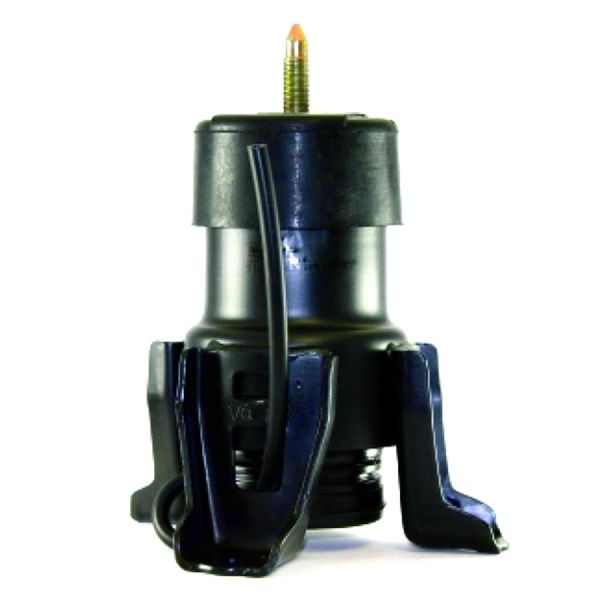
We Have This Part in Stock

The information in this article is provided for general reference and educational purposes only. Vehicle specifications, procedures, and part compatibility can vary by production date, trim level, and region. Always consult your vehicle's factory service manual and verify part numbers before purchasing or performing repairs. Safety-critical components such as airbags, seat belts, and braking systems should be installed by a qualified professional.
- Nissan Maxima:
- 🎬 Helpful Videos
- 🛍️ Shop This Part
- Symptoms of a Failing Engine Mount
- A Note on Front Mount Noise (TSB NTB14-060c)
- Choosing the Right Aftermarket Engine Mount
- Option 1: OEM-Style Hydraulic Mounts (Beck Arnley)
- Option 2: Value-Focused Solid Mounts (Anchor, DEA, MTC, Pioneer)
- Cost of Replacing Nissan Maxima Engine Mounts
- Frequently Asked Questions
- 🎟️ Get 5% Off