

A Comprehensive Guide to the 2010-2015 Nissan Maxima Power Steering Pump
Experiencing whining noises or stiff steering in your Maxima? Here’s what you need to know before replacing your power steering pump.
- A whining noise that changes when you turn the wheel is the most common symptom of a failing power steering pump in a 2010-2015 Maxima.
- Hitachi is the original equipment manufacturer (OEM); choosing this brand for a new aftermarket pump is the most reliable option to avoid noise and premature failure.
- To ensure a lasting repair, always flush the system with approved fluid and consider replacing the reservoir and any leaking hoses along with the pump.
- No recalls exist for the pump, but a Nissan TSB (NTB12-078a) exists to help properly diagnose system leaks.
Is Your Maxima's Power Steering Pump Failing?

A failing power steering pump in the 7th generation Maxima usually gives clear warning signs. Ignoring them can lead to a complete loss of power assist, making the car very difficult to steer. The most common complaint from owners is a distinct whining or groaning noise that gets louder when you turn the steering wheel. 🎬 Listen to what a failing power steering pump sounds like. This noise is often worse in cold weather or right after starting the car.
Common Failure Symptoms:
- Whining or Groaning Noises: A high-pitched whine that changes with engine RPM or when turning the wheel is the number one symptom. This is caused by air in the system or internal pump wear.
- Stiff Steering Wheel: If turning the wheel, especially when parking or moving slowly, requires a lot of effort, the pump is likely not producing enough pressure.
- Fluid Leaks: Red or brown fluid puddles under the front passenger side of your car indicate a leak. Leaks can come from the pump itself, the high-pressure hose, or a faulty pressure switch on the hose.
- Rattling Noises: In some cases, a bad pump can cause a rattling sound from the drive belt area shortly after a cold start.
Known Issues for the 2010-2015 Maxima
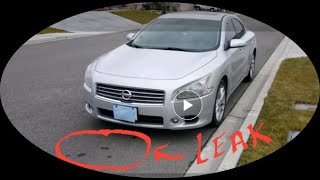
While there are no specific recalls for the power steering pump on this model, Nissan issued a Technical Service Bulletin (TSB NTB12-078a) to help technicians correctly diagnose leaks. Sometimes, a leak may appear to be from the steering rack when it's actually from a hose or the pump. Another common leak point is the power steering pressure switch. 🎬 Watch this guide to help you find a high-pressure hose leak. Leaking fluid can drip onto the lower control arm bushings, causing them to degrade and fail prematurely.
Choosing the Right Aftermarket Pump: Brand Quality Tiers

When shopping for a new aftermarket power steering pump, the brand you choose matters a lot. Owner experiences show a big difference in quality and reliability between brands, especially concerning the common whining noise issue.
Tier 1: OEM Equivalent
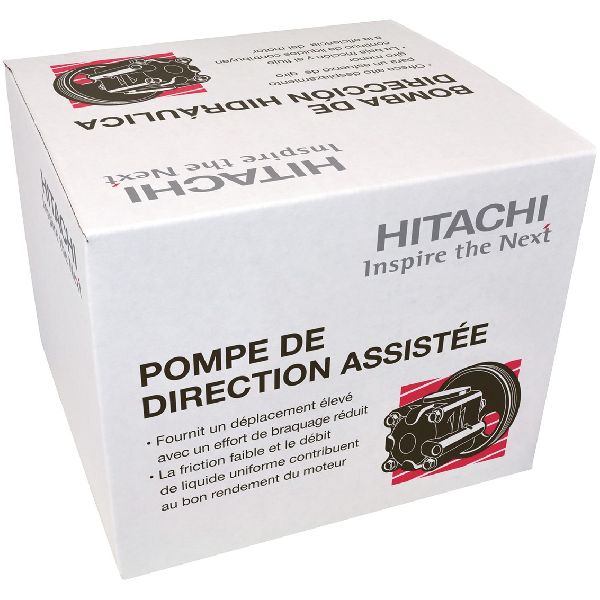
- Hitachi: Hitachi is the Original Equipment Manufacturer (OEM) for Nissan's power steering pumps. Choosing a new Hitachi pump is the safest bet for a quiet, reliable, and long-lasting repair. It is identical to the part you would get from a Nissan dealer, often at a lower price. This is the highly recommended choice to avoid the common issues found with remanufactured parts.
Tier 2: New Aftermarket & Premium Remanufactured
- Cardone (New): Cardone offers new pumps (under their 'Cardone Select' line) in addition to their remanufactured ones. A new unit from a known brand is generally a better option than a remanufactured one, but may not have the same level of precision or quiet operation as Hitachi.
- PWR / Mapco: These brands fall into the general aftermarket category. While they offer a cost-effective solution, there is less vehicle-specific feedback available. Quality can be inconsistent, a common trait for non-OEM suppliers.
Tier 3: Remanufactured (Budget Option)
- Cardone (Remanufactured) & BBB Industries: These are widely available remanufactured pumps. While they are the most affordable, they come with a significant risk. Forum discussions and reviews frequently mention that these pumps can be noisy right out of the box, have a short lifespan, or even be defective upon arrival. Choosing this tier is a gamble; you might get a good one, or you might be doing the job twice.
Cost of Replacing a 2010-2015 Maxima Power Steering Pump

The total cost depends on the parts you choose and local labor rates. Getting a professional repair is recommended due to the tight access and need to properly flush and bleed the system.
| Part/Service | Estimated Cost |
|---|---|
| New OEM (Nissan Dealer) | $500 - $800+ |
| New Aftermarket (Hitachi) | $250 - $400 |
| New Aftermarket (Other) | $150 - $250 |
| Remanufactured Aftermarket | $146 - $200 |
| Shop Labor | $135 - $200 |
| Total Estimated Cost | $280 - $1000+ |
Pro Tip: Replace More Than Just the Pump
To ensure a lasting repair and prevent damage to your new pump, mechanics strongly recommend a few extra steps. Always perform a complete system flush with new, Nissan-approved power steering fluid (or a compatible equivalent like Dexron VI). Consider replacing the power steering reservoir, as its internal filter gets clogged with debris over time and is not serviceable. If your high-pressure hose is old or leaking, replace it at the same time.
Frequently Asked Questions (FAQ)
What kind of power steering fluid should I use in my 2010-2015 Maxima?
Always use fluid that meets Nissan's specifications. This is typically Nissan Genuine PSF or a compatible high-quality synthetic fluid. Some sources indicate that Dexron VI automatic transmission fluid is a suitable alternative, but check your owner's manual or the reservoir cap to be certain. Using the wrong fluid can cause noise, damage seals, and lead to premature pump failure.
Do I have to bleed the power steering system after replacing the pump?
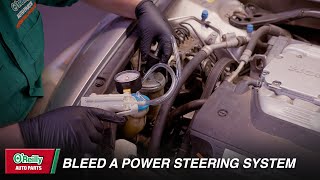
Yes, this is a critical step. Air trapped in the system will cause whining noises and can damage the new pump. To bleed the system, fill the reservoir, and with the engine off, slowly turn the steering wheel from lock to lock several times. Check the fluid level and top off as needed. Then, start the engine and repeat the lock-to-lock turning process until the noise disappears and the fluid level remains stable.
Can I replace the power steering pump myself?
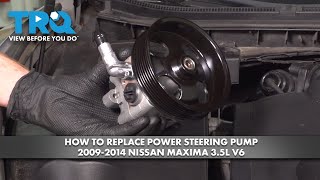
This is a moderately difficult job for a DIY mechanic. Access to the pump is tight, located on the passenger side of the engine. It requires removing the wheel and splash guards, releasing belt tension, and working in a confined space. 🎬 See this step-by-step walkthrough for replacing the pump yourself. If you don't have the right tools or experience, professional installation is recommended.
My new aftermarket pump is whining. Is it defective?
It could be. First, ensure the system was properly bled and there are no air bubbles in the reservoir. If the noise persists, it is a known issue with lower-quality remanufactured pumps. This is why choosing a high-quality new pump like Hitachi is often worth the extra cost to avoid doing the job again.
Helpful Videos
Technical Specifications
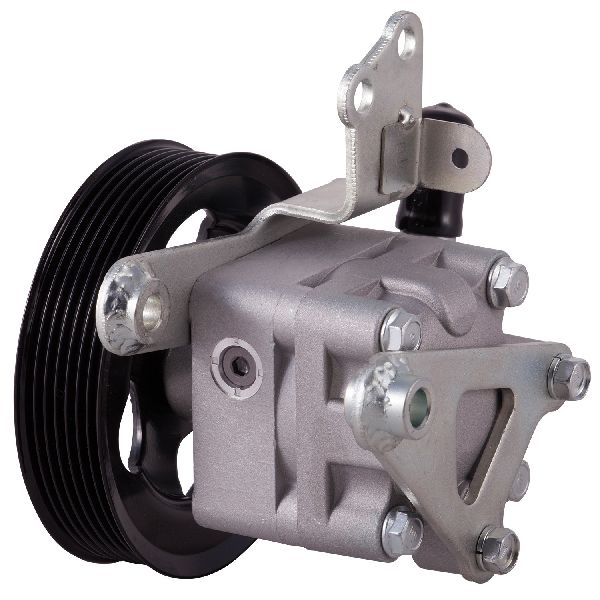
OEM Part Numbers: 49110-ZX70A 491109N00A
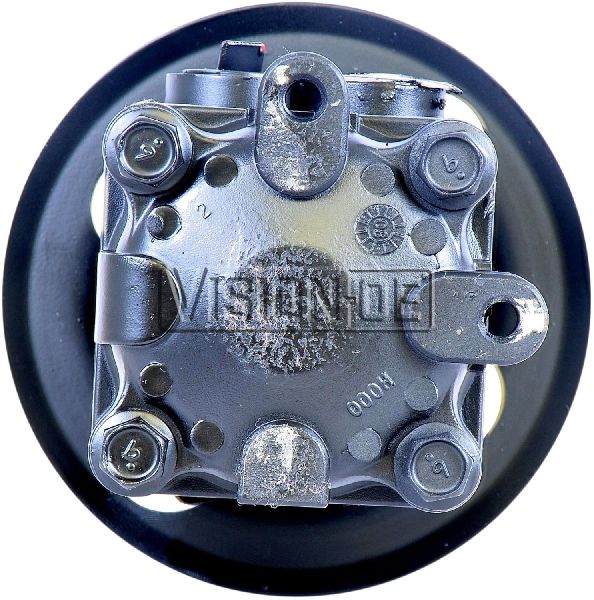
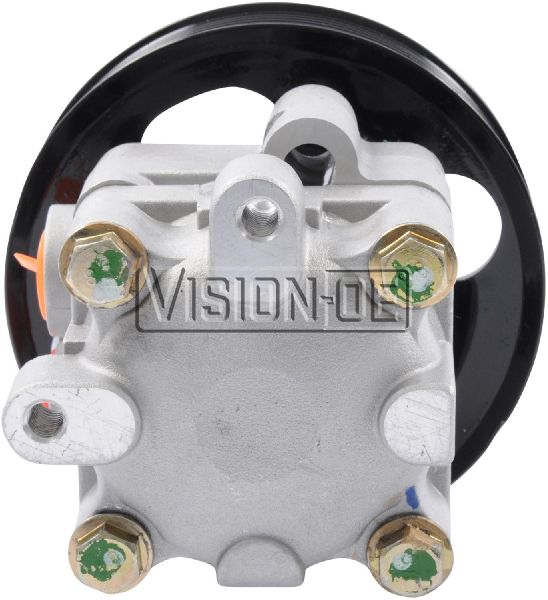
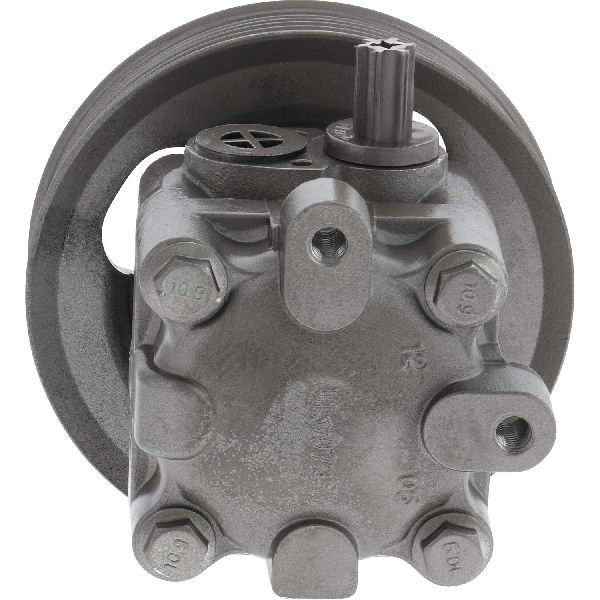
Engine-driven hydraulic pump, belt-driven via serpentine belt. Requires Nissan Genuine Power Steering Fluid or compatible equivalent (e.g., Dexron VI).
We Have This Part in Stock


The information in this article is provided for general reference and educational purposes only. Vehicle specifications, procedures, and part compatibility can vary by production date, trim level, and region. Always consult your vehicle's factory service manual and verify part numbers before purchasing or performing repairs. Safety-critical components such as airbags, seat belts, and braking systems should be installed by a qualified professional.
- Nissan Maxima:
- 🎬 Helpful Videos
- 🛍️ Shop This Part
- Is Your Maxima's Power Steering Pump Failing?
- Common Failure Symptoms:
- Known Issues for the 2010-2015 Maxima
- Choosing the Right Aftermarket Pump: Brand Quality Tiers
- Tier 1: OEM Equivalent
- Tier 2: New Aftermarket & Premium Remanufactured
- Tier 3: Remanufactured (Budget Option)
- Cost of Replacing a 2010-2015 Maxima Power Steering Pump
- Pro Tip: Replace More Than Just the Pump
- Frequently Asked Questions (FAQ)
- 🎟️ Get 5% Off