

Choosing the Right Disc Brake Pads for Your 2010-2015 Subaru Outback
Stop the guesswork and find the perfect brake pads for your Outback's needs and budget.
- Listen for a high-pitched squeal as the first sign of wear; a grinding noise means the situation is critical.
- For most Outback owners, quality ceramic pads from brands like Akebono or Bosch offer the best balance of quiet operation, low dust, and reliable stopping power.
- Subaru issued a TSB (#06-51-15R) for brake squeal; using new, high-quality hardware and shims during replacement is crucial to prevent noise.
- Replacing brake pads is a feasible DIY project for this vehicle, but if you are unsure, always have a professional perform the work.
Signs of Worn Brake Pads
Your Outback will give you clues when its brake pads are getting low. The most common sign is a high-pitched squealing noise when you brake, which comes from a small metal tab called a wear indicator. As the pads wear down, this tab contacts the rotor and makes noise to alert you. If you hear a deep, grinding noise, it's a more serious sign that the pads are completely worn out, and metal is grinding against metal. This can damage your brake rotors, leading to a more expensive repair. Other symptoms include a pulsating or vibrating brake pedal, longer stopping distances, or a brake warning light on your dashboard.
Grinding is a Critical Warning
If you hear a grinding sound, stop driving as soon as it is safe to do so. This indicates the brake pads are gone, and you are likely causing expensive damage to the brake rotors and calipers. Continuing to drive is unsafe.
Choosing the Right Aftermarket Brake Pads
The debate between OEM (Original Equipment Manufacturer) and aftermarket pads is common. While OEM pads are designed specifically for your vehicle, many high-quality aftermarket brands offer comparable or even superior performance, often at a better price. The key is to choose a reputable brand and the right type of pad for your driving style.
Brake Pad Materials: Ceramic vs. Semi-Metallic
For your 2010-2015 Outback, you'll primarily choose between two types of brake pads:
- Ceramic Pads: These are a popular choice for daily driving. They are known for being quiet, producing less dust (which keeps your wheels cleaner), and offering a smooth, consistent pedal feel. Brands like Akebono, Bosch, and some Powerstop lines are well-regarded in this category.
- Semi-Metallic Pads: These pads contain metal fibers that help dissipate heat and provide strong braking performance. They can be a bit noisier and produce more dust than ceramics but often offer better initial "bite" and performance in a wider range of temperatures. They are a good choice for those who tow or live in hilly areas.
A Note on Akebono
Akebono is often the original equipment manufacturer for Subaru brake pads. Choosing their aftermarket ProACT line can give you performance very similar to the original factory pads.
Brand Tiers for Your Outback
With so many brands available, it helps to think of them in tiers based on quality and intended use.
- Premium / OE-Quality (Excellent for Most Drivers): Brands like Akebono, Bosch, Raybestos (Element3), and Brembo are top-tier choices. They offer excellent performance, low noise, and durability that meets or exceeds factory specifications. Akebono is often the actual OE supplier, making them a safe bet for factory-like feel and quality.
- Performance / Heavy-Duty (For Towing & Spirited Driving): Brands like Hawk Performance, EBC Brakes, and Powerstop (Z23, Z26 series) are geared towards higher performance. They offer increased stopping power and fade resistance, which is ideal for mountain driving or towing. Be aware that some performance pads can create more dust and noise than daily-driver pads.
- Daily Driver / Value (Good Quality for the Price): This category includes brands like Centric, Dynamic Friction, and Wagner. They provide reliable, safe stopping power for normal commuting and are a significant step up from budget or economy pads. Many owners find these brands offer the best balance of price and performance. 🎬 Check out this review of the top brake pad brands.
- Economy (Budget-Focused): While affordable, the lowest-priced options may not offer the same longevity, quiet operation, or consistent performance as higher-tier brands. Some users report issues with noise or excessive dust with cheaper, unknown brands. It's generally recommended to choose at least a Daily Driver tier brand for a vehicle like the Outback.
Known Issues and Service Bulletins
For the 2010-2014 Subaru Outback, Subaru issued a Technical Service Bulletin (TSB) #06-51-15R to address customer complaints of brake squeal. This involved a new front disc brake pad kit with a revised shim design. When replacing your pads, ensure the new set comes with high-quality, multi-layer shims and that the caliper hardware is cleaned or replaced to prevent noise issues. Another TSB, #06-53-16, addresses a rattling sound from the front caliper support on models with 16-inch front brakes, which may require replacing the caliper support itself.
| Item | Cost Range |
|---|---|
| New Aftermarket Pads (DIY) | $24 - $310 |
| New OEM Pads (DIY) | $100 - $200 |
| Shop Labor | $80 - $120 |
| Total Professional Replacement (Aftermarket) | $150 - $390 |
Frequently Asked Questions
Do I need to replace my rotors with my brake pads?
Not always, but it's highly recommended. If your rotors are warped (causing vibration), have significant grooves, or are worn below the minimum thickness stamped on the rotor hub, they must be replaced. Installing new pads on old, worn rotors can lead to noise, poor performance, and reduced pad life. For best results, replace pads and rotors at the same time.
What is a brake pad break-in or bedding-in procedure?
This is a critical step to ensure your new pads and rotors work together properly. It involves a series of controlled stops to transfer a thin, even layer of friction material from the pad to the rotor. This prevents vibration and maximizes stopping power. Always follow the specific procedure recommended by the brake pad manufacturer.
Can I replace just the front or rear brake pads?
Yes. Brake pads are replaced in pairs on an axle (both front wheels or both rear wheels). The front brakes on an Outback typically do more of the braking work and tend to wear out faster than the rears. You only need to replace the axle that is worn.
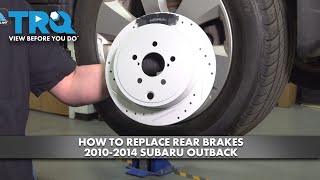
🎬 Learn how to replace the rear brakes on your Outback.Is replacing brake pads a good DIY project?
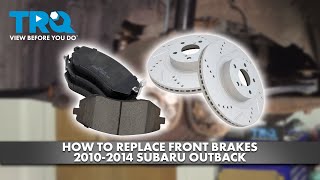
For a mechanically inclined person with the right tools, a brake pad replacement is a very manageable DIY job. It involves lifting the vehicle, removing the wheel, unbolting the caliper, and swapping the pads 🎬 Watch this step-by-step guide to replacing your front brake pads. and hardware. There are many online video tutorials for this specific generation of Outback. However, brakes are a critical safety system. If you are not 100% confident, have a professional mechanic do the work.
Helpful Videos
Technical Specifications
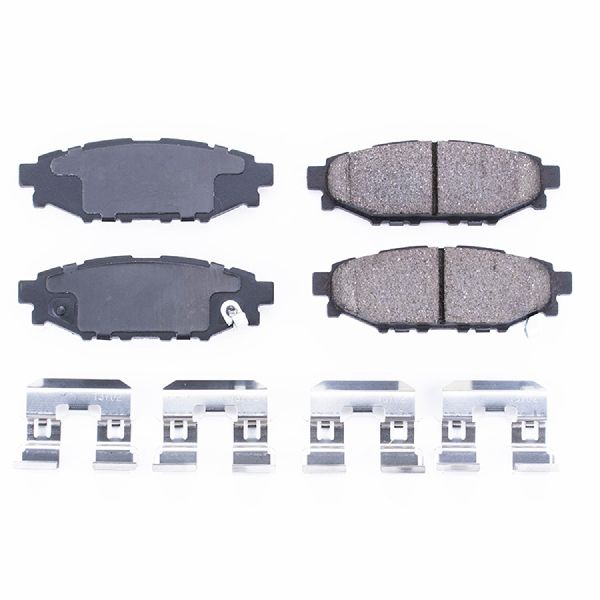
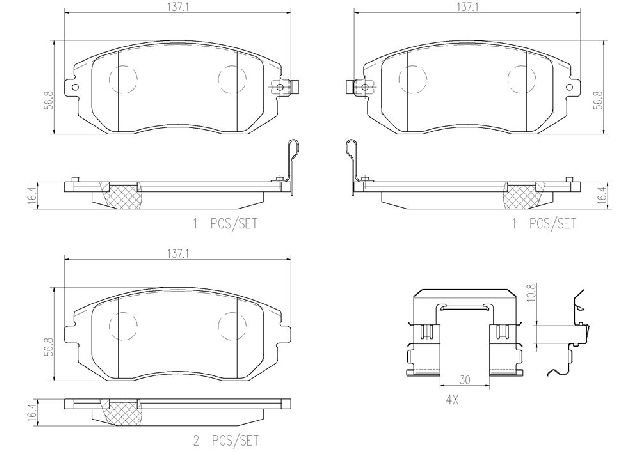
Brake pad material is the most important specification. For the 2010-2015 Outback, the primary choices are Ceramic and Semi-Metallic. The choice depends on driving style, with ceramic being quieter and cleaner for daily driving, and semi-metallic offering robust performance for heavier use.
We Have This Part in Stock
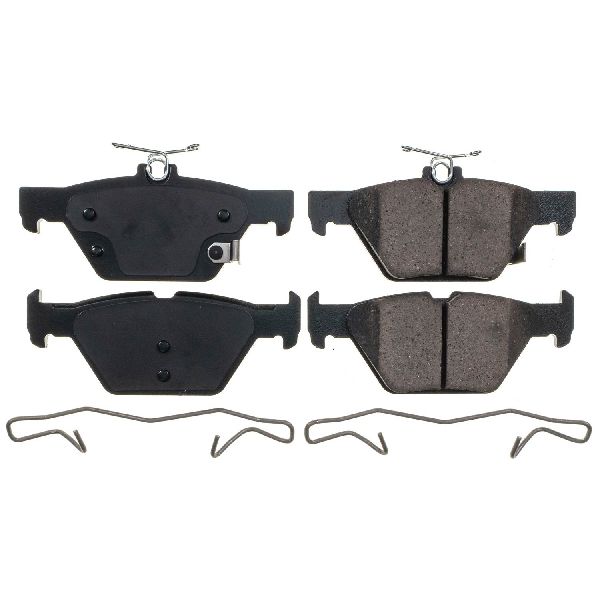
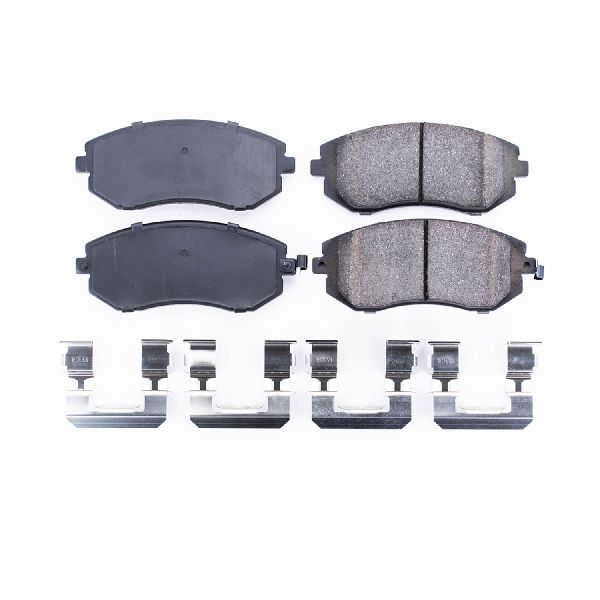
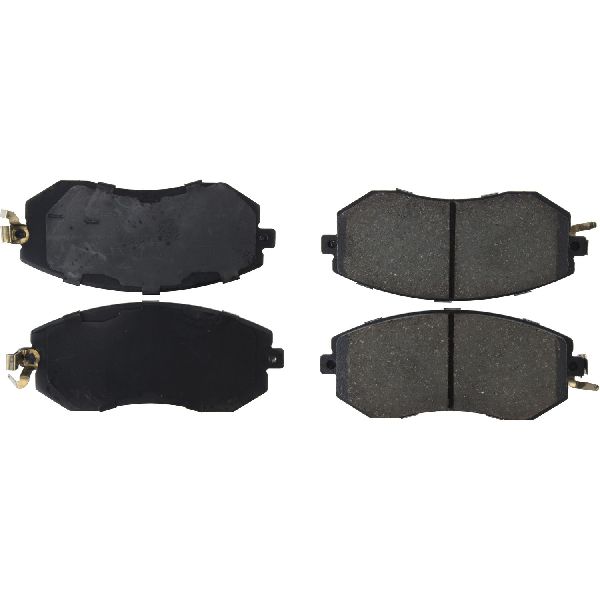
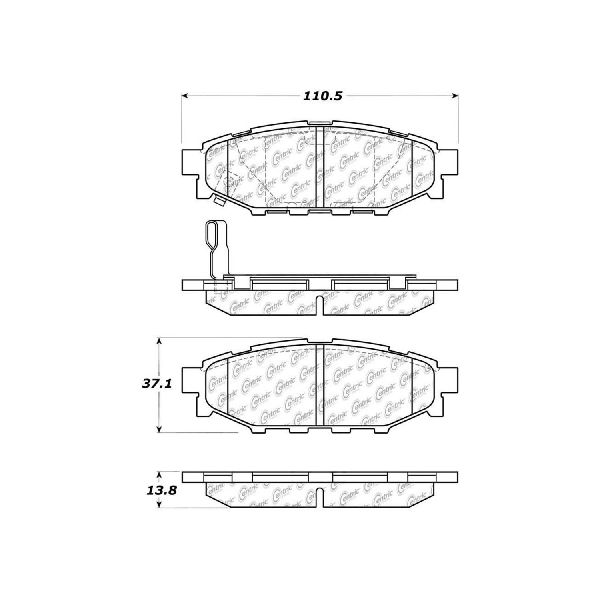

The information in this article is provided for general reference and educational purposes only. Vehicle specifications, procedures, and part compatibility can vary by production date, trim level, and region. Always consult your vehicle's factory service manual and verify part numbers before purchasing or performing repairs. Safety-critical components such as airbags, seat belts, and braking systems should be installed by a qualified professional.
- Subaru Outback:
- 🎬 Helpful Videos
- 🛍️ Shop This Part
- Signs of Worn Brake Pads
- Grinding is a Critical Warning
- Choosing the Right Aftermarket Brake Pads
- Brake Pad Materials: Ceramic vs. Semi-Metallic
- A Note on Akebono
- Brand Tiers for Your Outback
- Known Issues and Service Bulletins
- Frequently Asked Questions
- 🎟️ Get 5% Off