

A Guide to Replacing Engine Mounts on the 2010-2015 Volkswagen Golf
Stop the excessive vibration and clunking noises in your MK6 Golf by understanding and choosing the right engine mounts.
- Inspect the lower 'dogbone' mount first; it's a common failure point on the MK6 Golf and the easiest to replace.
- For a smooth, factory-like ride, choose OEM-quality aftermarket brands such as Corteco or Febi.
- Budget brands like Anchor may solve the clunking but often introduce more vibration and have a shorter lifespan.
- Always replace the one-time-use stretch bolts with new ones to ensure a safe and secure installation.
Is Your Golf Shaking or Making Clunking Noises? It Could Be the Engine Mounts.


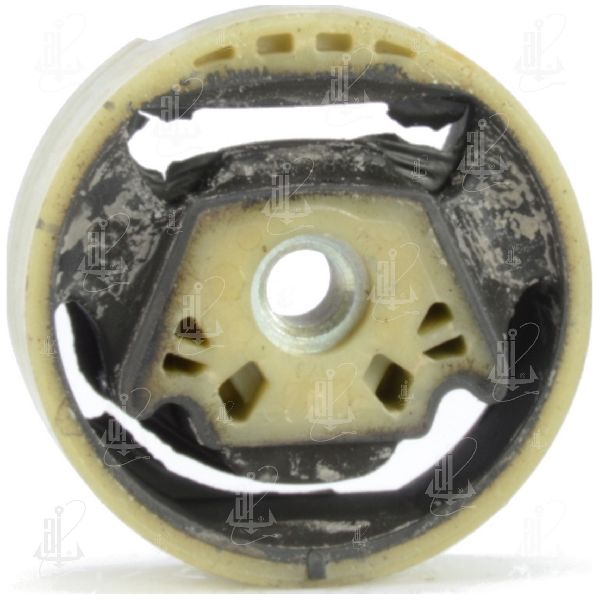
If you've noticed a new vibration in the steering wheel at idle, or hear a 'clunk' when you accelerate, you may have a failing engine mount. These parts are made of rubber and metal and wear out over time from heat and stress. The rubber cracks or collapses, allowing the engine to move excessively, which causes noise and vibration. This is a common issue as these cars age, but it's fixable.
Symptoms of a Bad Engine Mount on a VW Golf
- Excessive Vibration: A strong vibration felt in the cabin, floor, or steering wheel, especially when the car is stopped in 'Drive' or just starting to move.
- Impact Noises: A 'clunk' or 'thump' from the engine bay when you accelerate, brake, or shift gears. This is the sound of the engine moving too much and hitting other parts.
- Rough Shifting: The car may feel like it jerks or has a lot of 'slop' in the drivetrain when shifting.
- Visible Engine Movement: If you have a friend safely watch the engine while the car is in gear with the brake held firmly, you may see the engine rock excessively as you briefly apply throttle. 🎬 Watch: See real-world examples of bad engine mount symptoms.
Check the Dogbone Mount First
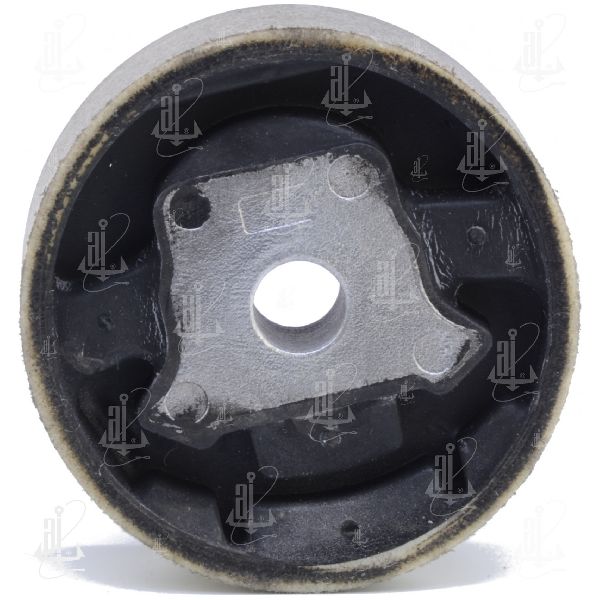
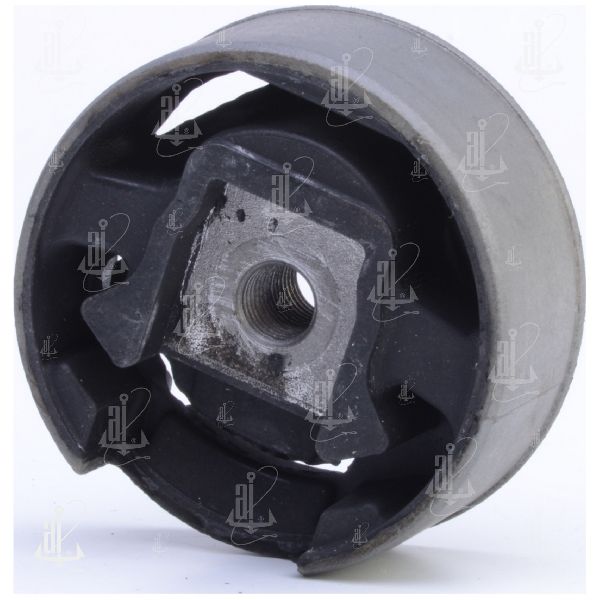
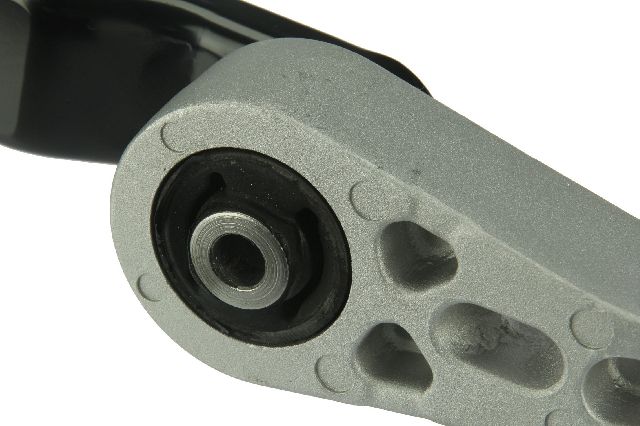
The lower engine mount, known as the 'dogbone' or 'pendulum' mount, is the most common mount to fail on the MK6 Golf. It takes the most abuse, controlling the engine's twisting force. If you have drivetrain slop or clunking, inspect this mount first as it's also the easiest to access and replace.
Choosing the Right Aftermarket Engine Mount

Not all aftermarket mounts are created equal. They generally fall into three categories, each offering a different balance of comfort, longevity, and price.
Tier 1: OEM-Quality Brands
These brands are often original equipment suppliers to German automakers and focus on providing the same ride quality and vibration absorption as the factory parts. For a daily-driven Golf, this is the best choice for a smooth, quiet ride that will last.
- Corteco: A global supplier for European automakers, known for high-quality rubber-to-metal bonding that controls vibration effectively.
- Febi: Febi Bilstein is a well-regarded German brand that produces high-quality aftermarket parts that often meet or exceed OEM specifications.
- Vaico: Another brand known for producing quality parts for European vehicles, offering a reliable alternative to dealer parts.
Tier 2: Economy Brands
These brands offer a low-cost solution to fix a broken mount. However, reviews often indicate they use harder rubber and may not fit as perfectly as higher-quality options. This can result in more cabin vibration than you had with the original part and a shorter service life.
- Anchor: A long-standing aftermarket brand offering budget-friendly mounts, but reviews frequently mention issues with hard rubber and increased vibration.
- DEA / Westar: These are affordable options for basic repairs, but like other economy brands, they may compromise on ride comfort and longevity.
Tier 3: Performance & Budget-Risk Brands
This group includes parts that change the car's feel or carry a higher risk of poor quality.
- Whiteline: This brand specializes in polyurethane performance bushings. A Whiteline mount will dramatically reduce engine movement for better throttle response, but it will also significantly increase Noise, Vibration, and Harshness (NVH) in the cabin. This is for enthusiasts who prioritize performance over comfort.
- URO Parts: While some URO products are acceptable, the brand has a widespread negative reputation in online communities for engine mounts. Many users report premature failures and poor quality control. Given the labor involved in a replacement, using this brand is a risk.
Always Replace Stretch Bolts
Volkswagen uses one-time-use 'stretch' bolts on the engine mounts. These bolts are designed to stretch when torqued to specification. They cannot be safely reused. Always install new bolts when replacing your engine mounts to ensure they stay tight and secure.
Cost to Replace VW Golf Engine Mounts

| Part Type | Estimated Cost |
|---|---|
| New Aftermarket Engine Mount | $22 - $157 |
| Shop Labor (per mount) | $120 - $250 |
| New OEM Engine Mount | $150 - $300+ |
Frequently Asked Questions
How many engine mounts does my 2010-2015 Golf have?
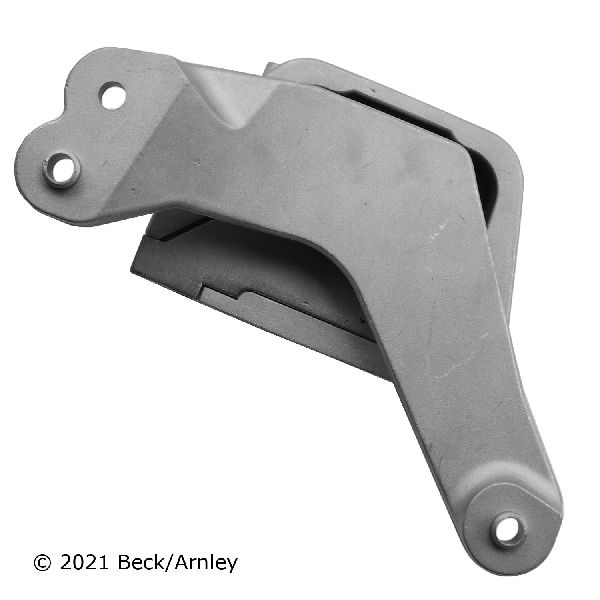
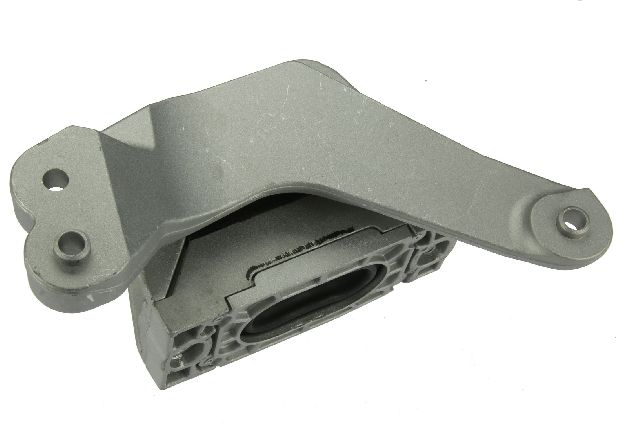
Your Golf has three mounts: an engine mount (passenger side), a transmission mount (driver side), and a lower torque strut or 'dogbone' mount.
Can I replace just one bad mount?
Yes, you can replace only the failed mount. However, if one mount has failed due to age and mileage, the others are likely worn as well. Replacing them at the same time can save you from future repairs.
Will a new aftermarket mount make my car vibrate more?
It depends on the brand. An OEM-quality brand like Corteco or Febi should restore the original smooth feel. A budget brand or a performance polyurethane mount will likely increase cabin vibration.
Is replacing an engine mount a DIY job?
The lower dogbone mount is a relatively simple DIY job for someone with basic tools. The upper engine and transmission mounts are more complex as they require supporting the engine's weight with a jack and wood block. If you are not comfortable with that procedure, it is best left to a professional.
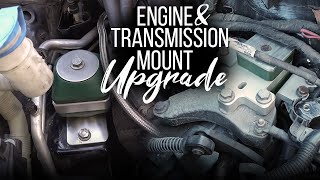
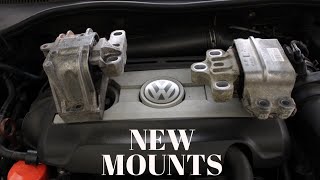
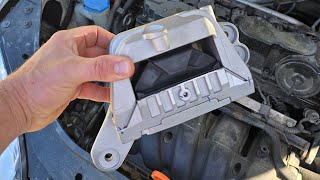
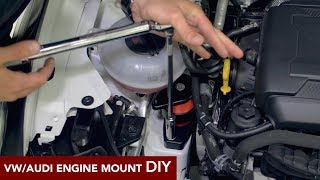
🎬 Watch: Step-by-step guide for replacing the passenger side mount.Helpful Videos

Technical Specifications
The 2010-2015 VW Golf uses a three-point mounting system: one engine mount, one transmission mount, and one lower pendulum/dogbone mount. The upper mounts are typically hydraulic or rubber-filled for vibration damping. The lower mount controls rotational torque.
We Have This Part in Stock

The information in this article is provided for general reference and educational purposes only. Vehicle specifications, procedures, and part compatibility can vary by production date, trim level, and region. Always consult your vehicle's factory service manual and verify part numbers before purchasing or performing repairs. Safety-critical components such as airbags, seat belts, and braking systems should be installed by a qualified professional.
- Volkswagen Golf:
- 🎬 Helpful Videos
- 🛍️ Shop This Part
- Is Your Golf Shaking or Making Clunking Noises? It Could Be the Engine Mounts.
- Symptoms of a Bad Engine Mount on a VW Golf
- Check the Dogbone Mount First
- Choosing the Right Aftermarket Engine Mount
- Tier 1: OEM-Quality Brands
- Tier 2: Economy Brands
- Tier 3: Performance & Budget-Risk Brands
- Always Replace Stretch Bolts
- Cost to Replace VW Golf Engine Mounts
- Frequently Asked Questions
- 🎟️ Get 5% Off