

Engine Water Pump Guide for the 2010-2015 Volkswagen Jetta
Everything a Jetta owner needs to know when their water pump fails and it's time to choose a new one.
- Identify your specific engine (2.5L, TDI, or 1.8T/2.0T) before shopping, as the parts are very different.
- The water pump/thermostat assembly on 1.8T/2.0T engines is a known common failure point for leaks.
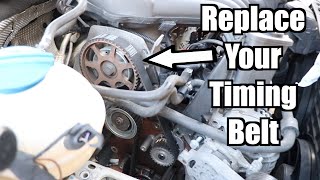
- For TDI engines, always replace the water pump with the timing belt, and vice-versa.
- Choosing a quality brand like INA, Hepu, or Graf is recommended for longevity, especially on the complex TSI pumps.
Understanding Your Jetta's Water Pump: Engine Differences Matter


The 2010-2015 Volkswagen Jetta came with several different engines, and the water pump design varies significantly between them. It's critical to know which engine you have before buying parts.
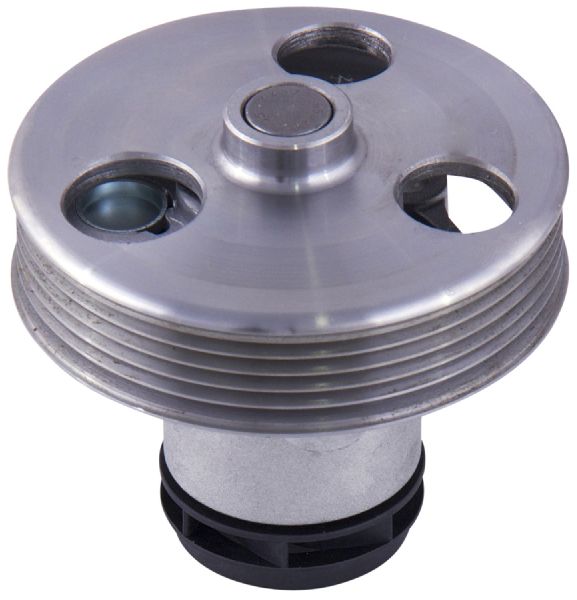
- 2.5L 5-Cylinder: This engine uses a more traditional, externally mounted water pump that is driven by the serpentine belt. Replacement is relatively straightforward.
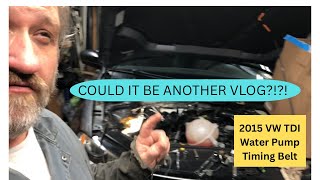
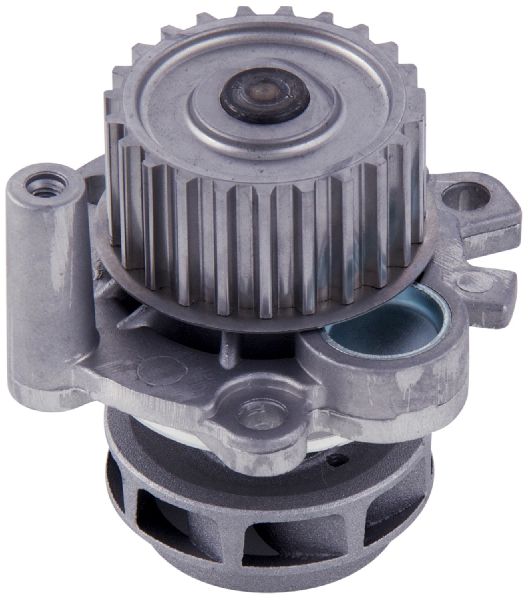
- 2.0L TDI (Diesel): The water pump on the TDI engine is driven by the timing belt. Because of this, it is highly recommended to replace the water pump whenever you replace the timing belt, and vice-versa. Leaks are 🎬 Watch: A walkthrough of the TDI timing belt and pump replacement. a common failure point on these pumps.
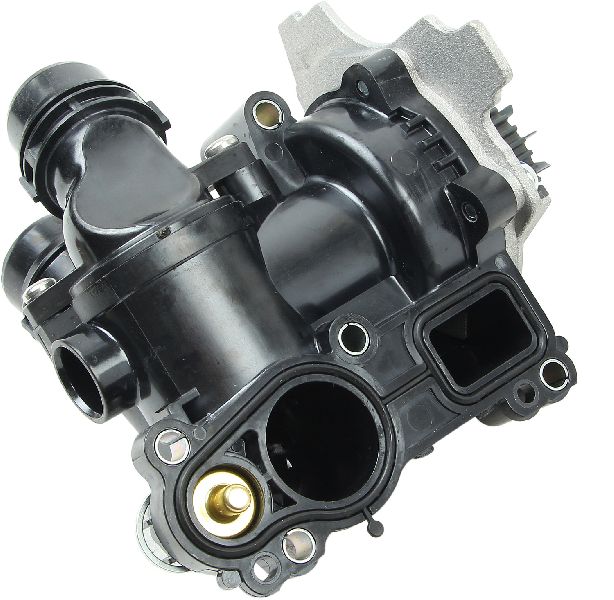
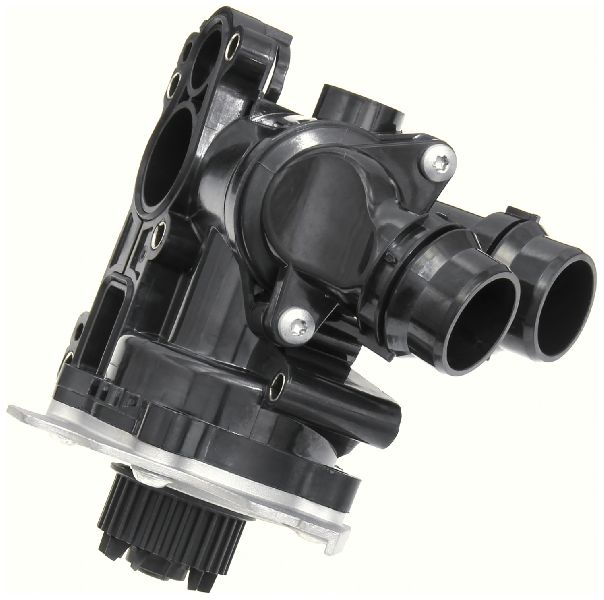
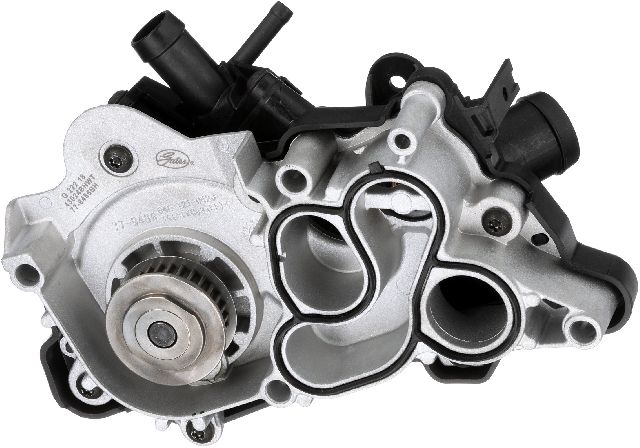
- 1.8T & 2.0T (TSI/TFSI) Gas Engines: These turbocharged engines feature a complex, integrated water pump and thermostat assembly made of thermoplastic (plastic). These units are a very common failure point, known for leaking coolant. A class-action lawsuit was even filed over their high failure rate. When replacing this part, you are typically replacing the entire housing assembly.
Choosing the Right Aftermarket Water Pump

When your original water pump fails, you have to decide between another factory (OEM) part or an aftermarket one. Aftermarket parts can offer the same quality for less money. Here’s a breakdown of brand quality based on owner feedback and mechanic consensus.
Tier 1: OEM Supplier Quality
These brands are known to manufacture parts for Volkswagen or have a reputation for equivalent quality. They are a top choice for reliability.
- INA: Often considered the original equipment manufacturer for the complex TSI water pump assemblies. A trusted choice for all Jetta engines.
- Hepu & Graf: Both are well-regarded German and Italian brands, respectively. They are known for quality construction and are a popular choice among VW enthusiasts. Some mechanics note Hepu may have slightly better machining.
- Saleri: A solid OEM supplier with a good reputation.
Tier 2: Reliable Aftermarket Brands
These brands are well-known in the aftermarket and generally offer a good balance of quality and price. They are a dependable choice for most repairs.
- Gates: Famous for belts, Gates also offers complete timing belt and water pump kits. While the belts are top-notch, the water pumps included in kits can sometimes be sourced from various manufacturers, so quality can be inconsistent.
- Dayco: A long-standing company known for quality cooling system components that meet OE performance standards.
- GMB: A brand with consistently strong reviews, known for its blend of quality, price, and broad coverage.
- Beck Arnley: A reputable aftermarket supplier that sources parts from various manufacturers, often providing quality components.
Tier 3: Budget & Mixed Reputation
These brands are typically more affordable, but owner experiences can be mixed. They might be suitable for a budget-conscious repair, but may not have the longevity of higher-tier brands.
- URO Parts: This brand has a spotty reputation. While some simple metal parts may be fine, many owners and mechanics avoid using them for critical components like water pumps due to reported issues with quality and premature failure.
- DNJ Engine Components, DJ Rock, Skyward, US Motor Works: These brands fall into the budget category. While they offer a low-cost alternative, there is less information available on their long-term reliability for VW applications.
A Note on Plastic vs. Metal Impellers
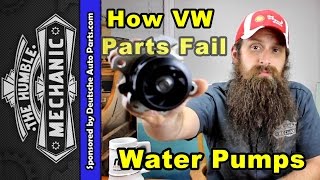
Original VW water pumps often use a plastic (composite) impeller. A common failure is this impeller breaking or separating from the shaft, 🎬 See a detailed breakdown of how these VW pumps fail. which stops coolant from circulating. Many aftermarket pumps offer a metal impeller as an upgrade. While this prevents the impeller from breaking, some mechanics believe the added weight can cause premature wear on the pump's bearing and seal, leading to leaks. The quality of the bearing and seal is more important than the impeller material.
Cost to Replace a Jetta Water Pump

| Part Type | Estimated Cost |
|---|---|
| New Aftermarket Part | $40 - $512 |
| Shop Labor | $350 - $900 |
Note: Costs are estimates. Labor costs vary significantly based on your engine type (TSI engines are more expensive) and local shop rates.
Frequently Asked Questions
Should I replace my thermostat at the same time?
Yes, absolutely. It is highly recommended to replace the thermostat whenever you replace the water pump. On the 1.8T and 2.0T engines, the thermostat is part of the water pump assembly, so it gets replaced automatically. For other engines, the thermostat is a low-cost part and replacing it at the same time saves you from having to do a similar job twice.
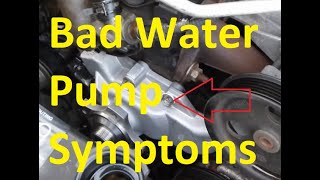
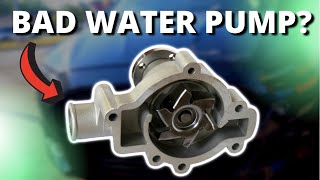
🎬 Watch: How to diagnose a failing water pump on your car.Was there a recall on the water pump for my Jetta?
There was no specific safety recall for the water pump on most 2010-2015 Jettas. However, due to high failure rates, Volkswagen did create a warranty extension for the water pump on certain models, primarily those with the 1.8T and 2.0T engines, for up to 8 years or 80,000 miles. Many vehicles in this year range are now past that coverage period. There was a recall in 2024 for a fuel tank suction jet pump on some 2019-2020 models, but this is unrelated to the engine water pump.
How do I know which engine my Jetta has?
You can find your engine information on the sticker in your driver's side door jamb or in your owner's manual. The 1.8T and 2.0T engines will often be designated as 'TSI' or 'TFSI'. The 2.5L is a five-cylinder engine, and the TDI is the turbo-diesel model. This is the most important information you need before ordering a water pump.
Is this a DIY job?
For the 2.5L engine, a skilled DIY mechanic can often perform the replacement. For the TDI and especially the 1.8T/2.0T engines, the job is much more complex. The TDI pump is linked to the timing belt, which requires precise timing procedures to avoid engine damage. The TSI pump is difficult to access and requires careful cleaning of the engine surface to prevent new leaks. For most owners, professional installation is recommended for TDI and TSI engines.
Helpful Videos
Technical Specifications
OEM Part Numbers: 06L121111H 06K121011 06L121012H 06H121026DD 03L121011P
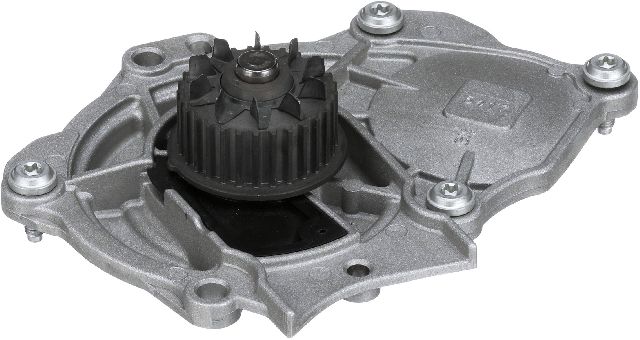
The 2010-2015 Jetta uses different water pump designs based on the engine. The 2.5L uses a belt-driven external pump. The 2.0L TDI uses a timing-belt-driven pump. The 1.8T & 2.0T TSI engines use an integrated thermoplastic water pump and thermostat housing module. Always use the correct VW-specified coolant (G12, G13, or newer equivalent) to prevent corrosion and premature failure.
We Have This Part in Stock

The information in this article is provided for general reference and educational purposes only. Vehicle specifications, procedures, and part compatibility can vary by production date, trim level, and region. Always consult your vehicle's factory service manual and verify part numbers before purchasing or performing repairs. Safety-critical components such as airbags, seat belts, and braking systems should be installed by a qualified professional.
- Volkswagen Jetta:
- 🎬 Helpful Videos
- 🛍️ Shop This Part
- Understanding Your Jetta's Water Pump: Engine Differences Matter
- Choosing the Right Aftermarket Water Pump
- Tier 1: OEM Supplier Quality
- Tier 2: Reliable Aftermarket Brands
- Tier 3: Budget & Mixed Reputation
- A Note on Plastic vs. Metal Impellers
- Cost to Replace a Jetta Water Pump
- Frequently Asked Questions
- 🎟️ Get 5% Off